
From five-figure photoshoots to a 92% cost reduction — how Twelve Twenty Eight reinvented their product imagery with Picjam.
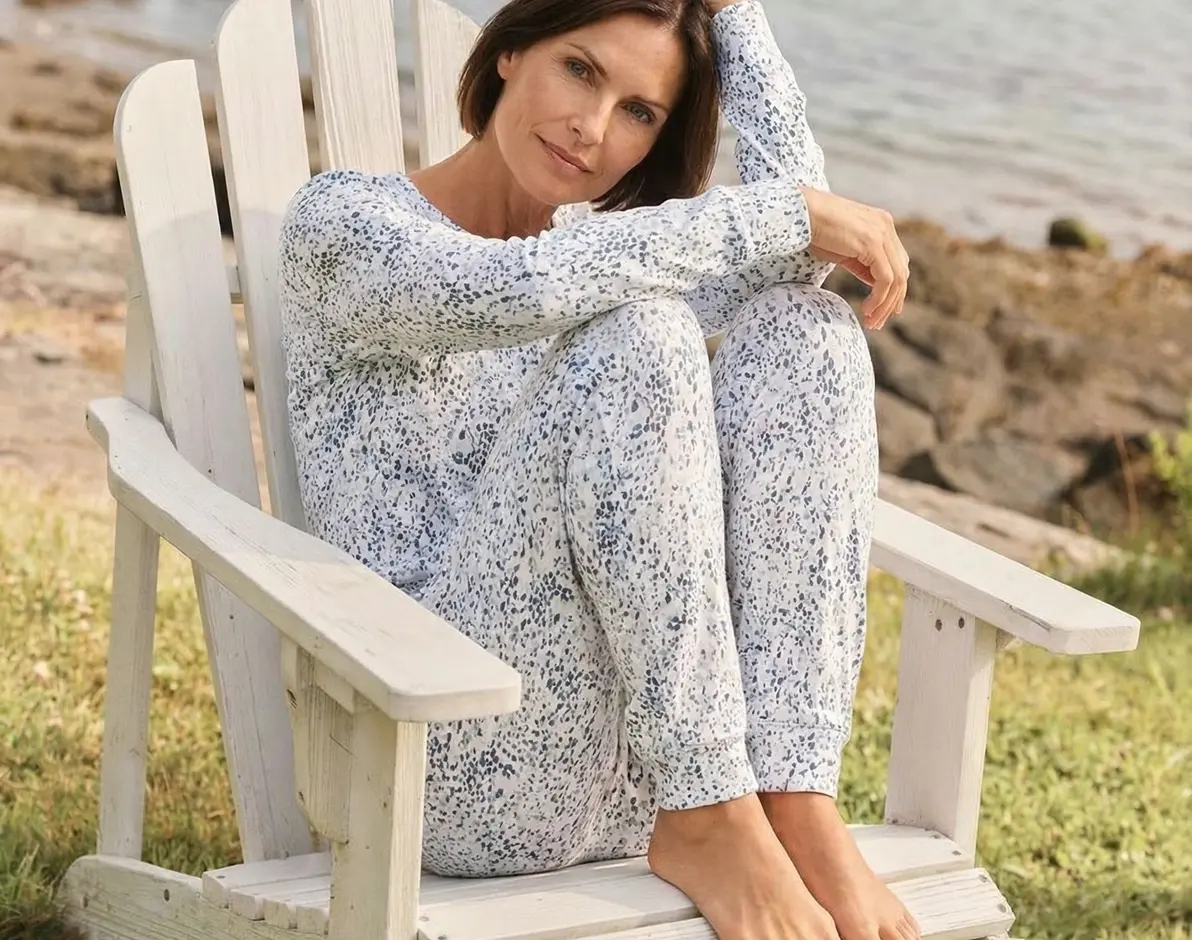
Twelve Twenty Eight is a fast-moving apparel company specialising in sleepwear, loungewear, and robes with textured fabrics and detailed prints. With wholesale accounts expecting fast image turnaround and dozens of SKUs that fluctuate in stock, speed and consistency in product imagery is critical to the business.
92%
Reduction in annual photography spend while increasing output.
4x
Faster time-to-catalogue from inventory to live listings.
92%
Reduction in annual photography spend while increasing output
4x
Faster time-to-catalogue from inventory to live listings
Summary
Twelve Twenty Eight, a boutique sleepwear and loungewear wholesaler in Miami, used to rely on traditional studio photoshoots and in-house ghost-mannequin photography — a workflow that cost them five figures annually and still left them with backlog, inconsistency, and slow turnaround.
After switching to Picjam, their annual imaging cost dropped by 92.68%, unlocking speed, creativity, and a level playing field against much larger competitors.
“Picjam has leveled the playing field between us and our bigger competitors.”
— Steven Walsh, Founder, Twelve Twenty Eight
The Problem
Expensive, slow, inconsistent — and impossible to scale.
Before Picjam, the brand relied on:
Expensive to Scale
Studio photoshoots cost ~$60 per garment.
Limited Shoot Frequency
Only 1–2 shoots per year due to budget
Resource-Heavy Workflow
In-house ghost mannequin photography and offshore editing.
This meant:
Missed SKUs
SKUs with only 4-5 units left were never photographed.
Growing Backlog
Large ongoing content backlog.
Texture Fidelity Issues
Texture details often lost.
Why Picjam
Steven tested several AI fashion tools and chose Picjam because it was the most focused, easiest to work with, and best matched the specific needs of apparel photography.
“We tried several programs, but Picjam was easiest to work with and fit our needs.”
And just as importantly:
“My productivity has just gone through the roof.”
The Impact
A 92% reduction in annual photography spend — while increasing output.
Previously, studio shoots and in-house photo workflows cost the company a five-figure annual amount.
Today, Twelve Twenty Eight’s total imagery cost is just 7.32% of the old approach — a 92.68% reduction.
“Sometimes photography captures details slightly better… but not enough to compel me to go back to a photoshoot.”
But the savings were only the start.
1. Output exploded
“We were so behind in images — I have been non-stop uploading products. The turnaround time is very fast.”
Picjam shifted the business from occasional shoots to continuous, on-demand content creation.
2. A level playing field against large brands
“Picjam has leveled the playing field between us and our bigger, more established competitors.”
With AI-generated model and lifestyle imagery, they can now match the visual sophistication of brands with far larger budgets.
3. Unlimited creativity
“The content we can now produce is only limited by our creativity.”
Lifestyle scenes, new poses, and custom looks can be created instantly — no studio required.
4. Wholesale customers love the new images
“Our wholesale customers are very happy with the images we are sending them.”
Better imagery increased sell-through and made communication easier.
Unexpected Wins
More realism than expected
“The realism of the models surprised us in a good way.”
Responsive support team
“I’ve emailed your team a couple times — they’re always responsive.”
A future-proof workflow
“If you don’t do it, you’re going to get left behind. I don’t want to be left behind.”
What’s Next for Twelve Twenty Eight
With higher-resolution texture models on the way, Steven plans to bring more categories — especially textured robes — into the Picjam pipeline. He is also experimenting with lifestyle scenes that were previously unattainable with traditional photography.
“I’m super happy I found Picjam — my productivity has gone through the roof.”
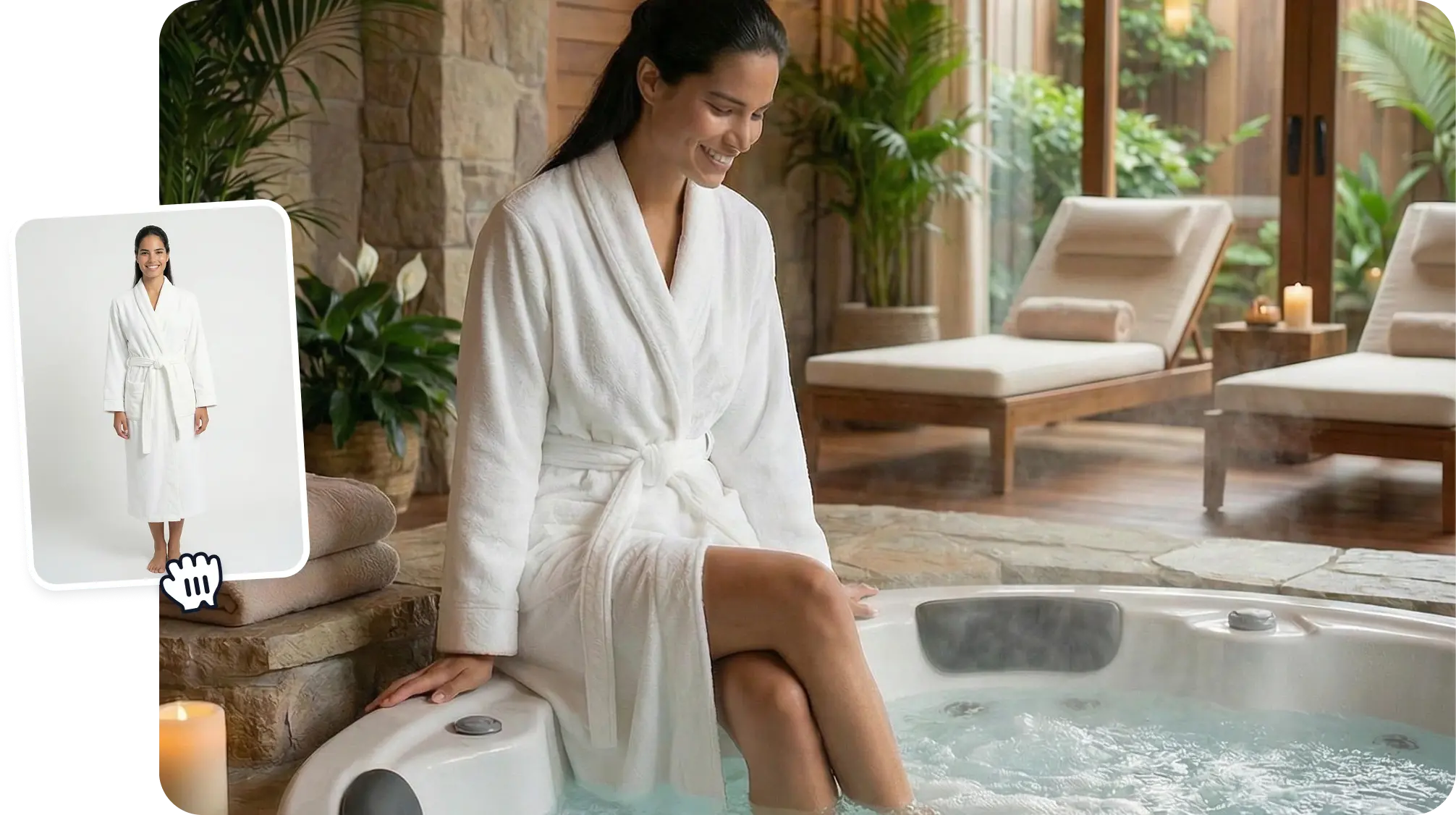
From Basic to Brand-Ready
Real results from real users — all generated in seconds with no setup, no styling, and no cost to start. Transform your images today.


.png)
.png)


