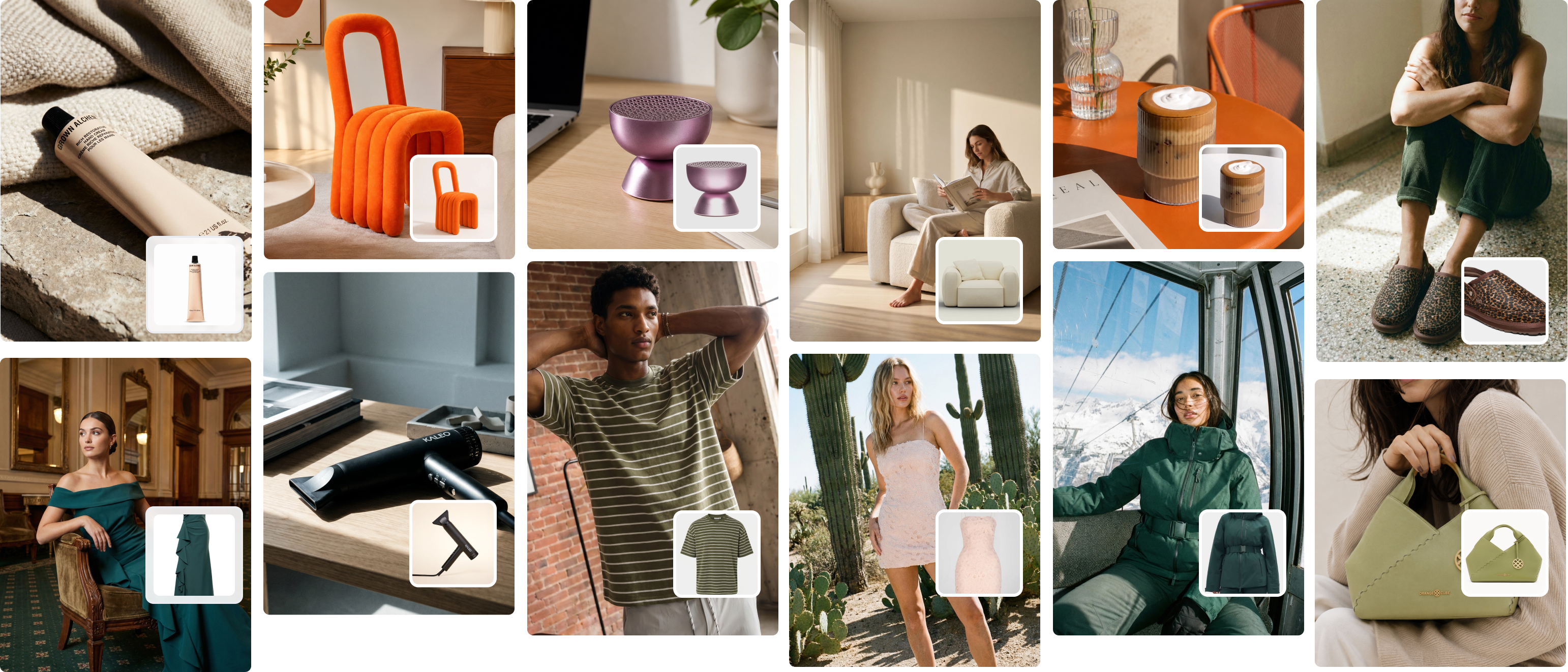
Product Photography Studio: The Ultimate Setup to Show Your Customers Stunning eCommerce Images
Discover the ideal product photography studio setup for eCommerce. From expert photography services to advanced photo studio tools, elevate your visuals today.
Imagine browsing an online store and stumbling across a product photo so perfect it feels like the item is already in your hands. That’s the magic of a great product photography studio—it takes an ordinary object and gives it a story, a personality, a reason for someone to say, "I need that." From expertly positioned lighting to every softbox and tripod working in harmony, these studios are where professional product photography meets creativity to create images that sell.
In this article, we’ll explore how a well-executed product photography setup can transform your business. You’ll discover how to position your product for maximum impact, why expert product photography is essential for success, and how tools like Adobe Lightroom and natural light play a role in achieving your desired look. Whether you’re capturing lifestyle shots to tell your brand story or snapping photos for eCommerce platforms, we’ll show you how every step—from lighting to post-processing—helps you stand out.
With years of experience helping businesses achieve excellent image quality, we at Picjam.ai understand the art and science behind photos that drive results. And if the traditional studio route isn’t an option, we’ll introduce you to modern alternatives that are cost-effective and easy to use. Let’s take your product photography to the next level.
What is a Product Photography Studio?
Picture this: a perfectly lit space, the gentle hum of equipment, and a product placed just so, ready to have its story told through a photograph. That’s the heart of a product photography studio. It’s not just about snapping pictures—it’s about creating moments that showcase the essence of your product, whether it’s on a white background or styled for lifestyle photos. A studio is where professional tools meet creative vision to deliver images that make customers stop scrolling and start buying.
Key Features of an Effective Studio
The best product photography studios have a few things in common, starting with exceptional lighting. Whether it’s natural light or a controlled studio setup, proper lighting can make or break your product images. A variety of backdrops is also crucial—think clean white backgrounds for eCommerce photography or textured settings for lifestyle shots. These options let brands tell their stories in ways that feel authentic and engaging.
Then there’s the equipment: high-end cameras capable of capturing every detail, photo editing software like Adobe Lightroom to refine the images, and even tools like softboxes for a balanced lighting setup. But even the best tools are only as good as the photographer wielding them. Expert product photographers bring the experience and creativity needed to transform your products into visuals that resonate with your audience. It’s not just photography—it’s storytelling.
Benefits of Using a Product Photography Studio
Great product photos don’t happen by accident. They’re the result of a carefully controlled process that combines expertise, equipment, and creativity. Here’s why professional studios remain a top choice for businesses aiming to produce the highest quality images for their online stores:
- Controlled Environment
Studios provide consistency. Lighting, temperature, and backdrops are meticulously managed to ensure every image meets the highest standard. Whether you’re aiming for a crisp white background or a styled product image, a controlled environment delivers results you can count on. - Professional Equipment
The tools matter. From premium cameras to advanced lighting setups like softboxes and light tents, studios are equipped to capture the smallest details of your product. Add in powerful post-production software like Lightroom, and the results are nothing short of stunning. - Creative Expertise
A great product photo isn’t just about the setup—it’s about the vision. Experienced product photographers understand how to use depth of field, shutter speed, and composition to highlight every angle of your product. Their skills turn ordinary images into compelling visuals that enhance your product pages. - Efficiency
For businesses with extensive catalogs, time is money. Studios are designed for streamlined workflows, allowing you to capture high-quality product photos efficiently. This means less time waiting for final edits and more time focusing on growing your brand.
Investing in a professional photography studio doesn’t just give you great photos—it sets your brand apart in an increasingly competitive eCommerce landscape.
Challenges of Traditional Product Photography Studios
As polished as traditional studios may seem, they come with their own set of challenges. These limitations often leave brands searching for alternatives that align better with their needs and budgets.
- High Costs
Renting a studio, hiring expert product photographers, and using professional-grade equipment can quickly add up. These costs often feel overwhelming, especially for small businesses looking to take more photos without breaking the bank. - Logistical Issues
Coordinating a photo shoot involves more than just showing up. From transporting products to scheduling with a photographer, the logistics can turn into a full-time job. These hurdles slow down the product photography process and create unnecessary stress. - Limited Flexibility
Traditional setups work well for planned shoots but struggle to accommodate last-minute changes. Whether you need updated product shots for a seasonal campaign or a quick refresh for your product pages, traditional studios can feel inflexible and outdated. - Time-Intensive
From setting up lighting to finalizing post-production edits, traditional studios often require more time than many businesses can afford. For eCommerce brands needing high-quality product photos fast, these delays are far from ideal.
These challenges highlight why businesses are increasingly exploring modern solutions. Digital-first platforms like Picjam.ai offer the quality of traditional photography without the hassle, giving brands the tools they need to create impactful images at a fraction of the cost and time.
Exploring Alternatives to In-Person Studios
As businesses grow, so do their photography needs. Traditional studios, while effective, can feel restrictive—both in terms of cost and flexibility. Thankfully, the evolution of AI technology is transforming the way brands approach product photography, offering a solution that’s not only efficient but also highly adaptable.
The Role of AI in Product Photography
AI has stepped into the spotlight as a game-changer in the photography world, particularly for eCommerce. Instead of coordinating physical spaces, products, and schedules, AI-powered tools offer virtual photo studio setups that eliminate the hassle of in-person shoots. These platforms create digital models, customizable backdrops, and even lighting effects that mimic studio-quality setups.
Imagine the freedom to generate product photos with perfect lighting and accurate camera settings without the logistical nightmare of transporting products or hiring a photographer. Virtual studios take this a step further by allowing businesses to fine-tune every element—from the position of the product to the texture of the background—all from a single interface. This flexibility opens new doors for creativity, enabling brands to produce stunning product photos that match their vision seamlessly.
Benefits of Virtual Photography for eCommerce
For eCommerce businesses, especially those on platforms like Shopify or Amazon, agility is everything. Virtual photography delivers in ways traditional setups simply can’t. First, it’s a cost-effective solution. Without the need for expensive studio rentals or equipment, businesses save significantly while still achieving high-quality images.
Scalability is another key advantage. Need to update your product catalog overnight? Virtual tools make it possible to create or edit visuals quickly, ensuring your listings remain fresh and relevant. This adaptability is particularly useful when showcasing seasonal collections or testing new product photography tips to see what resonates with your audience.
Finally, virtual studios allow for experimentation. Brands can test lifestyle photos to show a product in daily use or switch back to a clean white background without reshooting. This approach reduces time spent on multiple product shoots while ensuring every detail of your product shines in its best light.

How Picjam.ai Transforms the Product Photography Process
The challenges of traditional photography aren’t new, but Picjam.ai offers a modern alternative that makes the entire process easier, faster, and more accessible for businesses of all sizes. Here’s how we’re reimagining product photography:
- Virtual Models
Picjam.ai provides access to a diverse range of virtual models. You can customize skin tones, poses, and body types to reflect your brand’s unique identity. This feature allows you to create inclusive visuals that resonate with a wide audience without needing physical models. - Custom Backdrops and Styles
Say goodbye to lugging products around or setting up temporary shoots. With Picjam.ai, you can choose or design backdrops that perfectly align with your product’s aesthetic. Whether you’re aiming for a sleek studio lighting effect or a cozy lifestyle setup, our tools make it easy. - Advanced Editing Tools
Post-processing doesn’t have to be a bottleneck. Our platform includes tools for background removal, retouching, and color correction, streamlining the editing phase and ensuring every image looks polished. Programs like Adobe Photoshop are no longer a must-have because we handle it for you. - Cost-Effective Solution
Traditional photo studio costs can quickly escalate, from equipment rentals to hiring fees. Picjam.ai removes these expenses entirely, offering a transparent and affordable alternative without compromising on the quality of your photos.
By eliminating the logistical hurdles of traditional studios, Picjam.ai helps businesses create beautiful product photos that enhance their product pages and tell their brand story effectively.
Conclusion
Product photography may seem simple, but creating images that truly connect with your audience requires thoughtful planning, the right tools, and a touch of creativity. Whether you’re positioning your product under natural light, experimenting with a softbox, or setting up a camera on a tripod, every detail matters. Great photos don’t just happen—they are the result of experience, education, and a dedication to showcasing every angle and feature of the product you’re selling.
Behind every successful product photography service is a combination of skilled techniques and a clear understanding of what makes visuals impactful. From choosing the right light sources to using tools like Adobe Lightroom to organize and refine your work, it’s about making your products the hero of every shot. Simple touches, like a sheet of white paper to soften shadows or learning to optimize your setup, can make your photos stand out.
Creating product photos that truly connect with your audience goes beyond just aesthetics. It requires thoughtful planning, skilled techniques, and the right tools to bring your vision to life. While traditional setups are often time-consuming and costly, modern challenges call for innovative solutions that balance quality, efficiency, and budget.
That’s where Picjam.ai comes in. By leveraging cutting-edge AI technology, Picjam.ai reimagines product photography to give businesses the tools they need to create stunning, professional images—without the usual hurdles. Whether it’s reducing costs, simplifying logistics, or offering unmatched flexibility, Picjam.ai transforms the process from start to finish.
If you’re ready to save time, cut costs, and create photos that captivate your customers, explore Picjam.ai today. Discover a new era of product photography designed to help your business stand out in an increasingly competitive eCommerce landscape.

Michael Pirone
Co-Founder