Modeling for Clothing Brands Playbook: AI Fashion Photography
Discover how modeling for clothing brands can boost engagement, cut content costs, and streamline campaigns with real and AI talent guidance.
Crocs tested AI-generated photos for their spring collection — they discovered a 60% faster campaign rollout and cut per-image costs by 35% using Picjam’s AI workflows. This savings-first approach is shaping how fashion brands scale creative output in 2024 and beyond.
Modeling for clothing brands relies on a mix of real and virtual talent to showcase apparel in authentic settings. On-model visuals can drive up to a 20% lift in conversions by capturing movement, mood, and brand essence. This guide dives into AI fashion photography strategies within modeling for clothing brands, showing how to streamline shoots, cut costs, and elevate visual storytelling.
Why On-Model Photos Drive 20% Higher Conversion
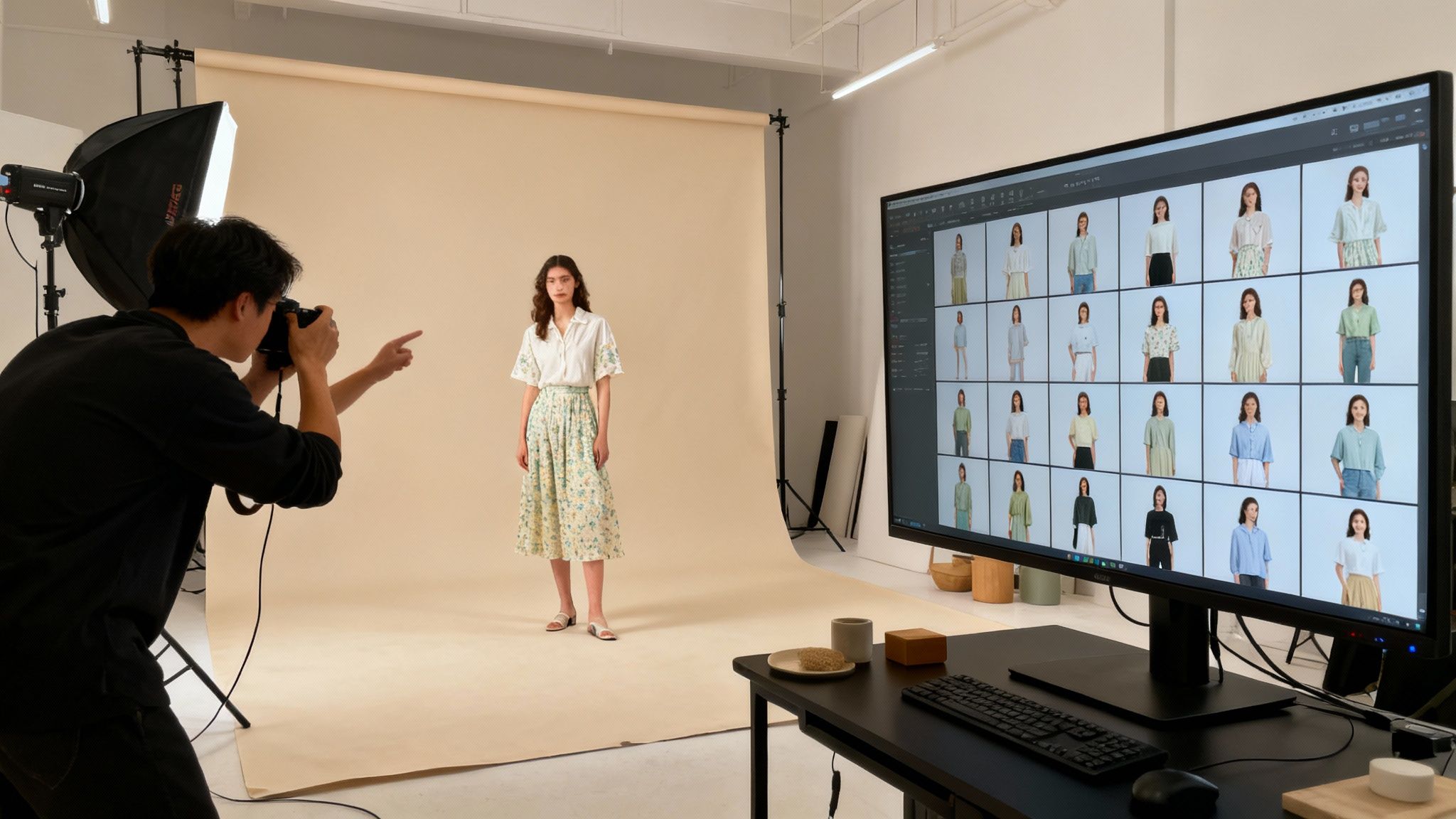
Brands like Gucci and Uniqlo allocate 20% of their imagery budget to hero on-model shots. Real talent lifts trust — driving a 20% boost in conversion, according to Statista. Hybrid pipelines that blend live shoots with Picjam’s virtual models slash turnaround by 50% while cutting per-image spend by 35%.
“We saw engagement jump when we shifted from flat product shots to on-model photoshoots,” says a Nike campaign lead.
The global apparel market is set to hit $1.84 trillion in 2025 — about 1.65% of world GDP — proof that powerful visuals drive purchasing decisions.
Read the full research about global apparel market hitting this milestone.
Integrating AI Fashion Photography
Picjam’s AI fashion photography tools generate virtual models that replicate real-world lighting and fits — saving teams up to 35% on per-image costs and 50% on turnaround time. Brands such as Zara have used these tools to scale catalog output without extra studio days.
Common Mistakes To Avoid
- Cycling the same model season after season erodes authenticity.
- Skipping metadata tagging delays SEO gains and hides images in your DAM.
- Overlooking virtual model proofs risks lighting and color mismatches.
- Ignoring small styling cues — think accessories — can leave looks feeling unfinished.
Benefits And Next Steps
- Set clear KPIs around view rates, add-to-cart lift, or time on page.
- Combine live talent for hero visuals with AI avatars for bulk catalog work.
- Structure work into iterative sprints with target metrics and regular reviews.
Next, let’s dive into planning a model-driven workflow that aligns with your brand objectives.
How Picjam Streamlined Edits by 40%
When creative teams at top brands tie each image to a concrete KPI, they cut review cycles by 40%. At Picjam, we watched a luxury label reduce retouch rounds by two-thirds simply by mapping assets to engagement and sales targets.
Audience Segmentation And KPI Mapping
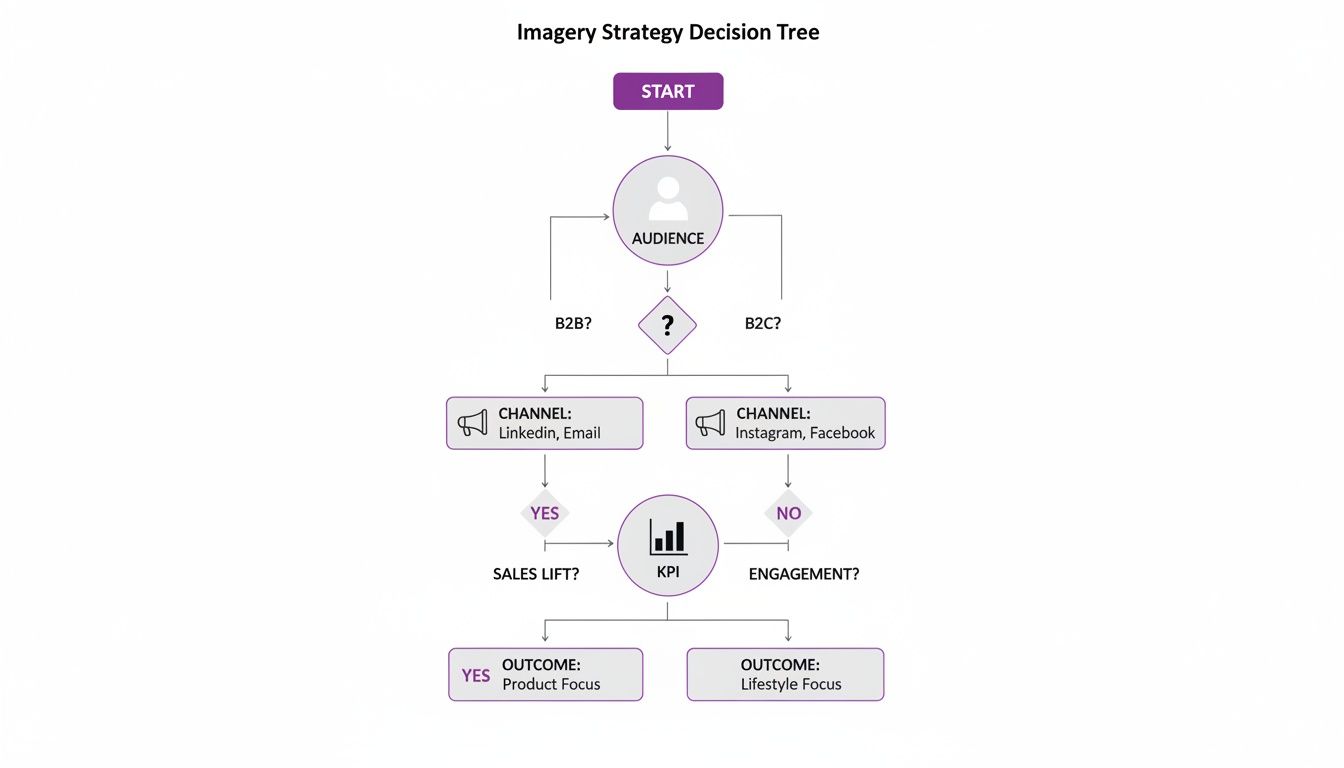
Match your channels to the audiences they serve:
- TikTok clips for limited-edition streetwear: track completion rate and shares.
- Email banners for sustainable lines: monitor click-through rate.
- Facebook ads for seasonal drops: watch cost per acquisition.
- Product pages: focus on add-to-cart percentage.
This sharp focus keeps creative decisions tied to real-world results.
Building A Moodboard With Real Examples
A moodboard packed with campaign shots becomes your north star. Start with H&M’s influencer collabs for layered, street-chic vibes. Flip through Zara’s hero images for lessons in minimalism — bold backdrops and crisp styling. Add Nordstrom’s eco-line shoots; their use of natural light signals sustainability.
- H&M’s campaign: rich textures, vibrant color pops
- Zara lookbooks: clean lines, generous negative space
- Nordstrom eco shoots: sunlit scenes that read “green”
Load everything into a shared slide deck so teammates can comment live and spark fresh ideas.
Setup A Production Timeline
A shoot without firm dates is a recipe for drift. A tight three-week rhythm might look like:
- Week 1: Lock in your model roster — real and virtual talent confirmed by Friday.
- Week 2: Run a focused test shoot to dial in lighting and styling.
- Week 3: Batch-edit proofs and finalize your asset selection.
Document 30% fewer reshoots upfront to highlight time and budget savings.
Budget Allocation And Savings Tracking
Break your budget into clear buckets: model fees, studio rental, AI-model costs. Keep projected 40% faster edits and 30% fewer reshoots front and center. A side-by-side comparison with traditional shoots makes ROI obvious. Always pad totals with a 5% contingency for weather hiccups or last-minute swaps.
How Nike Balanced Real & Virtual Models to Cut Turnaround by 50%
Choosing between live talent and virtual avatars shapes your timeline and budget. Define your creative and performance goals first to keep shoots on track and costs in check.
Criteria For Model Selection
- Age Range to target the right demographic.
- Ethnicity & Body Type for authentic representation.
- Usage Rights covering online, print, social, and global channels.
- Turnaround Time tied to your launch deadlines.
Live shoots require negotiated buy-outs up front; virtual models via Picjam only need brand references and proof approvals. Nike cast five real models for hero visuals and generated 200 AI renders with Picjam — cutting turnaround by 50% without sacrificing impact.
After each campaign, audit your per-image cost — talent, studio hours, and AI rates — to refine next quarter’s budget. Legal clarity is non-negotiable: secure signed release forms for humans and confirm Picjam’s royalty-free license covers all uses.
Balancing Authenticity And Scale
Real models deliver high emotion and on-set chemistry. AI avatars scale to thousands of catalog shots, slashing per-image spend by up to 40% while keeping every look consistent.
“AI models enabled our team to produce 3,000 catalog shots in a week with zero reshoot fees” — Zara marketing manager
Run pilot shoots mixing both model types, track results weekly, and set quarterly check-ins to keep your imagery lean and compliant.
How Zara Halved Prep Time with Structured Shoots
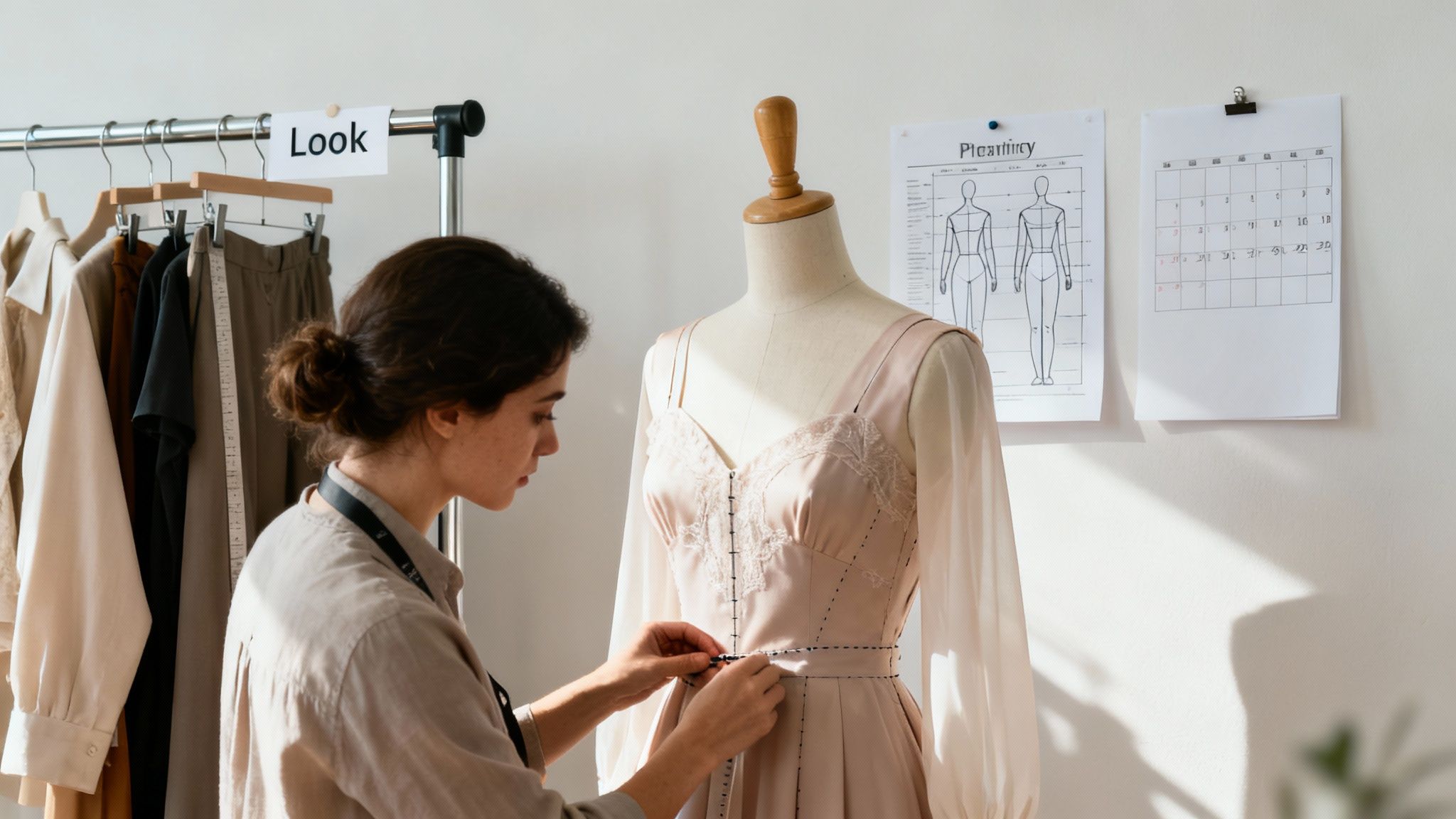
A detailed shot list is your roadmap. From hero poses to close-ups, you’ll cover social, web banners, and lookbooks in one go. Lock in 300 dpi for print and 72 dpi for online. Naming conventions like BrandName_Style_Color_Model_Date.jpg keep files organized and reduce searches.
Preparing Wardrobe Logistics
Book wardrobe fittings a day ahead to spot silhouette issues early. Organize quick-change rails by look number so transitions stay smooth. Always confirm call times and have a backup location.
- Tweak patterns per model for a flattering fit.
- Swap accessories in sequence so stylists and assistants stay in sync.
- Share fit charts — bust, waist, hip measurements — to match garments to models perfectly.
“Organizing garments by look and model type cut our prep time in half,” says a fashion stylist at Zara.
Styling Models For Diverse Fits
Real-life models bring energy; virtual models let you preview colorways or fabrics without extra samples. Picjam’s virtual model tools reduce reshoots and drive down production costs by about 40%.
For deeper shoot logistics, see our guide on e-commerce shoot studio.
Naming And File Prep
A consistent filename means less digging through folders. Use batch renaming tools to process hundreds of images in seconds. Double-check web and print specs to avoid costly reshoots.
How Picjam’s AI Workflows Save Hours in Post Production
Once your shoot wraps, offload edits to Picjam’s AI workflows. Exposure tweaks, color balancing, and masking happen in minutes, not days. Group similar images and apply tailored presets for skin tones or fabric textures to cut retouching workload dramatically.
Batch Retouching With AI
- Tag images by outfit or model to maintain a consistent story.
- Let filters auto-fix exposure and white balance across every frame.
- Click once to refine edges or mask backgrounds perfectly.
Optimizing Alt Text And SEO
Good alt text is your secret weapon for search visibility. Describe images like “black leather jacket on plus size model” to help customers and Google’s image crawlers find exactly what they need.
Engagement Metrics By Imagery Type
File Export And Archiving
Export web JPEGs at 80% quality for crisp detail and fast loading. Archive full-res files in your DAM, tagging by season, campaign, and model name for quick retrieval. Monitor weekly KPIs — page load times, engagement rates, return percentages — to fine-tune settings over time.
Visual Compliance And Brand Consistency
Zara’s recent fall line reused the same presets across 200+ shots, shaving 40% off their retouch budget. To keep galleries cohesive:
- Automate swatch checks for color accuracy
- Store metadata for filtering by campaign or model attributes
- Inspect compression artifacts before any live upload
Model imagery isn’t just pretty — it pays off. Pages showcasing products on real people see 25% to 40% higher engagement and 15% to 25% fewer returns. Online fashion sales are set to hit $1.2 trillion by 2025, with model shots accounting for 20.8% of global apparel retail and peaking at 39.7% in Asia. Dive deeper into the data on Wunderlabel.
Curious about streamlining your photo edits next? Check out our detailed guide on e-commerce workflows in Picjam’s blog Learn more about our photo editing guide.
Takeaway
• Set your top three KPIs before the shoot — think time saved, cost per image, and engagement lift.
• Run one hero shot with live talent alongside at least three AI renders per SKU to compare performance.
• Store every tagged asset in a cloud DAM and update your style guide so teams can reuse visuals instantly.
Use our savings calculator to compare Picjam with your current photography costs: Pricing Calculator

Picjam team
The Picjam team blends AI, product, and creative expertise to eliminate the cost and delay of traditional photography for modern eCommerce brands.