Props for Photography Ideas: 10 Concepts to Elevate Your Brand Imagery
Explore props for photography ideas that elevate your visuals with 8 fresh concepts you can use in 2025 campaigns.
When Jacquemus staged its viral "Le Chouchou" campaign at the Palace of Versailles, the props — from cherries to rowboats — were central to the story. This illustrates a key shift: props are no longer afterthoughts but strategic assets that build narrative and drive engagement.
However, sourcing and styling physical props adds significant time and cost. For fashion brands looking to scale content, this process is a major bottleneck.
This guide unpacks 10 timeless props for photography ideas that can transform your imagery. We will explore everything from vintage suitcases to atmospheric fog, providing actionable insights for each concept.
We’ll also show how AI tools like Picjam generate these elements virtually, saving brands thousands in production costs — a key reason a 2023 McKinsey report notes generative AI could add up to $275 billion to the apparel and luxury sectors.
1. How Vintage Props Create Instant Narrative
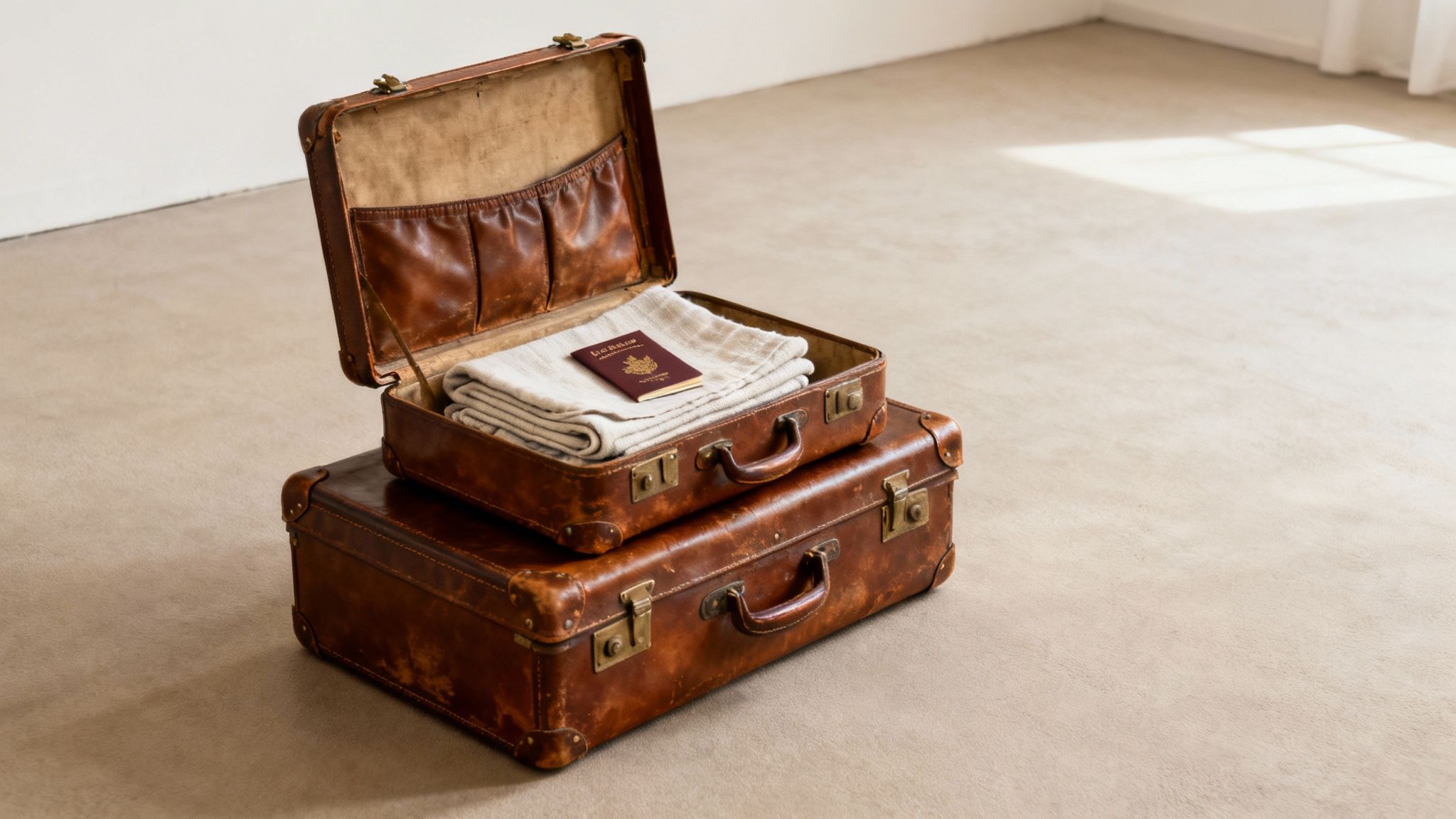
Among the most versatile props for photography ideas, vintage suitcases and trunks introduce an immediate sense of nostalgic charm. These items are powerful storytelling tools, capable of evoking themes of travel, heritage, and adventure.
For fashion brands, this creates a compelling backdrop that frames apparel as part of a larger, aspirational lifestyle.
A classic leather suitcase can suggest a spontaneous getaway for a casual wear brand, while an ornate steamer trunk can reinforce the timeless luxury of a heritage label like Louis Vuitton.
The texture of worn leather or the patina on brass hardware adds a layer of authenticity that modern props often lack.
Why It Works & Implementation Tips
The appeal of vintage luggage lies in its ability to ground a scene. Instead of a model simply wearing an outfit, they are now a character on a journey.
This prop is a favorite in fashion editorials seen in Vogue and a staple for lifestyle content creators aiming for a sophisticated aesthetic.
Key Insight: Sourcing vintage trunks is time-consuming. Digital prop tools like Picjam allow brands to generate photorealistic vintage luggage in seconds. This enables rapid A/B testing of various styles — from a rustic train case to a grand travel trunk — cutting prop budgets by an average of 40–60% per shoot.
Actionable Tips:
- Stack for Dimension: Use a mix of sizes and styles, stacking them to create a dynamic platform for products or a point of interest for models.
- Tell a Story: Stage a suitcase open, artfully revealing items that align with your brand story, such as maps, books, or fabric swatches.
- Anchor the Composition: Place the trunk according to the rule of thirds to act as a visual anchor that balances the composition.
2. Using Fabric Backdrops to Control Mood and Focus
Fabric and textured backdrops are foundational props for photography ideas, offering unparalleled control over mood, color, and focus.
From flowing silks to raw linen, these materials can instantly transform a sterile space into a scene rich with emotion.
They are essential for isolating a subject, adding a sophisticated color palette, and enhancing the perceived quality of a product. For e-commerce brands, a simple muslin provides a clean look that keeps the focus on the product.
Meanwhile, luxury brands like Dior might use rich velvet to evoke opulence. To explore options, understanding choosing the right fabric upholstery can provide valuable insights.
Why It Works & Implementation Tips
The power of a fabric backdrop lies in its simplicity. It can add depth without distracting from the main subject.
This prop allows brands to create a consistent visual identity across different collections and platforms, reinforcing recognition and professionalism.
Explore more on how to select the perfect product photography backdrop.
Key Insight: Managing physical backdrops involves steaming and storage, adding time and cost. AI-powered tools like Picjam generate an infinite library of digital fabric backdrops, from seamless paper to crushed velvet. This allows brands to test hundreds of variations in minutes, reducing physical prop expenses.
Actionable Tips:
- Layer for Complexity: Drape multiple fabrics of complementary colors or textures over one another to create a custom background with more depth.
- Play with Light: Position your light source to graze the fabric from the side. This technique, known as raking light, will emphasize the material's texture.
- Create Motion: For lifestyle shoots, have an assistant gently wave a lightweight fabric like silk to create a sense of movement in the final image.
3. How Florals Add Organic Beauty and Sophistication
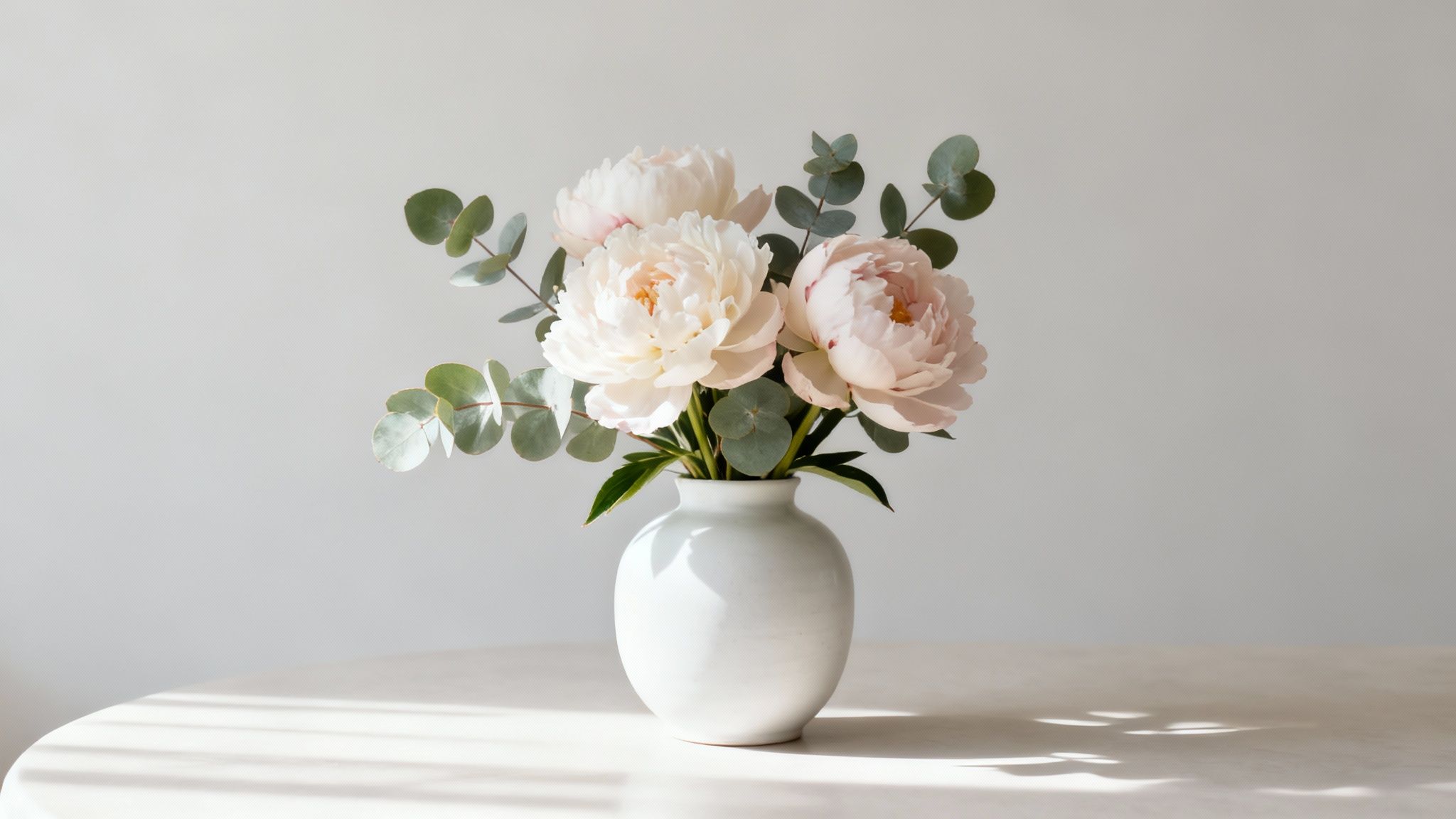
Few props for photography ideas offer the organic beauty of floral arrangements and greenery. Botanicals introduce color, texture, and life into a scene.
This adaptability makes them invaluable for a wide range of fashion aesthetics.
A single, elegant calla lily can complement the minimalist lines of a modern jewelry brand.
A lush bouquet can underscore the romantic narrative of a bridal collection by designers like Vera Wang. The organic shapes provide a dynamic contrast to both models and products.
Why It Works & Implementation Tips
The power of florals lies in their ability to add natural sophistication and emotional resonance.
A scene with flowers feels more alive and intentional, a technique frequently used in high-fashion editorials by photographers like Tyler Mitchell.
They can soften industrial settings or enhance the beauty of natural landscapes.
Key Insight: The cost of sourcing fresh flowers for every shoot can be prohibitive. Digital prop platforms like Picjam allow for the instant generation of any floral arrangement imaginable. Brands can test dozens of botanical themes in minutes without the expense or waste of real flowers.
Actionable Tips:
- Frame the Subject: Use tall plants or hanging vines to create a natural frame around your model or product, drawing the viewer's eye.
- Layer for Depth: Combine different types of greenery and flowers with varying heights and textures to build a visually complex backdrop.
- Mind the Color Story: Select botanicals whose colors complement or purposefully contrast with the apparel to create a harmonious composition.
4. Elevating Brand Intellect with Literary Props
Vintage books are powerful tools for building a specific mood, conveying intelligence, tradition, and a cozy, artistic atmosphere.
They act as thematic anchors, perfect for creating visual narratives around knowledge, heritage, and storytelling.
For fashion brands, this creates an intellectual or nostalgic context that elevates the perceived value of the product.
A stack of antique, leather-bound books can add a scholarly elegance to a tweed blazer from a brand like Ralph Lauren. The textures of aged paper and gilded spines provide rich visual detail.
Why It Works & Implementation Tips
The power of literary props for photography ideas lies in their ability to instantly suggest a persona or lifestyle.
A model interacting with a book isn't just posing; they are a thinker, a dreamer, or a creator.
This technique is frequently used by "Bookstagram" influencers who have mastered the cozy, intellectual aesthetic.
Key Insight: Sourcing the right collection of vintage books is difficult and expensive. Digital prop solutions like Picjam allow stylists to generate photorealistic stacks of books in seconds. Brands can test different library looks without any physical sourcing, reducing prop budgets and setup time.
Actionable Tips:
- Create Dynamic Stacks: Arrange books in stacks of varying heights and angles. A slightly askew stack feels more natural and engaging.
- Focus on Details: Open a book to a page with compelling typography. Combine it with related items like reading glasses or a cup of tea to build a narrative.
- Coordinate Colors: Use the book covers and spines as part of your overall color palette, either complementing or contrasting with the model's outfit.
5. Using Reflections to Create Conceptual Art
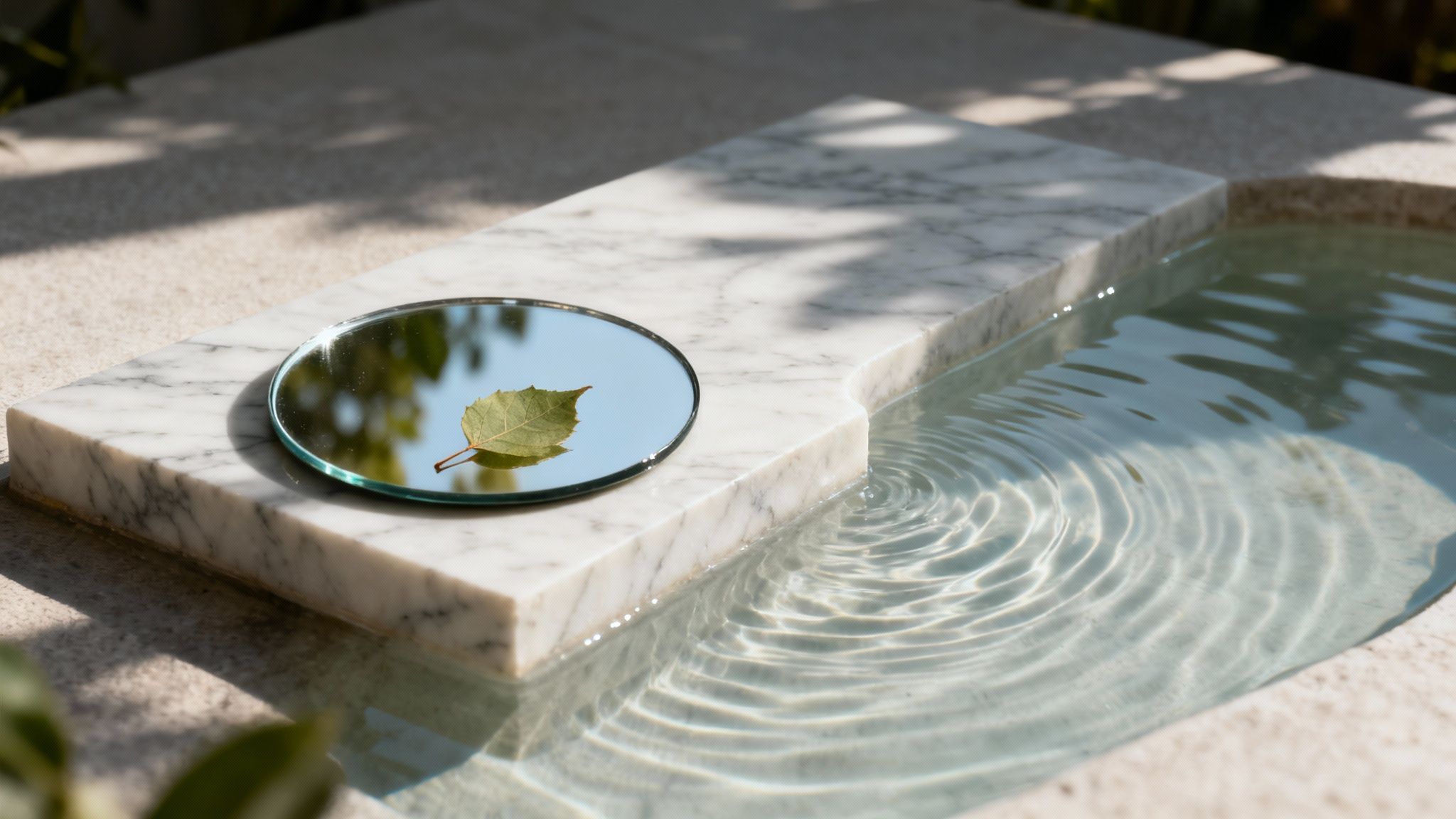
Mirrors and polished surfaces are transformative props for photography ideas that manipulate light and space to create mesmerizing visuals.
These reflective elements introduce depth, duality, and abstraction, turning a standard product shot into conceptual art.
This technique is perfect for fashion and beauty campaigns centered on themes of identity, self-reflection, or illusion.
Shooting a model's reflection in water can produce a dreamlike quality, often seen in high-fashion fragrance ads for brands like Chanel or Dior. The distortion and interplay of light create visual intrigue.
Why It Works & Implementation Tips
The power of reflections lies in their ability to add complexity and an artistic flair with minimal setup.
They break conventional rules of composition, inviting the viewer to look closer.
This method is frequently used in magazines such as Harper's Bazaar to build sophisticated, multi-layered visual stories.
Key Insight: Managing large panes of glass or creating perfect water surfaces on set is logistically challenging and expensive. Digital prop libraries in tools like Picjam eliminate these hurdles. Brands can instantly generate scenes with flawless reflective floors or serene water features without the cost or risk of a physical setup.
Actionable Tips:
- Angle for Effect: Position mirrors at a 45-degree angle to the subject to capture compelling, non-direct reflections that add a sense of mystery.
- Control the Glare: Use a polarizing filter to manage the intensity of reflections. To learn more, see our guide on the best camera for product photography.
- Create Abstract Patterns: Combine multiple small mirrors to create a fragmented, kaleidoscope-like effect for avant-garde beauty or accessory shots.
6. How Textured Surfaces Add Authenticity
Sometimes the most effective props for photography ideas are not objects at all, but the environments they inhabit.
Textured surfaces like exposed brick walls or weathered wooden planks serve as dynamic backdrops that add depth and character.
These elements ground the subject in a tangible reality, telling a story through their imperfections and history.
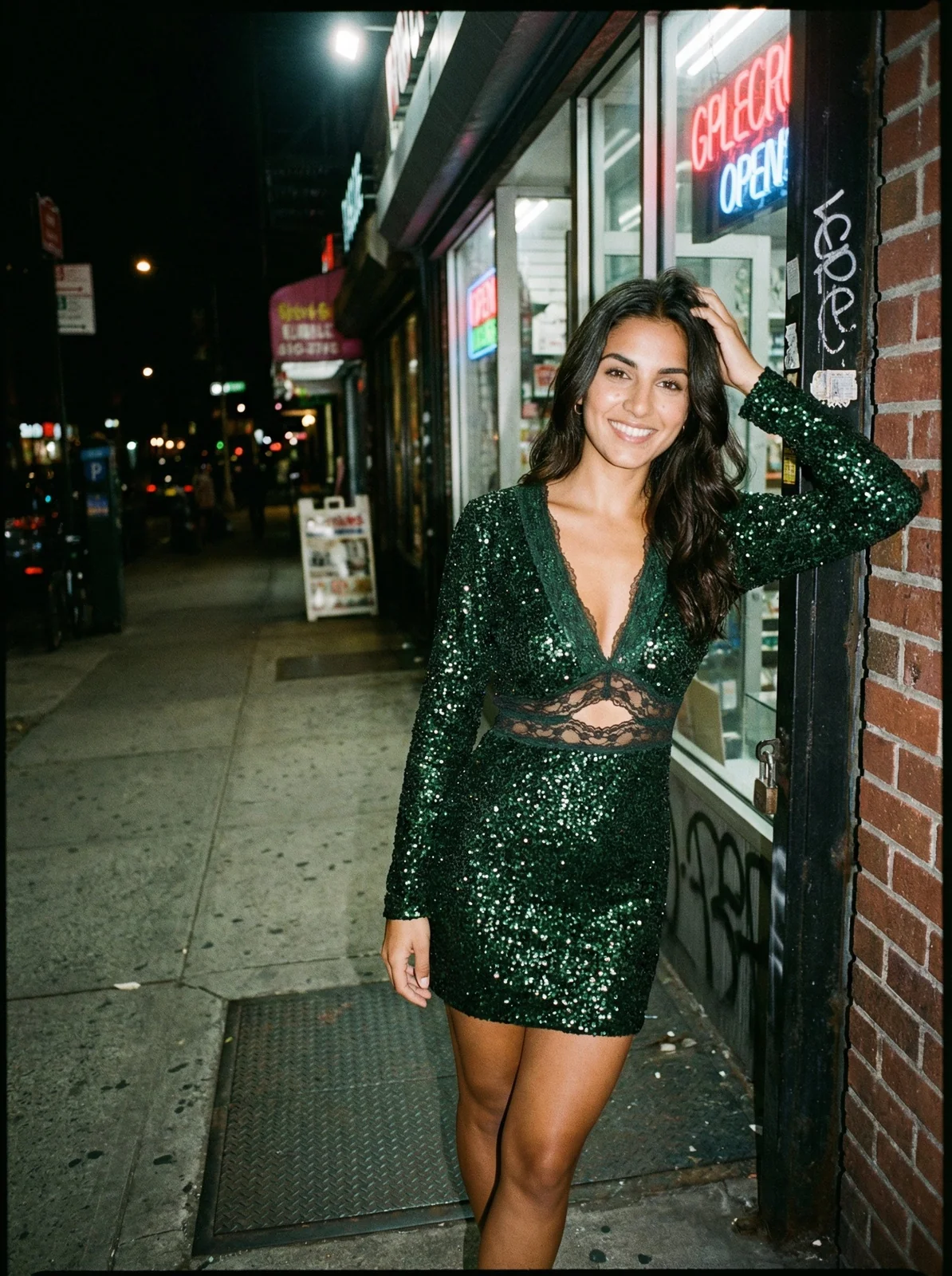
For an urban brand like AllSaints, shooting against a gritty industrial wall reinforces its edgy aesthetic. The raw texture provides a compelling visual counterpoint to a garment, creating a richer composition.
Why It Works & Implementation Tips
The power of textured backgrounds lies in their ability to inject mood and context effortlessly.
They are a staple for street style photographers and fashion lookbooks to add real-world grit and sophistication.
A simple, well-chosen surface can elevate a standard product photo into compelling brand storytelling.
Key Insight: Location scouting for the perfect textured wall is time-consuming. With digital platforms like Picjam, brands can instantly place models against photorealistic backgrounds, from a sun-drenched stucco wall to a moody concrete surface. This allows for limitless creative exploration without the cost of location shoots, often reducing production budgets by 50% or more.
Actionable Tips:
- Pair Textures: Match the texture to your product. Pair soft fabrics with rough surfaces like brick for a striking contrast.
- Manipulate Light: The low angle of golden hour light can graze across a surface, exaggerating its texture and creating dramatic shadows.
- Use Selective Focus: Use a shallow depth of field (low f-stop) to gently blur the background. This keeps the texture present for context but ensures the subject remains the focus.
7. Creating Cinematic Moods with Atmospheric Effects
For brands looking to add mystery or drama, atmospheric props for photography ideas like smoke and fog are unmatched.
These elements transform an ordinary scene into something cinematic and emotionally charged.
They add depth, texture, and movement, creating a dynamic environment that instantly captivates the viewer.
A fine-art bridal brand could use soft, rolling fog to evoke a dreamlike, timeless quality. In contrast, a streetwear label might use vibrant, colored smoke to create an energetic, urban vibe.
Why It Works & Implementation Tips
The appeal of atmospheric effects lies in their ability to manipulate light and create a tangible mood.
Fog and smoke catch and diffuse light beautifully, softening harsh shadows and creating glowing highlights that make a subject pop.
This is why music video directors frequently use these props to build a powerful visual narrative.
Key Insight: The logistics of using physical smoke and fog are complex and involve safety risks. AI-powered tools like Picjam can digitally generate photorealistic fog, mist, and colored smoke. This gives brands complete control over the effect, enabling them to test dramatic versus subtle looks without any on-set hazards or costs.
Actionable Tips:
- Safety First: When using physical props like smoke bombs, always check local regulations and shoot in well-ventilated outdoor areas.
- Backlight for Drama: Position your light source behind the smoke or fog. This will make the atmospheric effect glow and stand out dramatically.
- Capture Movement: Use a fast shutter speed (e.g., 1/250s or higher) to freeze the intricate swirls and billows of the smoke.
8. Using Lighting Elements for Visual Drama
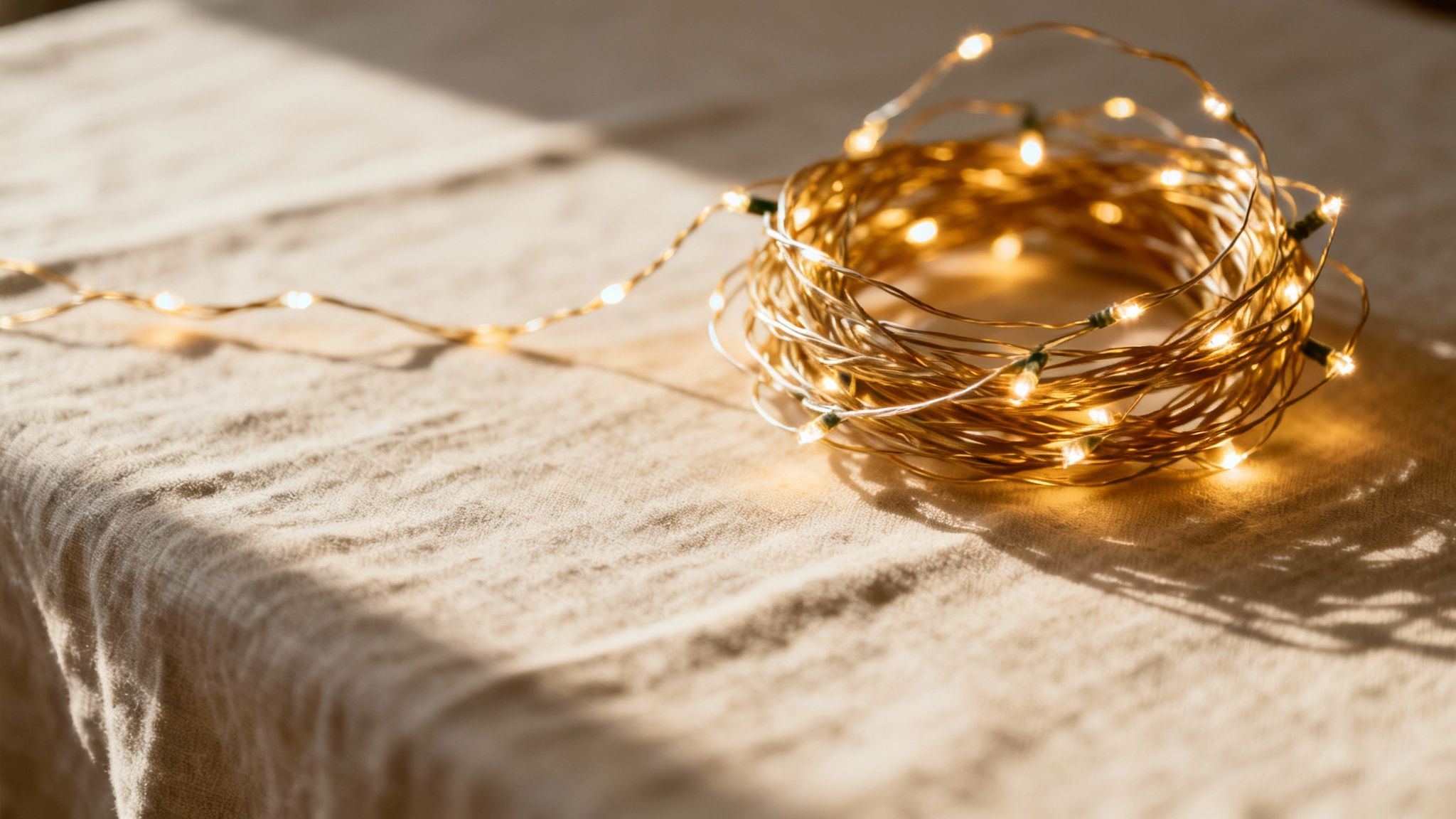
Props with lighting elements — from delicate fairy lights to bold neon signs — are transformative tools for injecting mood and drama.
These props for photography ideas are effective because they actively shape the light, creating ambiance that can range from intimate to edgy.
For a lingerie brand, a soft halo of string lights can create a cozy, intimate feel.
In contrast, a modern streetwear label like Kith could use a custom neon sign to cast a vibrant, urban glow, reinforcing a contemporary aesthetic.
Why It Works & Implementation Tips
The power of illuminated props lies in their ability to create a specific atmosphere instantly.
They are a favorite for holiday campaigns and lifestyle content creators seeking to craft a signature look.
The interplay of light and shadow adds depth that can make a standard shot feel like a high-end editorial spread. Learn more in our guide to essential equipment for studio photography.
Key Insight: Securing custom neon signs or managing complex lighting props is costly. AI platforms like Picjam allow brands to seamlessly integrate photorealistic lighting elements, from warm string lights to custom-branded neon. This enables brands to test dozens of lighting concepts in minutes without the expense of physical prop rentals.
Actionable Tips:
- Create Bokeh Effects: Position fairy lights in the foreground or background and use a wide aperture (e.g., f/1.8) to create soft, out-of-focus orbs of light.
- Balance Color Temperature: Adjust your camera's white balance to match the temperature of the lights to ensure natural-looking skin tones.
- Use as a Key Light: Position a neon sign to one side of the model to serve as the primary light source, creating stylized shadows and highlights.
9. How Food Props Add a Sensory Layer
Beyond their culinary function, food and beverage props introduce a rich sensory layer to photography, evoking feelings of comfort or celebration.
These props are essential for storytelling, grounding a scene in a relatable moment, from a morning coffee to an elegant dinner party.
A wellness brand can use a green smoothie to reinforce a message of health, while a knitwear label might feature a steaming cup of tea to suggest cozy indulgence.
High-end brands like Gucci have used banquet scenes in campaigns like their "Gucci Gift" series to create an atmosphere of opulent celebration.
Why It Works & Implementation Tips
The power of food and beverage props lies in their ability to make a scene feel lived-in and immediate.
They instantly transform a static product shot into a dynamic narrative slice of life.
This technique is a staple for lifestyle influencers who create authentic, engaging content that connects with audiences on a personal level.
Key Insight: Sourcing and styling fresh food for a shoot is a meticulous and costly process. With digital prop tools like Picjam, brands can generate photorealistic food and beverage items instantly. This allows for endless creative exploration without the waste, food stylist fees, or time constraints of a real culinary setup.
Actionable Tips:
- Pair Contextually: Match the food or drink to the brand's identity. A rustic loaf of bread complements a linen brand, while an espresso machine suits a modern apparel line.
- Create a Moment: Don’t just place the food; create an action. A half-eaten pastry or a hand reaching for a glass of wine tells a story.
- Add Color and Texture: Use food to add a pop of color or contrasting texture. The vibrant red of strawberries can serve as a powerful compositional element.
10. Telling Personal Stories with Meaningful Items
Few props for photography ideas offer the authenticity of personal items. Incorporating objects meaningful to the subject transforms a standard portrait into a rich, personal narrative.
This technique is especially powerful for building a relatable and authentic brand identity.
A lifestyle brand like Patagonia might feature a model with their own worn-in hiking gear, reinforcing the brand's values of adventure and longevity.
These props add a layer of genuine storytelling that manufactured sets often struggle to replicate.
Why It Works & Implementation Tips
This approach works because it grounds the image in reality and reveals the subject's personality, creating an immediate emotional connection.
It is a favored technique among editorial photographers like Annie Leibovitz, who often use personal items to tell a deeper story about her subjects.
For brands, this translates into content that feels less like an advertisement and more like an intimate glimpse into a lifestyle.
Key Insight: While physical heirlooms are irreplaceable, their digital counterparts can be crafted for brand campaigns. Using a tool like Picjam, a brand can generate a photorealistic vintage camera or a specific book to place in a "founder's portrait" scene, evoking history and passion without needing the actual item.
Actionable Tips:
- Consult in Advance: Before the shoot, ask the subject about items that hold personal significance to them to ensure the image is authentic.
- Balance the Composition: Position the prop so it complements the subject without dominating the frame. The focus should remain on the person.
- Shoot Variations: Capture shots both with and without the personal items to provide more options for different marketing uses.
Takeaway
The right prop doesn't just decorate a scene — it communicates a brand’s ethos, enhances product features, and captures audience attention. However, the traditional process of sourcing, styling, and shooting with physical props is expensive and logistically complex.
This is where integrating virtual props becomes a game-changer. By embracing a hybrid model, brands can dramatically increase their content output, test more creative concepts, and allocate resources more efficiently. It empowers creative directors to experiment without risk, transforming a simple product image into a powerful narrative tool.
Audit Your Prop Costs: Review your last 3 photoshoots. Tally every expense associated with props — purchase fees, stylist hours, transportation, and storage — to establish a clear baseline for potential savings.
Pilot a Virtual Concept: Select one of your existing product photos on a clean background. Use an AI tool to test 3 prop concepts you couldn't justify before, like placing a winter coat in a snowy landscape or setting a summer dress against exotic flowers.
A/B Test Your AI Creative: Generate a compelling, AI-enhanced image using a virtual prop. Run this new visual as a paid ad, pitting it against a top-performing image from a traditional shoot to gather objective data on performance.
Ready to unlock limitless creative possibilities while reducing your content production costs? Compare your current photography expenses with Picjam's potential savings using our savings calculator.

Picjam team
The Picjam team blends AI, product, and creative expertise to eliminate the cost and delay of traditional photography for modern eCommerce brands.