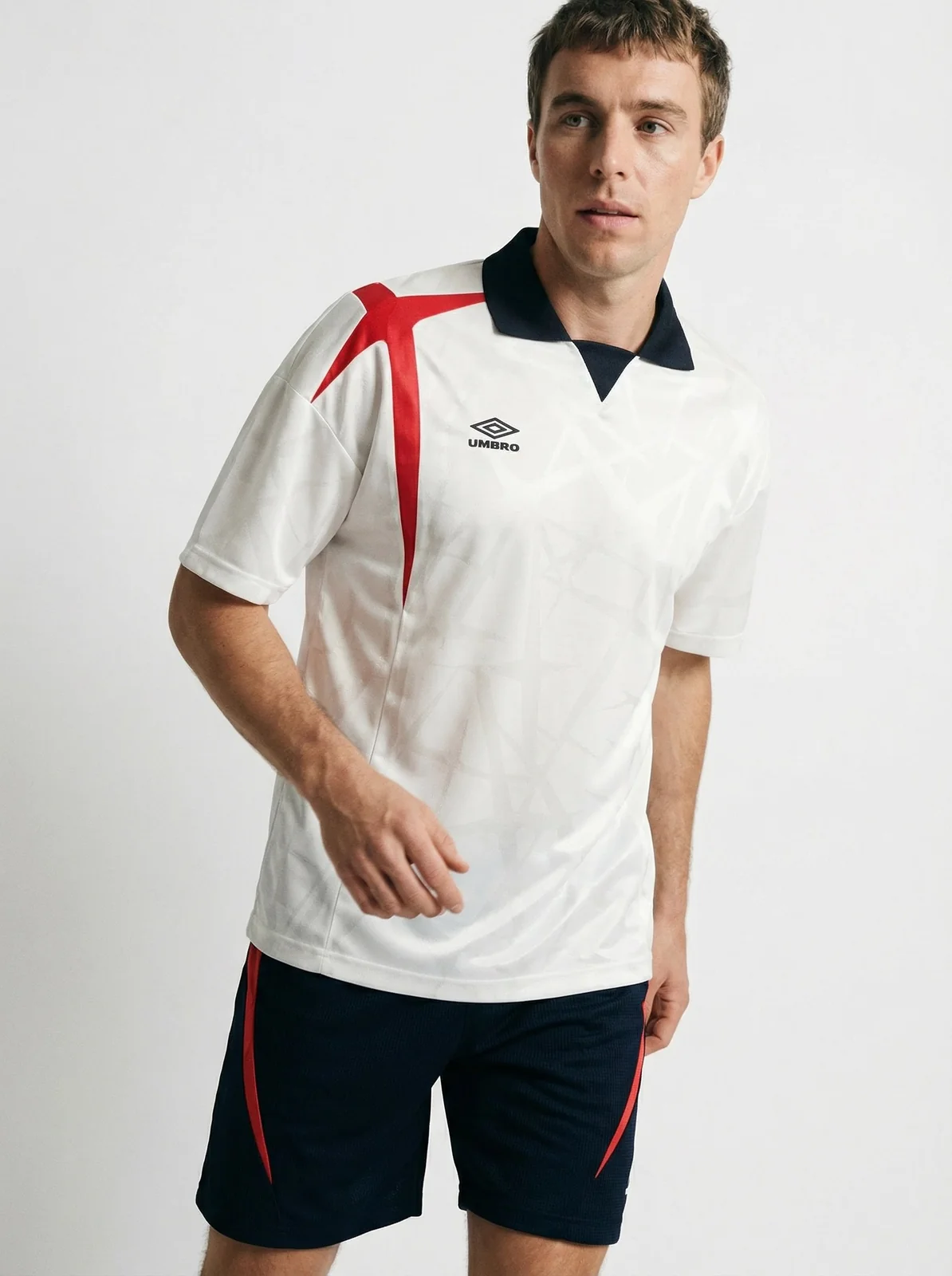
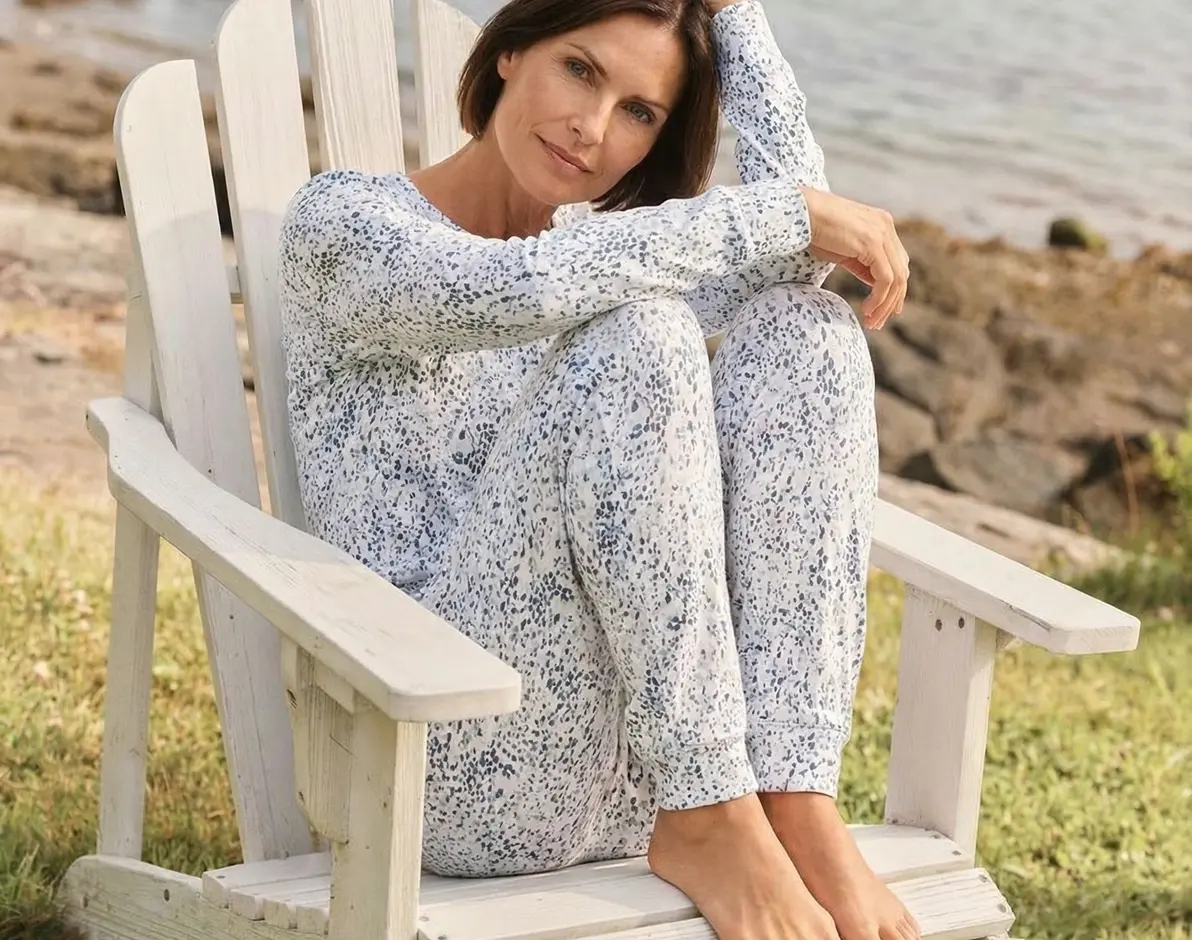
Discover how an AI fashion model generator creates stunning, diverse visuals in minutes, helping brands cut costs and accelerate campaign launches.
Lorem ipsum dolor sit amet, consectetur adipiscing elit lobortis arcu enim urna adipiscing praesent velit viverra sit semper lorem eu cursus vel hendrerit elementum morbi curabitur etiam nibh justo, lorem aliquet donec sed sit mi dignissim at ante massa mattis.
Vitae congue eu consequat ac felis placerat vestibulum lectus mauris ultrices cursus sit amet dictum sit amet justo donec enim diam porttitor lacus luctus accumsan tortor posuere praesent tristique magna sit amet purus gravida quis blandit turpis.

At risus viverra adipiscing at in tellus integer feugiat nisl pretium fusce id velit ut tortor sagittis orci a scelerisque purus semper eget at lectus urna duis convallis. porta nibh venenatis cras sed felis eget neque laoreet suspendisse interdum consectetur libero id faucibus nisl donec pretium vulputate sapien nec sagittis aliquam nunc lobortis mattis aliquam faucibus purus in.
Nisi quis eleifend quam adipiscing vitae aliquet bibendum enim facilisis gravida neque. Velit euismod in pellentesque massa placerat volutpat lacus laoreet non curabitur gravida odio aenean sed adipiscing diam donec adipiscing tristique risus. amet est placerat imperdiet sed euismod nisi.
“Nisi quis eleifend quam adipiscing vitae aliquet bibendum enim facilisis gravida neque velit euismod in pellentesque massa placerat”
Urna ut fermentum imperdiet lacus, elementum etiam maecenas libero nunc, suspendisse massa, nisl, elit curabitur feugiat in quis ut nibh enim in tristique aliquam sed vitae dui, dis adipiscing pharetra aliquam turpis turpis nibh rhoncus enim, pellentesque leo laoreet neque in sed bibendum fermentum suspendisse tempus non purus adipiscing suscipit fringilla adipiscing convallis dolor nulla fermentum facilisis ullamcorper ut vehicula tortor libero metus donec velit, tristique fermentum, dictum euismod diam scelerisque enim non pharetra tristique lectus habitant pharetra est id
When fast-fashion giant Zara began testing AI-generated models, they weren't just experimenting with technology — they were building a blueprint for a more agile, cost-effective content strategy. Instead of a $20,000 photoshoot taking 6 weeks, brands can now use an AI fashion model generator to produce hundreds of unique, on-model images in a single afternoon.
This isn’t a futuristic concept. For forward-thinking fashion brands, it's the new operational standard, creating a clear path to reduced costs and faster campaign rollouts.
This shift is about creating content smarter, a principle top-tier brands are embracing with AI-powered media for luxury content. An AI fashion model generator acts as an on-demand virtual photo studio, giving brands the power to create campaign-ready images without the logistical headaches of traditional photography.
This technology directly tackles the biggest pain points for e-commerce brands: high costs and slow production timelines. Platforms like Picjam streamline the entire process, making high-quality visual content accessible and affordable.
The impact is measurable. A McKinsey report highlights that hyper-personalization can boost revenues by 5-15%. AI models make this level of tailored content a financially viable reality for brands of any size.
With the right platform, your marketing team can generate an entire photoshoot with just one click.
No more juggling schedules for models, photographers, and stylists, or booking studio space. The process is collapsed into a far more efficient and flexible workflow.

This approach lets you move at the speed of the market, not a photoshoot. Let's compare the old way with the new.
Here’s how the two methods stack up when it comes to time, money, and creative control.
The difference is stark. The conversation shifts from managing logistics to making sharp, creative decisions that drive sales. It’s about being able to react, test, and refresh content for product pages, social media, and ad campaigns without blowing your budget.
Think of an AI fashion model generator as a virtual production pipeline, not just a photo filter. It takes a standard product photo and transforms it into a high-quality, on-model image ready for any campaign.
The process is refreshingly straightforward. A brand uploads a flat-lay or ghost mannequin photo of a garment. The AI then intelligently ‘drapes’ it onto a photorealistic virtual model.
This is a massive time-saver. It helps brands avoid the cost and hassle of organizing a traditional photoshoot for every single item, a strategy tested by industry leaders like Zara to diversify their online presence.

This result comes from complex algorithms, like generative adversarial networks (GANs) or diffusion models. These systems are trained on massive datasets of fashion photography, which teaches them to understand nuances like light, shadow, fabric texture, and human anatomy.
The AI doesn't just paste clothing onto a stock photo. It re-renders the entire scene from scratch to ensure the final image is cohesive and believable. Two key features are central to how platforms like Picjam operate:
This combination allows a brand to go from a simple shot of a t-shirt on a white background to a dynamic lifestyle image of a model wearing that t-shirt in a city setting — all in about a minute.
According to Vogue Business, 55% of Gen Z shoppers have made a purchase after seeing a product on a social media influencer. AI model generators let brands create that same influential, context-rich imagery at scale, without the high cost of influencer collaborations.
The workflow is built for speed and efficiency. It completely removes traditional production bottlenecks, turning a multi-week process into an afternoon task.
Here’s a look at how it works in practice:
This rapid workflow enables brands to test dozens of creative variations to see what resonates with their audience — a strategy once prohibitively expensive.
The single biggest reason brands switch to an AI fashion model generator is the massive drop in content production costs. Traditional photoshoots are a financial and logistical burden, with daily costs easily hitting $5,000 to $20,000.
That old model locks you into a rigid, expensive cycle. AI-powered platforms flip the script by eliminating nearly all variable costs. Suddenly, the price per image drops from hundreds of dollars to mere pennies, opening up new marketing possibilities.
Picture a global brand like Levi's launching a new denim line. The traditional approach would mean coordinating multiple costly shoots across different continents. The logistics alone are a nightmare.
With an AI fashion model generator, that entire process is condensed into a few clicks. The Levi's team could generate hundreds of on-model shots, showcasing their jeans on every imaginable body type, ethnicity, and age group — all without booking a single flight or studio.
The market is taking notice. According to Statista, the AI market is projected to reach nearly $2 trillion by 2030. Brands are jumping on board because the math is simple: traditional shoots cost a fortune, while AI brings that cost down dramatically.
While the savings are significant, the real competitive advantage comes from speed. What used to take weeks of planning and editing is now done in minutes. This acceleration changes everything.
As one marketing director at a DTC brand noted, “AI allows us to move at the speed of culture.” Instead of mapping out campaigns months in advance, their teams can create visuals that tap into current trends.
This new velocity directly fuels key business metrics:
The ability to produce AI clothing product photos on demand means marketing teams are no longer handcuffed to a small batch of images from one expensive shoot.
Beyond cost savings, the real game-changer with an AI fashion model generator is creative freedom. For decades, brands were boxed in by the practicalities of casting — who was available and what the budget allowed.
That era is over.
This technology tears down old barriers, giving brands the power to instantly generate models of any ethnicity, age, size, or body type. This isn't just a feel-good feature; it's a core business strategy for connecting with global audiences.
Think about a beauty giant like Sephora launching a new foundation line. In the past, showing that product on a wide range of skin tones meant coordinating dozens of separate photoshoots.
With an AI generator, Sephora’s team could create on-model images for 50 different skin tones in a single afternoon. This is the kind of personalization that drives conversions. Shoppers are far more likely to buy when they see products on models who look like them.
This isn't a niche trend. The AI-generated fashion market is projected to reach $2.91 billion by 2025, with brands pushing to personalize content for their global customer base. You can explore more detailed numbers in the AI-generated fashion market and its growth on Meticulous Research.
Creative scalability is the other half of this equation. An AI fashion model generator gives your marketing team an infinite canvas without the fear of expensive reshoots.
Imagine you just wrapped a big photoshoot. Traditionally, you’re stuck with those assets. Want to test a new background for a social ad? Too bad.
With AI, a single product photo becomes the source code for hundreds of creative assets. One jacket can be shown on 10 different models, in 5 distinct poses, against 20 unique backgrounds.
This transforms your content strategy from a static event into a dynamic process of testing and optimizing.
This is the creative agility that lets brands fine-tune their visual messaging with precision. You can dive deeper into finding the right look for your brand in our guide on sourcing models for photo shoots.
Weaving an AI fashion model generator into your operations is surprisingly simple. It's about adding a powerful tool to your existing creative process, not overhauling it.
More brands are making this move. The AI in fashion market is set to grow from $6.5 billion in 2023 to $33.2 billion by 2030, according to Grand View Research. The writing is on the wall: brands are adopting tools that make them more efficient.
A phased rollout lets you prove value at every step, minimizing risk while your team gets comfortable with the technology.
Here’s a simple 4-step plan to get started:
To prove ROI, you need to track the numbers tied to revenue and efficiency.
Keep a close eye on these core metrics:
Thinking about how AI fits into your larger strategy is crucial. It’s often discussed alongside other essential e-commerce website features for competitive advantage.
This infographic illustrates how AI streamlines the creative scaling process, from picking diverse models to testing ad variations.
This shows the shift from a slow, expensive process to a fast, flexible cycle where you can create, test, and optimize repeatedly.
You can dive deeper into this in our guide to AI product photography.
An AI fashion model generator is a practical tool for creating more engaging, inclusive, and cost-effective visuals. By integrating AI thoughtfully, you can create better content, connect more deeply with your audience, and build a more agile business.
Here are 3 actionable takeaways for your brand:
Reallocate Your Photoshoot Budget: The most immediate impact is financial. A $10,000 to $50,000 photoshoot budget can be almost entirely reallocated. Funnel that capital into performance marketing, product development, or customer experience to drive real growth.
Personalize Content for Global Markets: The ability to generate visuals for specific markets on demand is no longer a luxury. Instantly create content tailored to different regions and demographics. Launching a new line in Japan? Generate on-model images that resonate with that audience in minutes.
Start Small and Prove the ROI: Adopt new tech with a controlled experiment. Select 3–5 bestsellers, generate new on-model images, and run an A/B test on your product pages. Analyze the data on conversion rate and add-to-cart rate to prove the technology's effectiveness within your own ecosystem.
Curious to see what these savings could mean for your brand? Use our savings calculator to compare your current photography spend with the Picjam platform.
Jumping into new technology always raises questions. Here are the most common ones we hear from fashion marketers and e-commerce founders about using an AI fashion model generator.
Absolutely. The output from today's top-tier generators is often indistinguishable from professional photography. We're talking hyper-realistic images where fabrics drape naturally and lighting is perfect.
Major brands like Calvin Klein have already used AI models in campaigns, proving they are ready for the spotlight. For e-commerce, the goal is photorealism that builds customer trust.
This is a crucial point. Reputable AI platforms address this directly.
This design eliminates ongoing licensing fees and legal complexities, while also creating an opportunity to champion inclusive representation.
An AI fashion model generator is a creative suite you can tailor to your brand. Leading platforms offer extensive control to ensure images align with your look and feel.
You can typically:
If you start with a clear brand style guide, you can apply those rules directly to the generation process for a cohesive catalog.
The quality of your input directly shapes the quality of your output. For the best results, start with high-resolution, well-lit photos of your apparel on a plain, neutral background.
Pro Tip: Flat-lay photos or shots on a ghost mannequin are perfect. They give the AI a clear view of the garment's entire shape, texture, and detailing.
Avoid busy backgrounds or harsh shadows in your source images. The cleaner your input, the more polished the final on-model shot will be.
Ready to see how an AI fashion model generator could streamline your content production and cut costs?
Use the Picjam savings calculator to compare your brand's current photography costs and calculate your potential ROI today.
Pellentesque leo laoreet neque in sed bibendum fermentum suspendisse tempus non purus adipiscing suscipit fringilla adipiscing convallis dolor nulla fermentum facilisis ullamcorper ut vehicula tortor lib.