Tutorial
Dec 30, 2025

How an AI Model Generator Slashes Fashion E-commerce Costs

ai model generator unlocks affordable, fast fashion imagery; create stunning, high-converting product photos without costly shoots or long timelines.

How to start saving money

Lorem ipsum dolor sit amet, consectetur adipiscing elit lobortis arcu enim urna adipiscing praesent velit viverra sit semper lorem eu cursus vel hendrerit elementum morbi curabitur etiam nibh justo, lorem aliquet donec sed sit mi dignissim at ante massa mattis.

  1. Neque sodales ut etiam sit amet nisl purus non tellus orci ac auctor
  2. Adipiscing elit ut aliquam purus sit amet viverra suspendisse potent i
  3. Mauris commodo quis imperdiet massa tincidunt nunc pulvinar
  4. Adipiscing elit ut aliquam purus sit amet viverra suspendisse potenti

Why it is important to start saving

Vitae congue eu consequat ac felis placerat vestibulum lectus mauris ultrices cursus sit amet dictum sit amet justo donec enim diam porttitor lacus luctus accumsan tortor posuere praesent tristique magna sit amet purus gravida quis blandit turpis.

Mauris commodo quis imperdiet massa tincidunt nunc pulvinar

How much money should I save?

At risus viverra adipiscing at in tellus integer feugiat nisl pretium fusce id velit ut tortor sagittis orci a scelerisque purus semper eget at lectus urna duis convallis. porta nibh venenatis cras sed felis eget neque laoreet suspendisse interdum consectetur libero id faucibus nisl donec pretium vulputate sapien nec sagittis aliquam nunc lobortis mattis aliquam faucibus purus in.

  • Neque sodales ut etiam sit amet nisl purus non tellus orci ac auctor dolor sit amet
  • Adipiscing elit ut aliquam purus sit amet viverra suspendisse potenti
  • Mauris commodo quis imperdiet massa tincidunt nunc pulvinar
  • Adipiscing elit ut aliquam purus sit amet viverra suspendisse potenti
What percentage of my income should go to savings?

Nisi quis eleifend quam adipiscing vitae aliquet bibendum enim facilisis gravida neque. Velit euismod in pellentesque massa placerat volutpat lacus laoreet non curabitur gravida odio aenean sed adipiscing diam donec adipiscing tristique risus. amet est placerat imperdiet sed euismod nisi.

“Nisi quis eleifend quam adipiscing vitae aliquet bibendum enim facilisis gravida neque velit euismod in pellentesque massa placerat”
Do you have any comments? Share them with us on social media

Urna ut fermentum imperdiet lacus, elementum etiam maecenas libero nunc, suspendisse massa, nisl, elit curabitur feugiat in quis ut nibh enim in tristique aliquam sed vitae dui, dis adipiscing pharetra aliquam turpis turpis nibh rhoncus enim, pellentesque leo laoreet neque in sed bibendum fermentum suspendisse tempus non purus adipiscing suscipit fringilla adipiscing convallis dolor nulla fermentum facilisis ullamcorper ut vehicula tortor libero metus donec velit, tristique fermentum, dictum euismod diam scelerisque enim non pharetra tristique lectus habitant pharetra est id

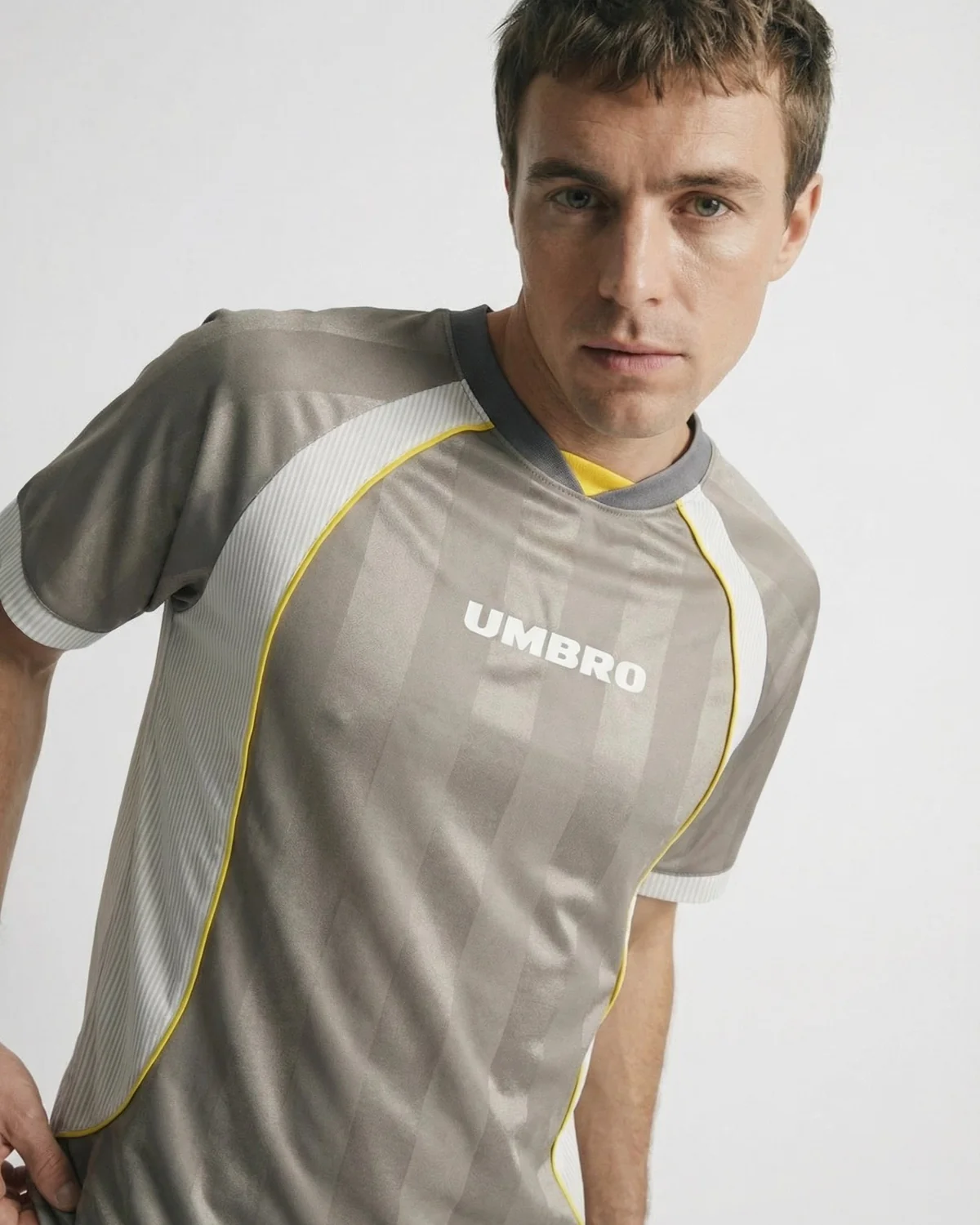
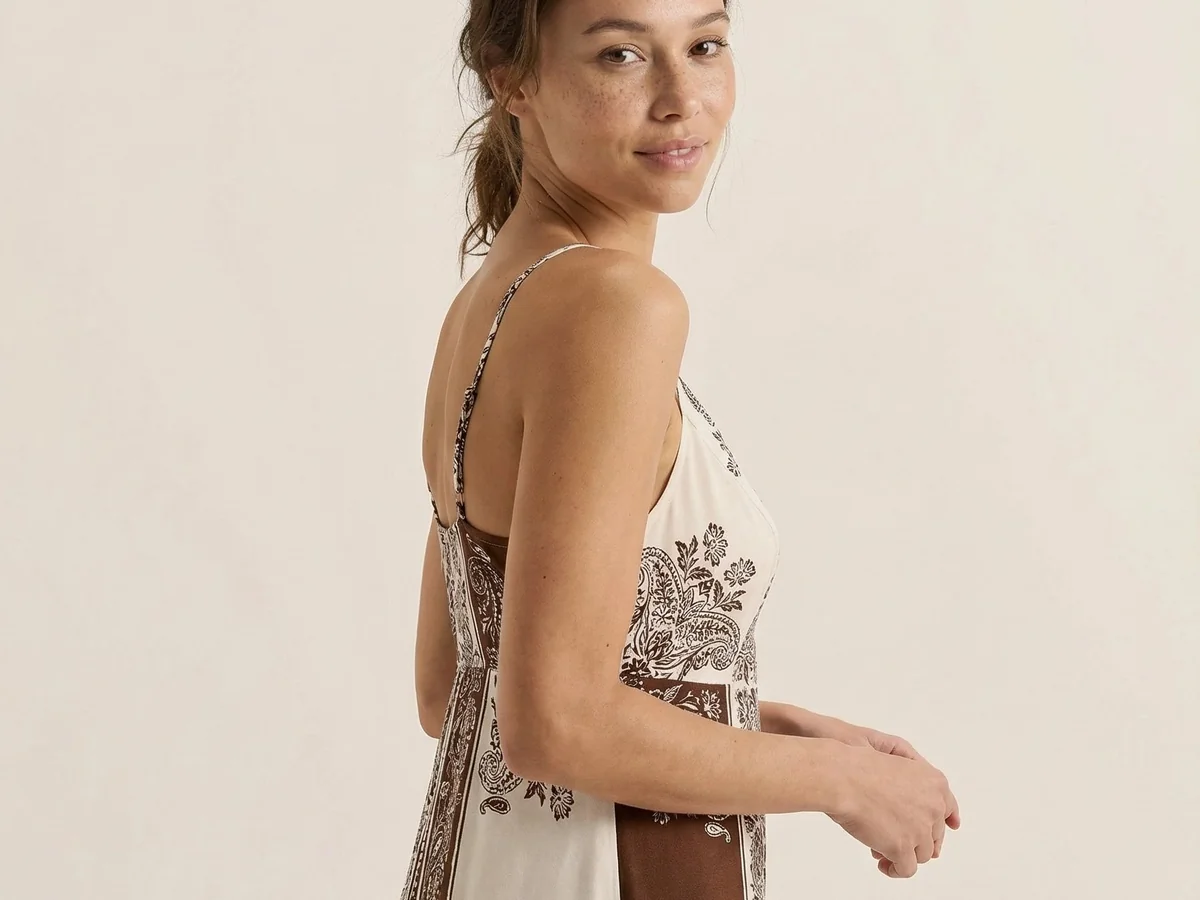
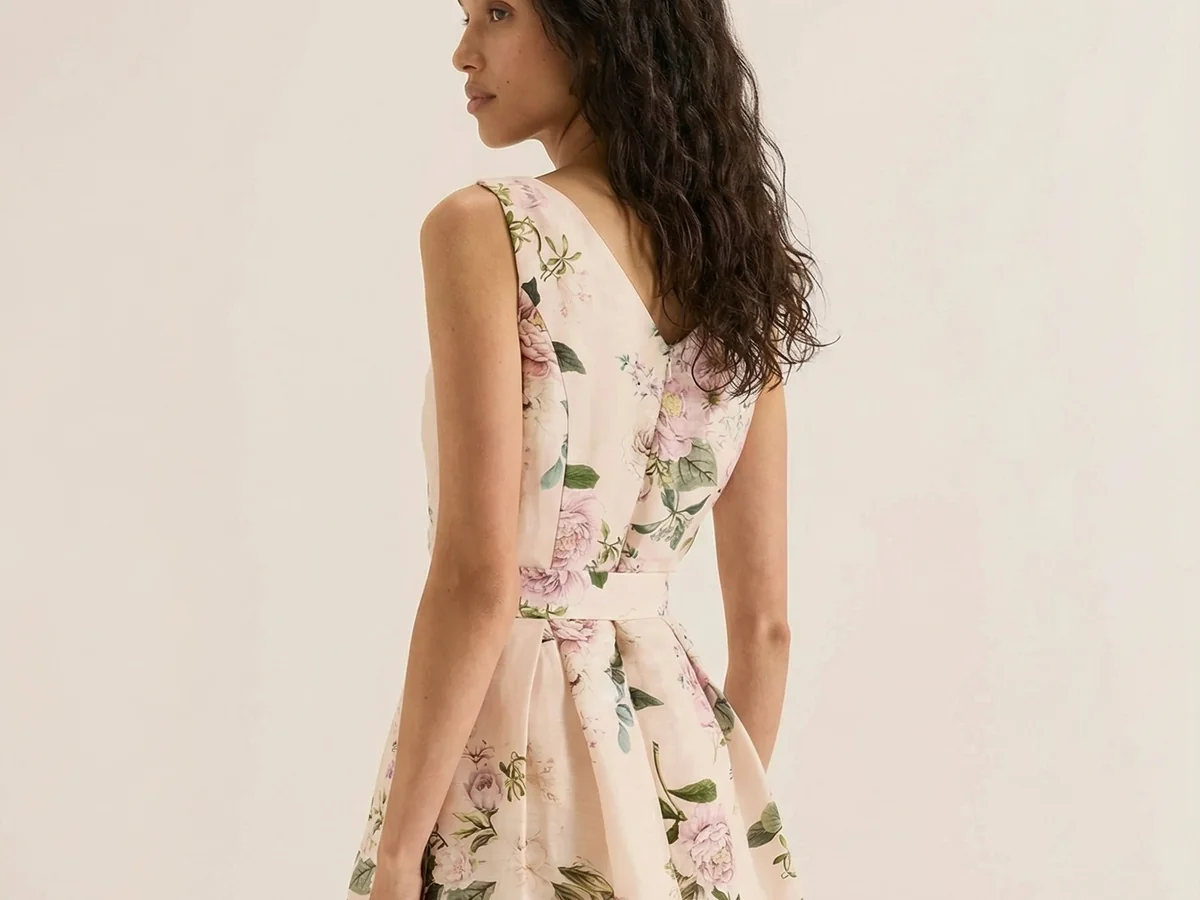
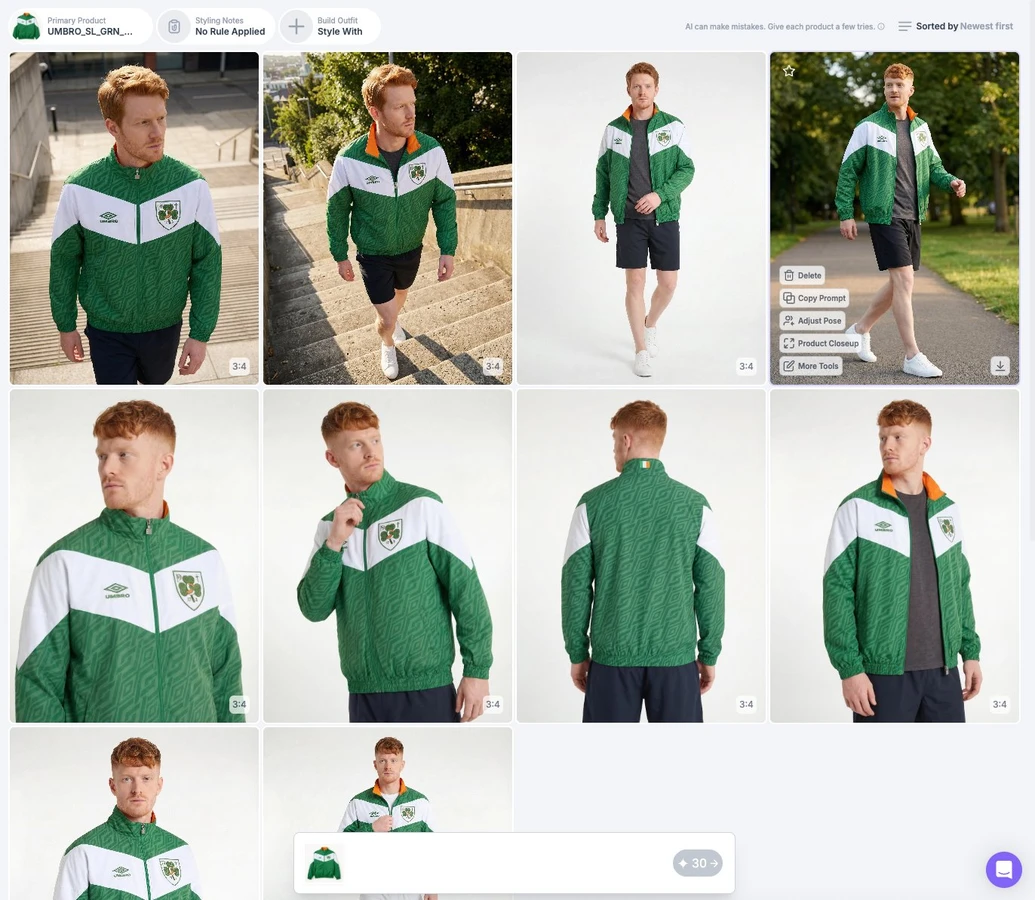
When Crocs tested AI-generated photos for their spring collection, they discovered a 60% faster campaign rollout. They used an AI model generator — a tool that creates lifelike, diverse digital models, sidestepping traditional photoshoots entirely.

Instead of juggling photographers, stylists, and models, brands can now upload a single product photo. The AI takes it from there, generating a finished, studio-quality shot that elevates the brand's visual identity.

This approach transforms a process that once took weeks into a task that takes minutes. Platforms like Picjam are built on this technology, giving brands the power to create entire lookbooks and slash content production budgets.

How Does an AI Model Generator Actually Work?

At the heart of an AI model generator is a sophisticated technology known as generative AI. Brands like G-Star RAW and Calvin Klein are leveraging this to create an entirely new visual production pipeline.

The AI is trained on millions of high-fashion photos, learning everything from human anatomy and realistic skin textures to the specific way fabrics like denim or silk drape and fold. This process is driven by powerful algorithms, most often a diffusion model.

From Pixels to People

A diffusion model starts with digital noise — a blurry, pixelated image — and refines it step-by-step until a clear, photorealistic human figure emerges. This method allows the AI to create unique individuals who have never existed before.

Crucially for brands, these models are synthetic, which solves a major legal headache. The figures are royalty-free, eliminating the complex licensing agreements and usage rights that come with human models. You can get a deeper dive into how these digital people are made in our guide to what a virtual model is.

The Technical Foundation

The technology behind these generators is complex, built on massive datasets and significant computing power. A look into Data Science and AI Development services reveals the deep expertise required to build these tools.

For the user, however, the process is streamlined:

  • Input: Start with a clear photo of your garment — even a simple flat-lay of a t-shirt works.
  • Generation: The AI places the clothing onto a newly generated model, ensuring the fit, texture, and drape look completely natural.
  • Output: Receive a high-resolution, ready-to-use image for your product pages, social media, or ad campaigns.

This workflow takes a process that once cost thousands of dollars and weeks of coordination and shrinks it to a task that takes less than a minute. It gives brands the ability to generate endless visual assets and feature diverse models to connect with a global audience.

How AI Generated Models Cut Photoshoot Costs by Up to 90%

Traditional photoshoots are a massive line item for any fashion brand. A McKinsey report notes that generative AI can boost productivity in marketing functions by 5 to 15% of total costs. For content creation, the savings are even more dramatic.

An emerging direct-to-consumer brand planning a seasonal lookbook with 20 products could easily face a $10,000 bill. With an AI tool, that same brand can create an entire campaign's worth of images for less than $1,000.

That's a 90% cost reduction. This is a fundamental shift in content economics, giving smaller brands the financial agility to compete visually with established industry giants.

Traditional Photoshoot vs. AI Model Generator Cost Breakdown

The table below provides a conservative estimate for a single-day, 20-product shoot, highlighting how traditional costs compare to a streamlined AI approach.

Expense ItemTraditional Photoshoot (Estimated Cost)AI Model Generator (Estimated Cost)
Model Fees (2 models)$2,000 – $4,000$0
Photographer$1,500 – $3,000$0
Studio Rental$800 – $1,500$0
Stylist & Wardrobe$1,000 – $2,000$0
Hair & Makeup Artist$800 – $1,200$0
Retouching/Post-Production$1,000 – $2,500Included in subscription
Equipment Rental$500 – $1,000$0
Total Estimated Cost$7,600 – $15,200~$500 – $1,000

The numbers speak for themselves. The savings free up capital that can be reinvested into marketing, product development, or other growth areas.

Accelerate Your Content Pipeline from Weeks to Minutes

Speed is the other massive advantage. A traditional photoshoot involves weeks — sometimes months — of planning, casting, and post-production. An AI generator delivers fresh assets in minutes.

This agility means brands can react to micro-trends or viral moments without the usual logistical nightmare.

Imagine a certain color suddenly trends on TikTok. With an AI tool, you can generate a new set of on-model images featuring that trend in less than an hour. It also streamlines A/B testing — pit different models or backgrounds against each other in ad creatives to see what resonates and drives conversions.

The workflow transforms a complex process into just a few steps.

A horizontal flow diagram illustrating the AI model generation process from input to output.

This shift isn't going unnoticed. Enterprise spending on generative AI is projected to hit $37 billion in 2025, a 3.2x leap from the $11.5 billion spent in 2024. A huge chunk of that investment — $19 billion — is going into user-facing applications like Picjam's studio, built to create high-converting visuals instantly. For more on this trend, you can explore the full analysis of the generative AI market.

Extend the Life of Every Visual Asset

The value of an ai model generator extends far beyond the initial cost savings. With traditional photography, every new creative idea means a new shoot and a fresh invoice. AI-generated assets, however, are endlessly adaptable.

Here are a few ways brands are getting more from their digital assets:

  • Market Localization: Launching in a new country? Instantly create campaign variations using models that reflect local demographics — no flights required.
  • Endless Variations: Want to see how a dress looks on 5 different models against 10 backdrops? Generate all those options for an email campaign.
  • Demographic Testing: See if a product resonates better with younger or older audiences by testing it on different models before committing marketing spend.

This ability to repurpose and test transforms your content library from a static folder of photos into a dynamic marketing asset. For a deeper dive, check out our guide on using an AI product photo generator.

Choose an AI Generator with Brand-Building Features

Four diverse women of different ages and body types sitting on the floor in beige dresses.

Picking an AI model generator is like choosing a partner for your brand's visual identity. The right platform offers features that create real-world value, turning a simple product photo into an asset that converts.

Not all generators are created equal. Some produce generic, plastic-looking figures, while others, like Picjam, are built specifically for fashion e-commerce. They focus on authentic textures, realistic fit, and brand consistency.

The difference comes down to a core set of features that separate a novelty from an indispensable part of your content workflow.

Create Diverse and Inclusive Campaigns Instantly

A modern fashion brand must reflect its customer base. A top-tier generator lets you move beyond a single "look" and offers deep customization to create the exact models you need.

This means having real control over:

  • Ethnicity: Generate models representing a global audience for localized campaigns.
  • Age: Showcase apparel on different age demographics to broaden your market appeal.
  • Body Type: Show how clothes actually fit on a realistic range of body shapes.

A brand like Universal Standard, famous for its inclusive sizing, could use an AI generator to instantly create visuals for their entire size range — from 00 to 40 — without the logistical headache of casting dozens of models. This is how brands build a stronger connection with their community.

Ensure Garment Realism and Integrity

The most critical feature is how realistically the generator renders your clothing. If the product doesn't look authentic, the image is worthless.

It all comes down to the AI's grasp of fabric physics. A high-performing AI model generator will accurately simulate how different materials behave on the body.

A silk blouse should have a subtle sheen and fluid drape, while a denim jacket must look structured with authentic-looking seams and texture. This level of detail is non-negotiable for building customer trust and reducing returns.

The best tools protect the integrity of your original product photo, intelligently mapping the garment onto the model's pose without distorting key details like logos, patterns, or intricate embroidery.

Customize Backgrounds and Scenes for Brand Consistency

Your product images need to exist inside your brand's world, whether that's a minimalist studio or a sun-drenched beach.

The power to customize backgrounds is crucial for brand consistency. The leading platforms let you:

  1. Upload Your Own Scenes: Use existing brand backdrops to ensure every AI-generated image aligns with your aesthetic.
  2. Choose from a Curated Library: Select from high-quality lifestyle settings to quickly build campaign-ready content.
  3. Generate New Backgrounds: Use text prompts to dream up new environments tailored to a specific collection.

This flexibility allows a brand like Reformation to maintain its signature romantic, vintage-inspired vibe across all generated content, placing models in scenes that feel both aspirational and true to its identity.

Demand Essential Technical Capabilities for Your Workflow

Beyond creative features, a practical tool needs the technical horsepower to support a professional workflow. Look for these non-negotiables:

  • High-Resolution Upscaling: The generator must output images at a high enough resolution for product detail pages (PDPs), digital ads, and even print. A 2x or 4x upscaling feature is standard.
  • Seamless Integration: The tool should fit into your existing workflow. Integration with platforms like Shopify is a huge plus for streamlining product listings.
  • Batch Processing: For brands with large catalogs, the ability to generate images for multiple products at once is a game-changer.

These features make an AI model generator a scalable production tool that grows with your brand.

Activate Your Brand with AI-Generated Content

A person browses a grid of 3D AI character models on a laptop and smartphone.

The real magic happens when brands use an AI model generator to make their marketing smarter and faster. This isn't just about replacing traditional photoshoots; it's about executing creative ideas that were previously too expensive or time-consuming.

The market for the generative AI that powers these tools has skyrocketed from $29 billion in 2022 to $44.89 billion today. That 54.7% jump shows how hungry brands are for more efficient ways to create content.

So, how are savvy brands putting this technology into action?

A/B Test Ad Creatives with Unprecedented Speed

This is where things get powerful for performance marketers. Instead of guessing which ad creative will land, you can test dozens of variations and let the data tell you what works.

Imagine a brand running Instagram ads for a new dress. They could generate images of that same dress on 5 different AI models, place them in 3 different settings, and have 15 unique ad creatives ready in under an hour.

This rapid-fire testing provides hard numbers on what your audience responds to, directly boosting your return on ad spend (ROAS). You’re no longer operating on assumptions; you're making data-driven creative decisions. Learn more in our guide to AI fashion models.

Localize Marketing for Global Audiences in Minutes

Launching in a new country usually means reshooting entire campaigns to feel relevant to the local market — an expensive, slow process.

Now, a global brand like Zara can take its latest collection and, within minutes, generate fresh campaign images with models who look like the target customers in Japan, Brazil, or Nigeria. This hyper-localization creates an instant connection, making the brand feel familiar from day one.

Generate Endless Content for Social Media and Lookbooks

The social media content beast is always hungry. An AI model generator is your secret weapon for keeping your feeds fresh without burning out your team or your budget.

A brand can take one item — like something from this style guide for trendy tops for women — and spin it into dozens of on-model images for different platforms.

This means you can easily create:

  • Daily Instagram posts showing the top in different settings.
  • Unique Pinterest pins styled for various aesthetics.
  • Complete digital lookbooks for every new collection drop.

This constant flow of new visuals keeps your audience engaged and shows off your product’s versatility in a way that was never scalable before.

Navigate Key Technical and Ethical Questions

Adopting an AI model generator requires attention to a few key technical and ethical points to ensure responsible use and optimal results.

On the technical front, the quality of your on-model images depends entirely on the quality of the product photos you feed the AI. A clear, well-lit, high-resolution shot of your garment is the non-negotiable first step.

This is especially critical for platforms like Picjam, which are built to preserve every detail of your apparel. A crisp input photo allows the AI to accurately render fabric texture, intricate patterns, and the exact fit.

Integrate AI to Supercharge Creative Workflows

Bringing an AI tool on board doesn't mean replacing your creative team; it means supercharging them. The generator acts as a high-speed production assistant, freeing up your team to focus on high-level strategy.

  • Art Directors can mock up and test dozens of campaign concepts in a single afternoon.
  • Marketers can generate a nearly endless supply of ad variations for A/B testing.
  • E-commerce Managers can refresh product listings with new, diverse imagery in minutes.

The focus moves from tedious manual work to creative experimentation, allowing teams to produce more content without the usual constraints of time and budget.

Understand Model Rights and Likeness

The biggest ethical conversations in this space center on model rights. Early AI tools often faced criticism for being trained on scraped data, creating a legal and moral minefield.

Leading platforms now use entirely synthetic models. The faces and figures you see are generated by the AI; they don't belong to or resemble any real person. This sidesteps all the complex legal headaches around consent, licensing, and royalties.

This ethical approach is becoming a core pillar of the technology. According to a recent report, US-based institutions released 40 notable AI models in 2024, far outpacing other regions. Nearly 90% came from industry players racing to build scalable, ethically-sound tools. You can learn more about the growth of AI models.

Promote Positive and Diverse Representation

With this new power comes a responsibility to use it thoughtfully. An AI model generator gives brands an incredible opportunity to champion positive body imagery and genuine diversity.

Instead of defaulting to narrow, unrealistic beauty standards, brands can create campaigns that reflect the true diversity of their customers. This means showcasing products on a wide range of body types, ages, and ethnicities, building a more authentic brand identity.

Final Takeaway: Your Next Steps

An AI model generator is a strategic asset for building a modern, agile fashion brand. When you can create high-quality, on-brand visuals instantly, you can move faster, test smarter, and build a deeper connection with your audience.

Here are 2 actionable steps you can take today:

  1. Audit Your Current Content Costs: Tally up every expense from your last photoshoot — model fees, studio rental, photographer, stylist, and post-production. This number is your baseline. Understanding your current spend will highlight the potential for a massive ROI.
  2. Run a Small, Focused Test: You don’t need to overhaul your entire creative process overnight. Pick a single product and run it through an AI model generator like Picjam. Generate a handful of images with different models and backgrounds. Use these new assets in a limited campaign and compare the engagement and conversion rates to your usual photos. This gives you low-risk, data-backed proof of what AI can do for your bottom line.

Ready to see how much you could save? Use the Picjam savings calculator to compare our AI-powered solution with your brand's current photography expenses and see the numbers for yourself.

Head of Business
About

Picjam team

Pellentesque leo laoreet neque in sed bibendum fermentum suspendisse tempus non purus adipiscing suscipit fringilla adipiscing convallis dolor nulla fermentum facilisis ullamcorper ut vehicula tortor lib.