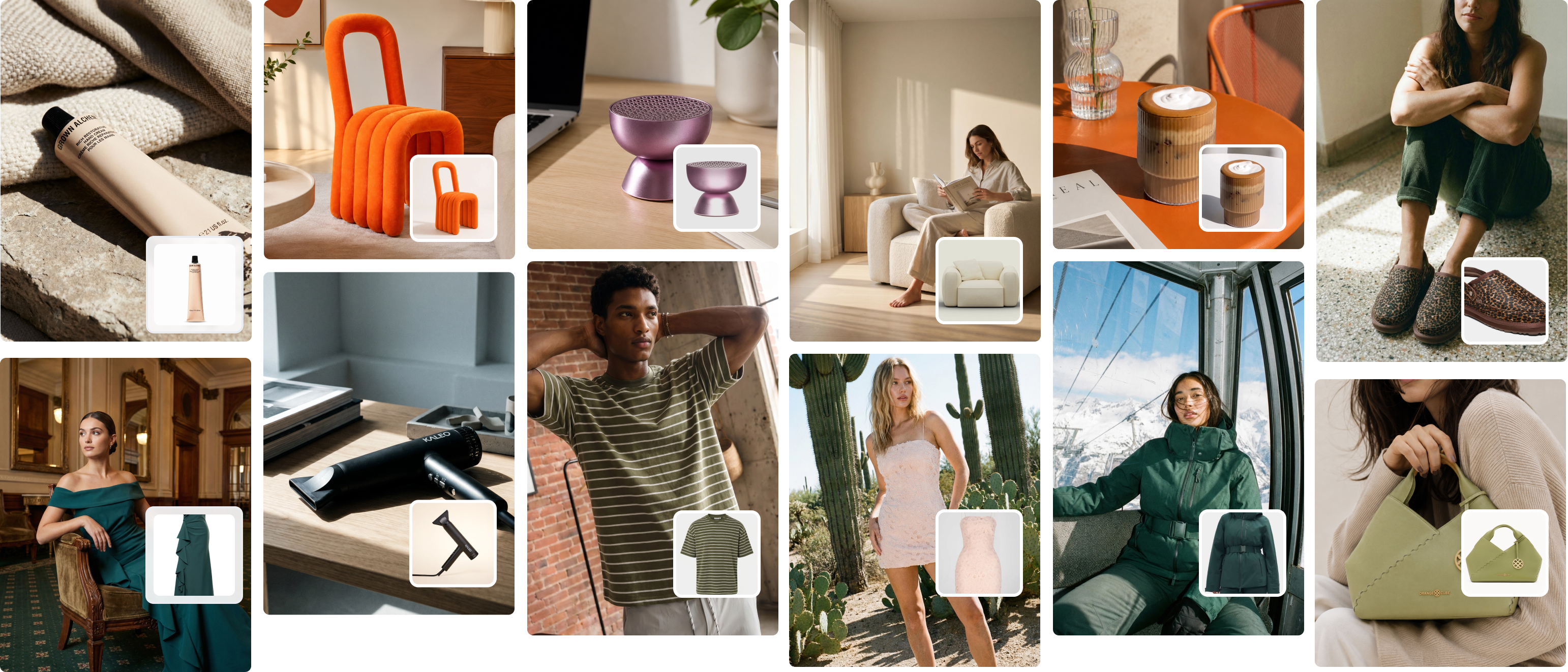
10 Clothing Brand Photoshoot Ideas to Scale Your Content
Discover 10 clothing brand photoshoot ideas to create scroll-stopping content. Learn how AI can help you scale production and save costs. Get inspired today.
When fashion giants like Zara and H&M test new collections, their strategy isn’t just about big budgets — it’s about creative diversity. For growing brands, this level of content production was once impossible. Traditional photoshoots are slow, expensive, and rigid, limiting your ability to experiment with fresh clothing brand photoshoot ideas.
But what if you could generate an entire campaign’s worth of diverse, on-brand imagery in minutes, not months? This article presents 10 practical photoshoot concepts that you can execute today. We will move beyond generic advice and provide actionable blueprints for each idea.
We'll explore how platforms like Picjam are enabling brands of all sizes to produce studio-quality content at a fraction of the cost, using AI to test concepts, models, and backgrounds instantly. We’ll show you not only what to shoot but how to scale it efficiently, turning a single product photo into a full suite of marketing assets. Ultimately, the goal of any clothing brand photoshoot is to create high-converting images, and understanding advanced e-commerce product photo enhancement techniques can be invaluable for achieving this.
Get ready to build a library of high-performing visuals that stop the scroll, tell your brand’s story, and drive sales, without the traditional production headaches.
By Michael Pirone, Founder of Picjam & Vidico
1. Showcase Your Garments on Diverse Models in Authentic Settings
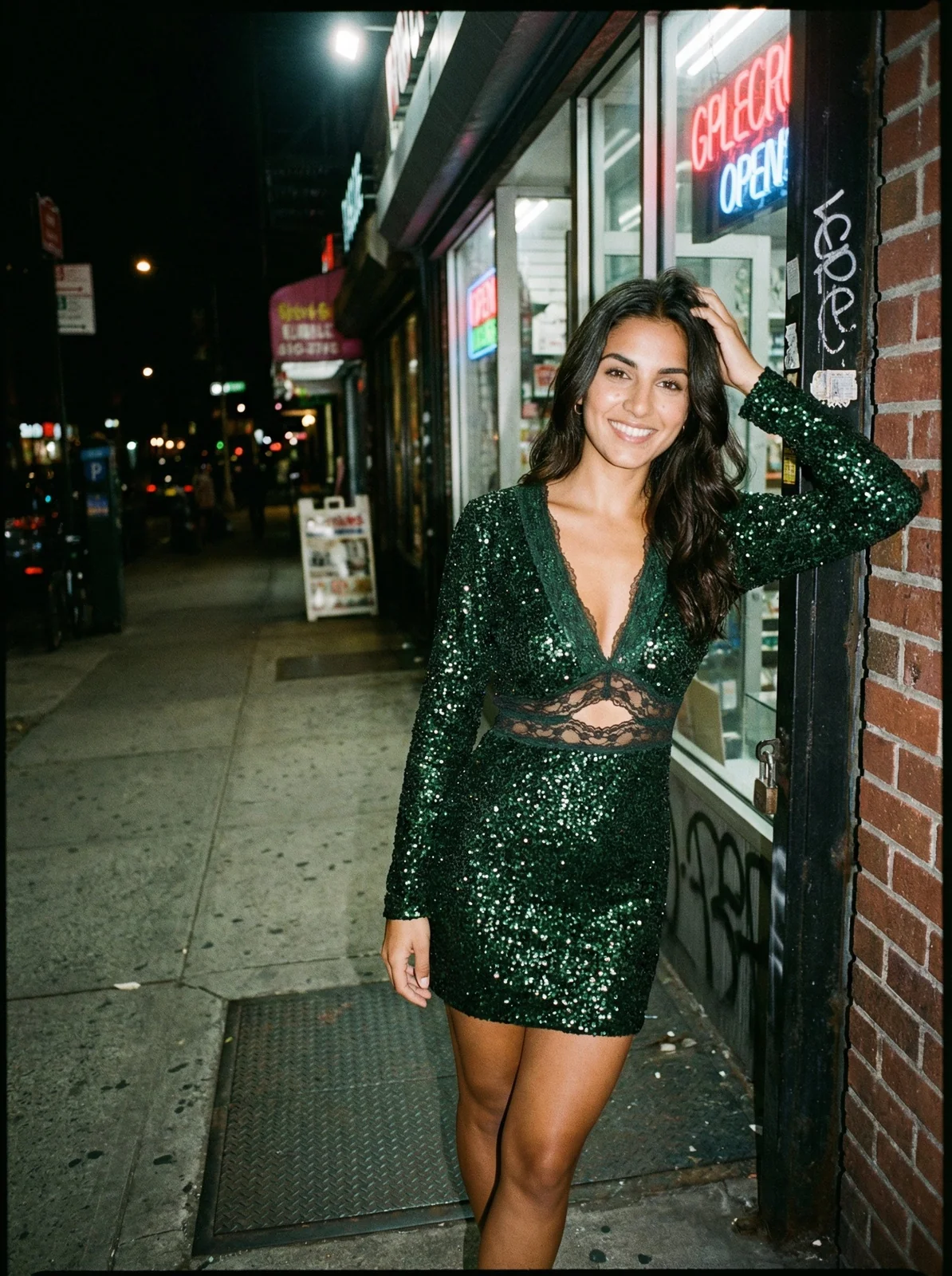
On-model photography is a foundational clothing brand photoshoot idea that shows garments in real-world contexts. Instead of a sterile studio, this approach places models in environments where customers might actually wear the clothes, such as bustling city streets, cozy home interiors, or scenic outdoor locations. This method helps buyers visualize themselves using the products, which builds a stronger emotional connection and can increase conversion rates.

Major retailers like Zara and ASOS have built their visual identity around this concept, demonstrating its effectiveness at scale. They consistently show their collections on a diverse range of models, reflecting their global customer base and making the fashion feel accessible and relatable. The goal is to move beyond simply documenting the product and instead tell a story about the person who wears it.
How to Implement This Concept
To execute this style effectively, focus on authenticity. The location, model, and styling should all align with your brand's target audience and the specific clothing collection.
- Model Selection: Choose models who represent your customer persona. With AI tools like Picjam, you can test dozens of AI-generated models with different ethnicities, body types, and expressions on a single garment image without needing expensive casting calls or reshoots.
- Location Scouting: The background is as important as the clothing. For an urban streetwear brand, gritty cityscapes work well. For a linen dress collection, a sunny beach or garden is more appropriate. You can generate unlimited background options to match seasonal campaigns or specific product drops.
- Styling & Props: Keep styling realistic. How would a real person wear this outfit? Add simple props like a coffee cup, a tote bag, or a smartphone to make the scene feel genuine.
This approach is highly effective for building brand identity and creating engaging content for social media, advertisements, and product detail pages.
2. Provide a 360-Degree View with a Multi-Angle Showcase
A multi-angle product showcase is a critical clothing brand photoshoot idea focused on e-commerce transparency and customer confidence. It moves beyond a single hero image to provide a complete view of the garment. This includes standard front, back, and side shots, supplemented with close-up details of fabric, seams, buttons, and hemlines. This thorough approach helps customers accurately assess fit, quality, and construction, which directly reduces return rates by managing expectations.
E-commerce giants like Nordstrom have standardized this practice, understanding that comprehensive visuals are the next best thing to physically touching the product. Zappos famously applied this to footwear, proving that more angles lead to more sales and fewer returns. For clothing, this means showing how a dress drapes from the side, how a jacket is constructed in the back, and the texture of a knit sweater up close.
How to Implement This Concept
The key to a successful multi-angle showcase is consistency and detail. Each shot should serve a purpose in telling the garment’s full story, from its overall silhouette to its finest features.
- Shot List: Plan for a minimum of 5-7 images per product: front, back, left side, right side, and 2-3 detailed close-ups. Focus detail shots on unique elements like embroidery, a specific type of closure, or fabric texture.
- Maintain Consistency: It's essential that the garment remains in the same position and lighting across all angles for a seamless gallery experience. AI tools can generate front, back, and side angles from a single product photo, ensuring perfect consistency in pose and lighting without manual adjustments.
- Detail and Resolution: Details sell the product. Use high-resolution images to ensure customers can zoom in and appreciate the quality of the materials and craftsmanship. Organize the final images logically on the product page, typically starting with the front view.
This method is fundamental for any brand selling online, as it builds trust and provides the clarity needed for a confident purchase.
3. Streamline Your Catalog with Color Variation Series
A color variation series is a highly efficient clothing brand photoshoot idea that focuses on consistency and conversion. This method involves photographing the same garment in every available colorway, often using an identical pose, lighting, and background. This creates a clean, predictable, and professional look across your product catalog, making it easier for customers to compare options and make purchasing decisions.
Brands like Uniqlo and Lululemon are masters of this approach. They present core items like t-shirts or leggings in a vast array of colors, with each product page featuring a nearly identical image that updates only the garment color. This strategy not only streamlines the shopping experience but also significantly cuts down on production costs by minimizing the need for unique setups for every single SKU.
How to Implement This Concept
The key to a successful variation series is precision and consistency. Every element must be replicated perfectly from one shot to the next to maintain a cohesive brand presentation.
- Standardize Your Setup: Use the same lighting, camera angle, and background for all variants. A simple, neutral background works best to ensure the product color is the star of the show.
- Model & Pose Consistency: The model's pose must be identical for each color. AI tools excel here, allowing you to generate a single pose and then apply dozens of color variations to the garment with perfect accuracy, saving immense time and effort compared to a traditional reshoot.
- Show Fit & Inclusivity: Test colorways on AI-generated models with different skin tones to see how they look on a diverse customer base. You can also generate visuals showing the same garment on different body types to give customers a better understanding of fit.
This approach is perfect for brands with a core collection of essentials offered in multiple colors. It builds trust through transparency and makes your e-commerce site look polished and easy to navigate.
4. Let the Product Shine with Clean, Product-Only Shots
Product-only photography is a clean, minimalist clothing brand photoshoot idea that isolates garments to highlight their design, texture, and quality. This approach involves shooting items solo, often against a neutral background. It removes the context of a model or location, placing the full focus on the product's details, such as fabric weave, stitching, and hardware. This clarity builds trust and helps customers make informed purchasing decisions.
Brands like Everlane and Patagonia have masterfully used this style to communicate transparency and product integrity. Everlane's crisp shots feel honest and direct, while Patagonia’s detailed visuals document the technical features of their gear. This method is essential for product detail pages (PDPs), lookbooks, and creating supplemental content for social media that feels both artistic and informative.
How to Implement This Concept
To create effective product-only shots, consistency and attention to detail are key. The goal is to present the product in its purest form, so lighting and composition must be precise.
- Styling & Composition: Artfully arrange garments to show their shape and key features. You can create complete outfit layouts with complementary products to provide styling inspiration, helping customers visualize a full look.
- Detail Shots: Use a macro lens or get close to the garment to capture high-resolution images of buttons, zippers, fabric textures, and logos. These shots answer customer questions about quality before they are even asked.
- Lighting & Backgrounds: Maintain consistent lighting and shadow depth across your entire catalog to create a cohesive, professional look. Using an AI tool can instantly generate a clean white or custom-colored background for brand consistency.
This is an invaluable asset for any ecommerce brand, providing the clean, detailed imagery needed for a polished online store.
5. Build Trust with Size & Fit Comparison Photography
Size and fit comparison photography directly addresses a major customer pain point: finding the right size online. This clothing brand photoshoot idea involves showing the same garment on multiple models of different body types and sizes, often side-by-side. This visual documentation not only boosts buyer confidence and reduces return rates but also sends a powerful message of inclusivity, showing that your brand is designed for everyone.
Brands like Aerie and Universal Standard have made this approach a core part of their visual marketing strategy, earning customer loyalty by demystifying fit. They demonstrate how a single dress or pair of jeans drapes and fits on a size 2 versus a size 16, giving customers a realistic preview. The goal is to provide clear, practical information that helps shoppers make informed decisions quickly.
How to Implement This Concept
Consistency is key to making this concept work. The focus should be on creating an easy-to-read visual guide that highlights the garment's fit across a spectrum of body shapes.
- Model Selection: Showcase a realistic range of body types and sizes that reflect your customer base. With a tool like Picjam, you can instantly place a single garment photo onto numerous AI-generated models, creating a diverse fit showcase without the logistical challenge of a large-scale, multi-model photoshoot.
- Visual Consistency: Keep the background, lighting, and model pose identical for each size variation. This removes distractions and allows customers to focus purely on the garment's fit and drape. A clean, neutral studio background works best.
- Clear Labeling: Each image must be clearly labeled with the model's size, height, and key measurements. This information should be displayed directly on the product detail page, often in a grid or carousel format.
This method is exceptionally effective for e-commerce product pages and social media content aimed at building trust. It shows a commitment to transparency and inclusivity that modern consumers value.
6. Increase AOV with Seasonal & Trending Style Collections
Creating thematic photoshoots that align with seasons, holidays, or current trends is a powerful clothing brand photoshoot idea. This approach groups related products into coordinated collections with a specific mood, color palette, and styling. The goal is to inspire customers with complete outfit ideas, which can increase the average order value by encouraging them to buy multiple complementary items.
Retail giants like H&M and Urban Outfitters are masters of this strategy. They launch seasonal campaigns for fall and spring, and also create curated collections around emerging styles like "Coastal Grandmother" or "Y2K Revival." Outdoor Voices effectively does this by theming shoots around seasonal activities, such as hiking in autumn or tennis in summer, making their apparel feel timely and relevant.
How to Implement This Concept
Success with this concept depends on timely planning and thematic consistency. The photos must tell a cohesive story that captures the spirit of the season or trend.
- Advance Planning: Begin planning seasonal campaigns 2-3 months ahead of time to allow for concept development, production, and marketing rollout. According to McKinsey, agile content creation can reduce campaign time-to-market by up to 40%.
- Thematic Cohesion: Use AI tools to generate coordinated backgrounds that match your theme. For a fall collection, you could generate endless variations of autumnal forests or cozy cafes. This ensures every product image feels like part of the same story.
- Generate Variations: Rapidly test different models on your outfits to ensure inclusivity and broad appeal. AI allows you to create images featuring diverse body types and ethnicities without needing to schedule new photoshoots, making your brand feel more welcoming.
- Trend-Focused SEO: Align your visuals with search trends. If "linen sets" are trending for summer, create a dedicated photoshoot and use relevant keywords in your image alt-text and product descriptions to capture organic traffic.
7. Capture Attention with Video & Movement Content
Video is a vital clothing brand photoshoot idea that converts static product images into engaging content. This format is designed to show how a garment drapes, flows, and moves in a real-world context. On social media platforms where video can generate significantly higher engagement than static images, this approach is essential for capturing attention and communicating product quality.
Fast-fashion brands like ASOS and Fashion Nova have mastered this strategy, using rapid-fire product videos on TikTok and Instagram Reels to showcase new arrivals. Similarly, athletic brands like Lululemon depend on movement-focused content to prove the performance and flexibility of their apparel. This dynamic format helps answer customer questions about fit and fabric before they even have to ask.
How to Implement This Concept
The key to successful video content is capturing authentic movement that highlights the garment's best features. The focus should be on demonstrating how the clothing feels and performs during wear.
- Create Video from Stills: To produce video content efficiently, you can use existing high-resolution photos. AI tools can generate short, animated videos from a single product shot, creating a sense of movement — like twirls or gentle sways — without needing a video shoot.
- Optimize for Social Platforms: Keep videos short, ideally between 15 and 30 seconds, to retain viewer attention. Format them specifically for each platform, using a 9:16 aspect ratio for Instagram Reels and Stories and a 1:1 or 9:16 ratio for TikTok.
- Showcase Movement & Features: Direct models to walk, twirl, or jump to show the fabric's drape and flow. Use text overlays to call out key features like "stretch-fit fabric" or "wrinkle-resistant material" to add value.
This approach is highly effective for increasing engagement and driving sales on social media. Learning how to create compelling product videos can significantly boost engagement for your clothing brand.
8. Justify Price with Detail & Craftsmanship Close-Ups
Detail and craftsmanship close-ups are a powerful clothing brand photoshoot idea focused on macro photography. This approach highlights the intimate qualities of a garment, such as fabric texture, intricate stitching, and custom hardware. By drawing the customer’s eye to these small but significant features, you communicate superior quality, justify your price point, and clearly differentiate your brand from mass-produced alternatives.

Brands celebrated for their material quality, like Patagonia, Allbirds, and Everlane, masterfully use this technique. They dedicate imagery to showcasing the integrity of their construction and the uniqueness of their fabrics. These shots go beyond aesthetics; they serve as visual proof of the brand’s promise, building trust and helping customers appreciate the value embedded in each piece.
How to Implement This Concept
Success with this concept depends on precision and consistency. The goal is to make the unseen details visible and desirable, reinforcing your brand's commitment to quality.
- Create a Shot List of Features: Before shooting, identify the unique details of each garment. This could be mother-of-pearl buttons, a specialized wash on denim, a hand-embroidered logo, or a durable YKK zipper. Plan to capture each one.
- Maintain Consistent Lighting: Use controlled, consistent lighting across all your detail shots to ensure the fabric colors and textures are represented accurately. This creates a cohesive and professional look on your product pages.
- Document Unique Materials: Pair your close-up images with descriptive text about the fabric's origin, feel, or benefits. If you're using a specific type of organic cotton or recycled polyester, a detail shot makes that story tangible.
- Ensure Image Sharpness: These photos must be crisp. With AI tools, you can upscale your images to ensure every thread and texture is rendered in high definition, making your product detail pages more compelling.
9. Inspire Purchases with Styled Outfit Suggestions
Styled outfit and pairing suggestions go beyond showing a single product by presenting it as part of a complete, shoppable look. This clothing brand photoshoot idea helps customers visualize how a garment fits into their own wardrobe, providing valuable style inspiration. Instead of just selling a sweater, you're selling the idea of a perfect fall afternoon outfit. This approach can dramatically increase cross-selling opportunities and average order value.

Subscription services like Stitch Fix have built their entire business model on this concept, delivering curated outfits to customers. Similarly, retailers like J.Crew excel at this by showcasing coordinated pieces on their websites and in styling guides, making it easy for shoppers to buy a full ensemble. The strategy is to move from a transactional product view to an inspirational styling service.
How to Implement This Concept
To build effective outfit suggestions, you must think like a stylist. Each combination should feel intentional and aligned with a specific occasion, season, or your customer’s lifestyle.
- Create Multiple Pairings: For each core product, develop 3-4 distinct styling options. For example, show a silk blouse styled for the office, a casual weekend brunch, and an evening out. This demonstrates the item's versatility and value.
- Leverage AI for Variation: Manually shooting every combination is expensive and time-consuming. With AI tools, you can take a single image of a garment and generate dozens of styled outfits on a virtual model. Instantly pair a skirt with different tops, jackets, and shoes, creating endless content at a fraction of the cost.
- Integrate with Content: Don't let the images stand alone. Feature them in blog posts titled "3 Ways to Wear Our New Blazer" or create dedicated "Shop the Look" sections on your product detail pages. This provides a clear path from inspiration to purchase.
This method is highly effective for increasing customer lifetime value and creating a rich, engaging shopping experience that keeps customers coming back for more style advice.
10. Tell Your Brand Story with Before-and-After Visuals
Before-and-after photoshoots create a powerful narrative by showing a product's transformation or its impact over time. This clothing brand photoshoot idea is especially effective for brands focused on sustainability, upcycled materials, or garments with unique functional features. It moves beyond a static product shot to tell a compelling story of creation, durability, or versatility.
Brands like Reformation and Patagonia excel at this by documenting their processes. Reformation often shows the resource-saving impact of their sustainable fabrics compared to traditional ones, while Patagonia's "Worn Wear" program highlights the longevity and repairability of its products. This visual storytelling builds trust and educates customers on the value behind the price tag.
How to Implement This Concept
Success with this concept depends on clear, sequential storytelling. Plan the narrative arc before you begin shooting to ensure the visual progression makes sense and highlights the key product benefits.
- Storyboarding: Define a 3 to 5 image sequence. For an upcycled jacket, this could be: 1. The original garment, 2. A detail of the deconstruction, 3. The final redesigned piece. This creates a clear and engaging narrative for social media carousels or website features.
- Consistent Framing: Use an identical camera angle, lighting, and background for each shot in the sequence. This consistency makes the transformation the sole focus, preventing visual distractions and making the "before" and "after" comparison instantly clear.
- Feature-Focused Variations: For functional apparel, show the product's features progressively. For a convertible travel pant, show it first as pants, then as shorts. AI tools can help generate these variations on a virtual model, saving time and cost.
- Add Context: Pair the visual story with concise text that explains the process. A simple caption like "From forgotten denim to your new favorite jacket" adds emotional weight and reinforces the brand's mission.
Takeaway: Scale Your Content with Smarter Photoshoot Ideas
The days of treating a photoshoot as a singular, high-stakes event are over. Modern clothing brands require a continuous stream of visual content to drive conversions, build community, and tell a compelling story.
Here are 3 actionable insights to implement now:
Shift from Event to Process: Don’t plan one large shoot per quarter. Instead, create fresh visuals weekly by using AI to test new concepts, models, and backgrounds in minutes. This turns your content strategy into a responsive, data-informed operation.
Combine Ideas for Maximum Impact: The most successful brands weave multiple visual formats into a cohesive product story. A lifestyle hero image might capture attention on Instagram, but it’s the detailed close-up and fit comparison shots on your website that will ultimately close the sale.
Start Small, Then Scale: Audit your current visuals to find gaps. Prioritize 1 or 2 new concepts from this list to implement immediately. You don’t need a blockbuster budget. Start by generating variations of your best-sellers on new models or in different settings to experiment without risk.
Your next great photoshoot doesn't have to wait for the next season — it can start right now.
Ready to bring these clothing brand photoshoot ideas to life without the time, cost, and complexity of traditional shoots? Use our savings calculator to see how Picjam compares to your current photography costs and start generating an endless variety of on-model, lifestyle, and product imagery in minutes.

Picjam team
The Picjam team blends AI, product, and creative expertise to eliminate the cost and delay of traditional photography for modern eCommerce brands.