Tutorial
Jan 1, 2026

How to Generate AI Models for Clothing and Cut Content Costs by up to 90%

Discover practical steps to generate ai models for clothing, with tools, workflows, and prompts to create striking visuals that convert.

How to start saving money

Lorem ipsum dolor sit amet, consectetur adipiscing elit lobortis arcu enim urna adipiscing praesent velit viverra sit semper lorem eu cursus vel hendrerit elementum morbi curabitur etiam nibh justo, lorem aliquet donec sed sit mi dignissim at ante massa mattis.

  1. Neque sodales ut etiam sit amet nisl purus non tellus orci ac auctor
  2. Adipiscing elit ut aliquam purus sit amet viverra suspendisse potent i
  3. Mauris commodo quis imperdiet massa tincidunt nunc pulvinar
  4. Adipiscing elit ut aliquam purus sit amet viverra suspendisse potenti

Why it is important to start saving

Vitae congue eu consequat ac felis placerat vestibulum lectus mauris ultrices cursus sit amet dictum sit amet justo donec enim diam porttitor lacus luctus accumsan tortor posuere praesent tristique magna sit amet purus gravida quis blandit turpis.

Mauris commodo quis imperdiet massa tincidunt nunc pulvinar

How much money should I save?

At risus viverra adipiscing at in tellus integer feugiat nisl pretium fusce id velit ut tortor sagittis orci a scelerisque purus semper eget at lectus urna duis convallis. porta nibh venenatis cras sed felis eget neque laoreet suspendisse interdum consectetur libero id faucibus nisl donec pretium vulputate sapien nec sagittis aliquam nunc lobortis mattis aliquam faucibus purus in.

  • Neque sodales ut etiam sit amet nisl purus non tellus orci ac auctor dolor sit amet
  • Adipiscing elit ut aliquam purus sit amet viverra suspendisse potenti
  • Mauris commodo quis imperdiet massa tincidunt nunc pulvinar
  • Adipiscing elit ut aliquam purus sit amet viverra suspendisse potenti
What percentage of my income should go to savings?

Nisi quis eleifend quam adipiscing vitae aliquet bibendum enim facilisis gravida neque. Velit euismod in pellentesque massa placerat volutpat lacus laoreet non curabitur gravida odio aenean sed adipiscing diam donec adipiscing tristique risus. amet est placerat imperdiet sed euismod nisi.

“Nisi quis eleifend quam adipiscing vitae aliquet bibendum enim facilisis gravida neque velit euismod in pellentesque massa placerat”
Do you have any comments? Share them with us on social media

Urna ut fermentum imperdiet lacus, elementum etiam maecenas libero nunc, suspendisse massa, nisl, elit curabitur feugiat in quis ut nibh enim in tristique aliquam sed vitae dui, dis adipiscing pharetra aliquam turpis turpis nibh rhoncus enim, pellentesque leo laoreet neque in sed bibendum fermentum suspendisse tempus non purus adipiscing suscipit fringilla adipiscing convallis dolor nulla fermentum facilisis ullamcorper ut vehicula tortor libero metus donec velit, tristique fermentum, dictum euismod diam scelerisque enim non pharetra tristique lectus habitant pharetra est id

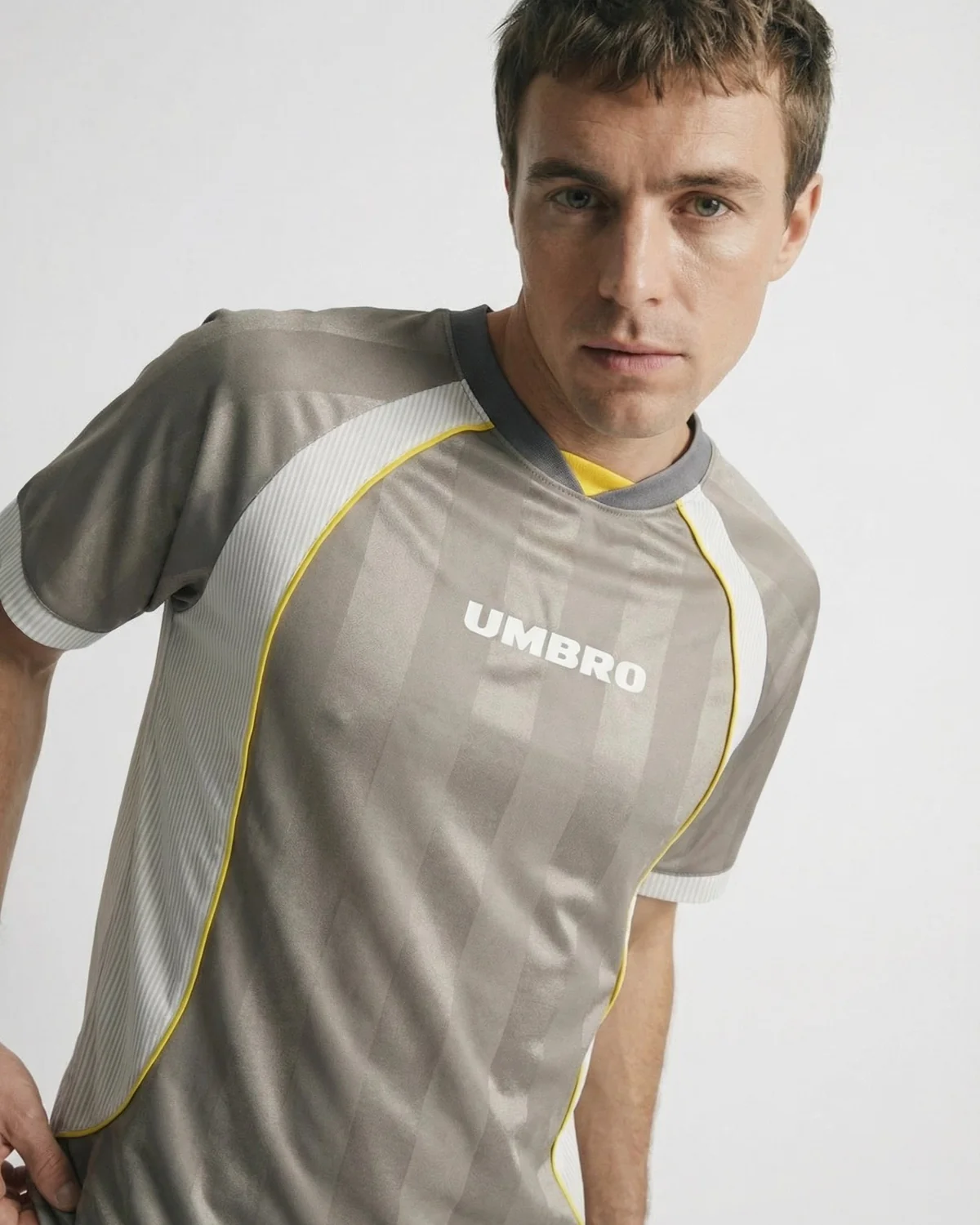
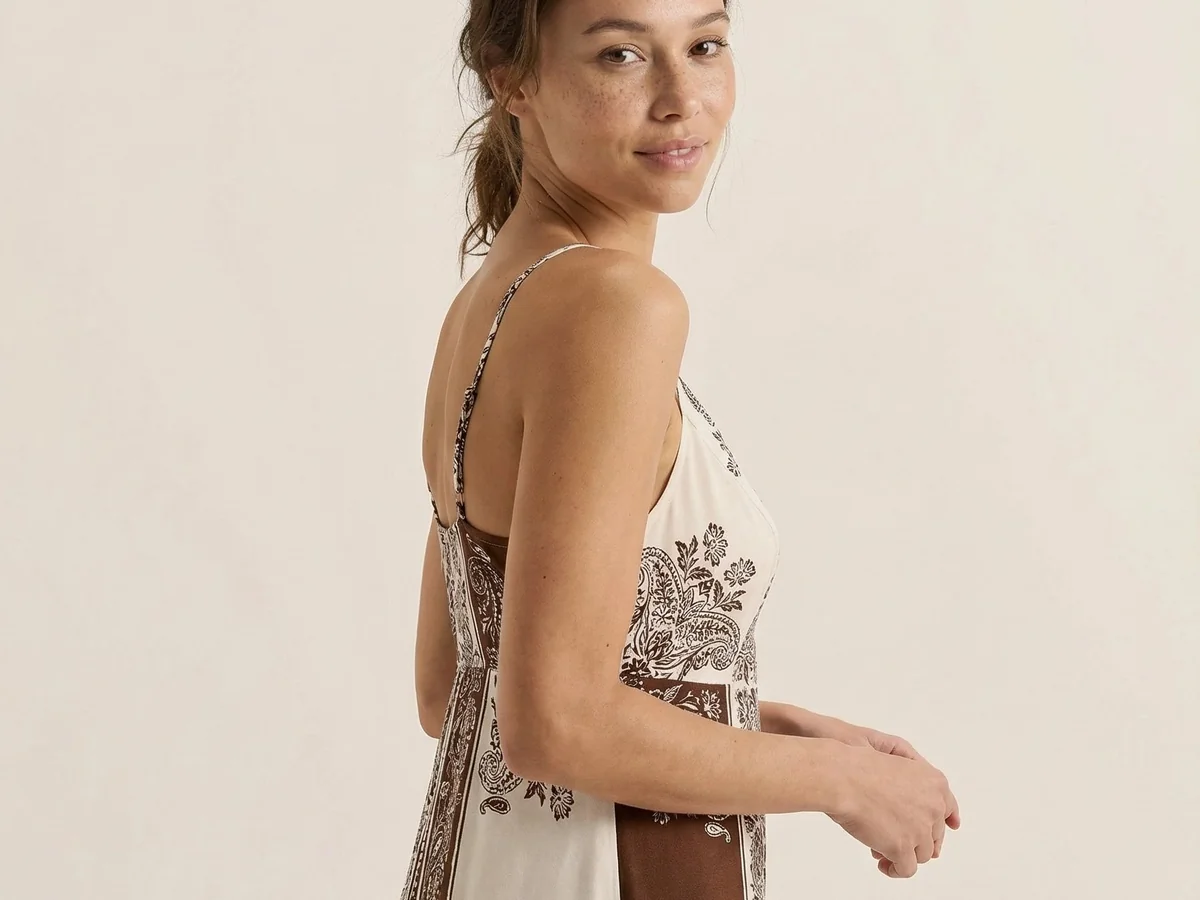
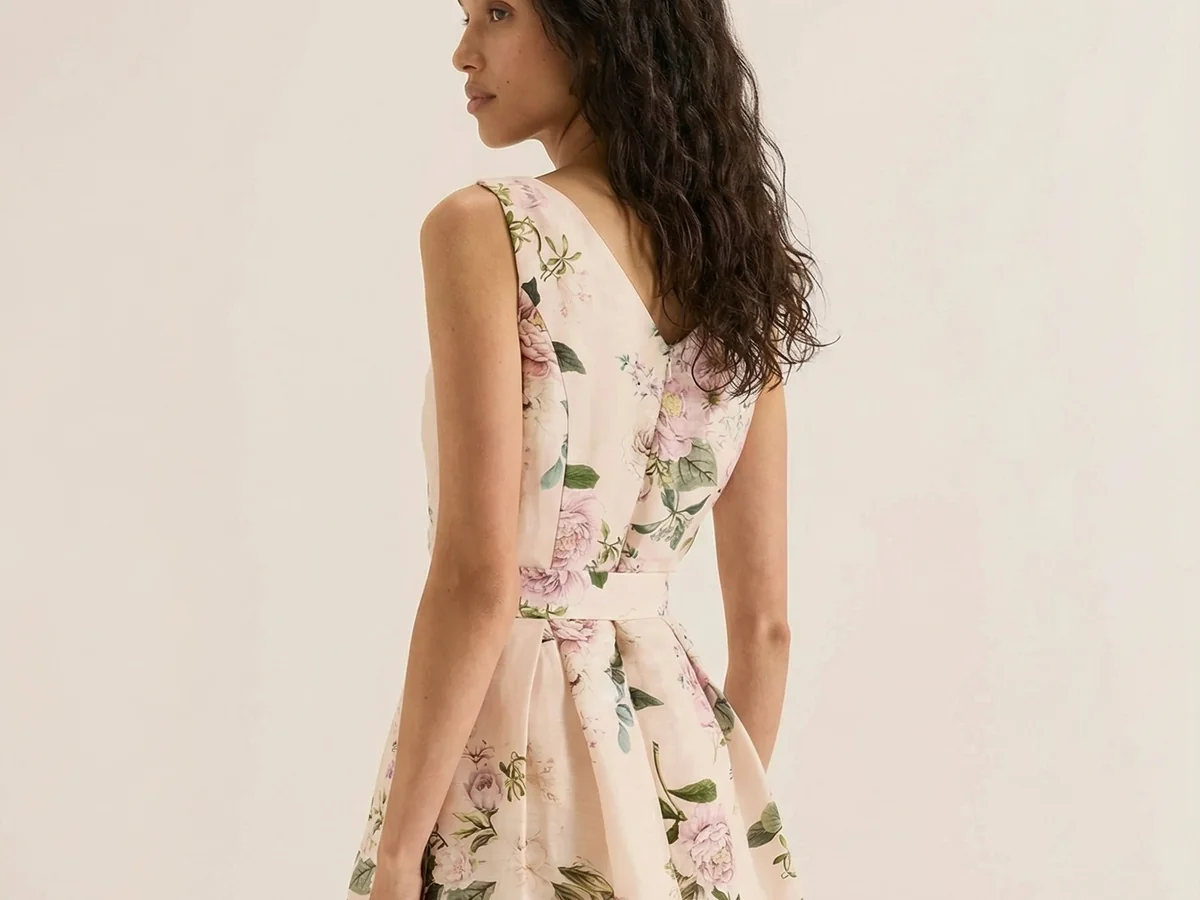
When European fashion giant Zalando tested AI-generated photos for a new collection, they cut their content production timeline from 8 weeks down to just 4 days — and slashed costs by a staggering 90%. Their secret? They now generate AI models for clothing for a huge portion of their editorial images. This isn’t just a passing trend; it’s a foundational shift in how brands create visuals that convert.

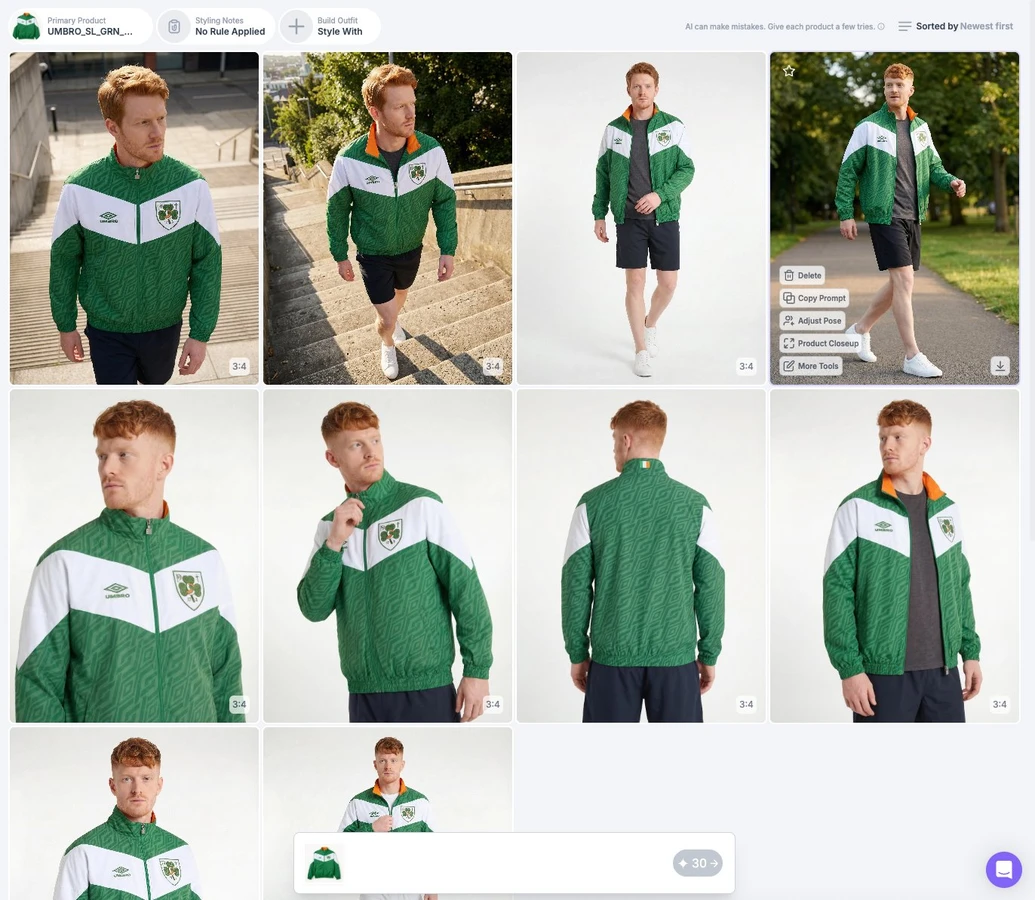
This guide is a practical walkthrough for replicating that same success. We'll move past the hype and into the details of planning, generating, and weaving AI models into your content pipeline. With a platform like Picjam, you can place your garments on a diverse range of AI-generated models and have a full set of commercial images ready in minutes.

A laptop displaying an online fashion store, a folded beige shirt, and a vintage camera on a white desk.

You’ll learn everything from prepping your product shots to crafting prompts that nail your brand’s unique vibe. The goal is to create studio-quality visuals without the logistical nightmare — or the budget — of traditional photoshoots.

How AI Slashes Creative Costs & Elevates Brand Storytelling

The financial argument is impossible to ignore. A McKinsey report found that AI can boost profits in retail and fashion by up to 60%, primarily by optimizing marketing and production. But the real win here goes way beyond the balance sheet.

The smartest brands aren't just using this tech to save money; they're using it to elevate their entire creative strategy. The ability to generate AI models for clothing gives teams the power to:

  • Test creative ideas at lightning speed. Forget planning one big, high-stakes photoshoot. You can now generate dozens of visual concepts in a single afternoon. This streamlines A/B testing for ad creative and social media posts to see what truly connects with your audience.
  • Dominate online marketplaces. High-quality, consistent on-model photography is everything on crowded platforms like Amazon or Zalando. AI ensures every single product is shown in its best light, on a model that reflects your target customer.
  • Lock in brand consistency. You can finally maintain a cohesive look across every channel. AI lets you use the same virtual models and settings for entire collections, creating a polished, professional feel that builds trust.

"AI model generation allows us to move at the speed of culture," notes a creative director for a prominent DTC apparel brand. "If a certain aesthetic is trending, we can create campaign imagery that taps into it instantly, rather than waiting weeks for a studio."

Why High-Quality Product Shots Are Non-Negotiable

When you generate AI models for clothing, the final image quality is almost entirely dictated by the quality of your input photos. It's a classic case of garbage in, garbage out. A crisp, well-lit product shot gives the AI clean, accurate data to work with. A low-quality one forces the AI to guess, which leads to distorted textures and unrealistic results.

Getting this foundational step right is non-negotiable.

A professional clothing photography studio setup with a beige blouse on a mannequin, camera, and lighting.

Think of this as your digital pre-production. Whether you're shooting on a mannequin, using a ghost mannequin setup, or doing a simple flat lay, your goal is to create a perfect canvas. This frees up the AI to focus its power on rendering a believable human model, not on trying to fix weird shadows or wrinkles from your source file.

Mastering Your Product Photography for AI

Your product photo is essentially the DNA for your final on-model image. The more detail and clarity you provide, the more lifelike the final output will be. It's a lesson big brands like Levi's have learned; investing in high-fidelity “digital twins” of their products dramatically cuts down on content costs later.

For the best results, your product shots need to hit a few key criteria:

  • High Resolution: Don't skimp here. Aim for images that are at least 2048x2048 pixels. This resolution allows the AI to capture fine details — the fabric weave, the stitching, and the texture of a button.
  • Consistent, Diffused Lighting: Harsh shadows are the enemy. The AI can misinterpret them as part of the garment itself. You need soft, even lighting to accurately show the product's true color and shape.
  • Clean Background: A simple, neutral background is your best friend. Pure white or light gray is ideal because it makes it incredibly easy for the AI to isolate the product.

Preserving Garment Integrity with a Digital Twin

The most sophisticated AI platforms don’t just slap your product image onto a model. Instead, they create what’s known as a digital twin of your garment. This isn't just a flat picture; it's a data-rich representation that understands the item's shape, texture, and how it's supposed to drape.

A tool like Picjam uses a ‘Fixed Product’ feature that essentially locks in every detail of your original photo.

This means when the AI generates a model wearing your item, it doesn’t alter the product itself. The coarse texture of a denim jacket stays coarse, the subtle sheen of a silk blouse is preserved, and the exact placement of your logo stays put. This is key to creating images that are not just visually appealing but also commercially accurate.

Vogue Business reports that brands adopting 3D and digital twin technologies can slash sample production costs by up to 50%. While AI model generation is a 2D process, the principle holds true: a high-fidelity digital asset is a powerful cost-saving tool.

How to Craft Scenes That Convert Customers

With high-quality product shots ready, you can shift from technician to art director. This is where you turn a simple photo of a garment into a story that makes people click "add to cart." Before touching the tech, the first decision is about your customer: who are they, and what kind of model will they connect with?

Instantly "casting" the perfect face for your brand is a huge advantage. Forget the back-and-forth with modeling agencies. You can pick from a massive range of AI models representing different ethnicities, ages, and styles.

This agility is how brands like Adanola, known for its inclusive activewear, can showcase gear on models that genuinely look like their customers — without the logistical headaches.

From Vague Ideas to Vivid Imagery with Prompt Engineering

With your model selected, it's time for prompt engineering — the art of telling the AI exactly what you want. A lazy, generic prompt will get you a lazy, generic image. Specificity is the secret sauce for creating visuals that feel like your brand and convert.

The market for generative AI in fashion is expected to skyrocket from $96.5 million in 2023 to a whopping $2.23 billion by 2032, according to a Precedence Research report. That growth is fueled by brands that have learned how to translate a creative brief into precise AI instructions.

It's one thing to say, “model wearing a dress.” It's another to say, “A confident woman with curly auburn hair smiling, posing on a sun-drenched Parisian street, wearing a floral summer dress, golden hour lighting.” That level of detail gives you control over everything from the model’s vibe to the time of day.

Prompt Engineering: From Vague to Vivid

Getting specific with your prompts is the difference between a forgettable stock photo and a compelling brand image. Here’s how to level up your instructions.

Vague PromptEffective PromptResulting Image Elements
"Woman in a jacket""Young professional woman, mid-20s, with dark hair in a sleek ponytail, walking briskly through a modern city square like Canary Wharf, wearing a tailored navy blue blazer, crisp white shirt. Morning light, slight motion blur."Model: Specific age, hairstyle, professional look.
Scene: Recognizable modern architecture.
Lighting: Clear morning light.
Action: Dynamic walking pose.
"Model on a beach""A joyful, athletic woman with sun-bleached blonde hair, laughing, running along a secluded white sand beach in the Bahamas at sunrise. She's wearing a lightweight, seafoam green linen shirt over a bikini. Soft, warm light."Model: Expressive, athletic body type.
Scene: Specific location, time of day.
Lighting: Warm sunrise tones.
Mood: Energetic and joyful.
"Man wearing a sweater""A thoughtful man in his late 30s with a short beard, sitting in a cozy, book-lined study with a fireplace. He's wearing a chunky, cream-colored Aran knit sweater and looking slightly off-camera. Warm, intimate indoor lighting."Model: Mature, specific expression.
Scene: Detailed, atmospheric interior.
Lighting: Warm, cozy, and directional.
Mood: Introspective and comfortable.

Details matter. They give the AI guardrails to produce something that not only looks real but feels emotionally aligned with your brand's story. Understanding clothing fit, like the concept of understanding 'ease' in sewing for a perfect fit, can also help you describe a more realistic drape.

Finalizing Your AI Visuals for E-commerce Success

Generating the initial image is just the opening act. The real magic happens in the post-generation workflow, where you refine, quality-check, and integrate your visuals to ensure they drive sales. Taking a raw AI output and making it e-commerce-ready separates a fun experiment from a scalable content machine.

Your first quality check is a critical eye for realism. Today’s tools are worlds better than early models, but you still need to be the final judge. Look for unnaturally smooth skin, patterns that distort weirdly, or shadows that don't make sense.

How to Achieve Pixel-Perfect Polish

Most top AI platforms have built-in tools for cleanup and refinement. These are your best friends for getting a polished look without jumping over to Photoshop for every little thing.

  • Cleanup Tools: Think of these as a magic eraser. You can paint over small blemishes, background distractions, or any weird pixels that pop up. These tools can fix minor flaws in seconds.
  • Upscaling: E-commerce lives and dies by high-resolution images, especially for zoom functionality. An upscaler can boost your image resolution, often by 2x or 4x, using AI to intelligently fill in details and keep photos crisp.

These touch-ups elevate an image from looking "AI-generated" to simply looking like a fantastic photograph. For a deeper dive, check out our guide to e-commerce photo editing.

Why A/B Testing with AI Is a Game-Changer

Here’s where AI truly transforms fashion marketing: A/B testing creative at scale. Imagine a brand like Reformation, with its distinct feminine vibe. They could test the same sundress on 3 different models against 5 different backgrounds to see which combo clicks with their Instagram audience.

That process used to mean multiple photoshoots and a hefty budget. Now, you can do it in an afternoon. You can generate dozens of variations to test:

  • Different Models: Does your audience respond better to a model with a certain hairstyle or expression?
  • Varied Backgrounds: Which performs better — a clean studio backdrop or a lifestyle shot on a Parisian street?
  • Lighting Changes: Is bright, high-key lighting the winner, or does a moody, golden-hour glow get more engagement?

Tracking click-through rates and conversions gives you hard data on what visual elements actually move the needle. This turns creative direction into a data-backed strategy that directly boosts your bottom line.

Navigating the Ethics and Licensing of AI Models

As you start to generate AI models for clothing, it's critical to consider the ethical and legal side. The biggest issue is licensing. Pulling AI models from random internet images is a legal minefield of likeness rights. This is why using a reputable, commercially-focused platform is non-negotiable.

The best platforms build their models ethically, ensuring they aren't based on any single real person’s likeness. They provide royalty-free images, meaning once you create an image, it’s yours. You can use it across all marketing channels without worrying about usage fees or model releases. This is a massive hidden cost saving compared to traditional photography.

Your 3-Step Game Plan to Get Started

Let's cut through the theory and get right to what you can do today. The goal is to prove the concept fast by demonstrating the immediate cost and time savings of generating AI models for clothing.

AI Image Workflow diagram illustrating three key steps: 1. Assess, 2. Refine, 3. Integrate.

1. Start with Your Best-Sellers

Audit your existing product photography. Identify your top 5 best-selling items that already have clean, high-resolution flat lay or mannequin shots. These are your perfect test subjects because high-quality inputs are the secret to ridiculously realistic outputs. This approach allows you to quickly merchandise typical e-commerce apparel collections.

2. Choose a Tool Built for Fashion

Don't get bogged down in complicated open-source models. Start with a user-friendly platform like Picjam that’s designed for e-commerce fashion brands. This will slash your learning curve and get you to jaw-dropping results in a fraction of the time.

3. Build a Brand Style Guide for AI

Create a 'prompt library' for your brand. This is a huge time-saver. Develop 3–5 core prompts that lock in your brand’s visual DNA — think specific model personas, common scenes, and lighting styles. Documenting these is key to maintaining consistency and letting anyone on your team generate on-brand content in minutes.

A simple prompt library might look like this:

  • Studio Look: "Minimalist studio with soft morning light, neutral grey background."
  • Urban Vibe: "Candid shot on a cobblestone street in SoHo, blurred background, confident walking pose."
  • Lifestyle Scene: "Relaxing in a bright, airy cafe with indoor plants, warm afternoon lighting."

This is exactly how major brands are achieving such wild efficiency. They're not reinventing the wheel for every shot. According to the AI adoption metrics from the Ethical AI Alliance, this is how brands like Zalando are seeing 90% cost reductions.

Takeaway

  • Start with Quality Inputs: The realism of your AI-generated models depends entirely on your source product photos. Prioritize high-resolution, well-lit images on a clean background for the best results.
  • Be Specific to Be Effective: Vague prompts lead to generic images. Create a prompt library with detailed descriptions of your target model, scene, and lighting to maintain brand consistency and create compelling visuals.
  • Choose Ethical, Commercial-Ready Tools: Work only with platforms that provide ethically sourced, royalty-free AI models. This avoids legal risks and eliminates the hidden costs of model licensing and usage fees.

Ready to see how much your brand could save? Compare your current photoshoot costs with AI using our savings calculator.

About

Picjam team

The Picjam team blends AI, product, and creative expertise to eliminate the cost and delay of traditional photography for modern eCommerce brands.