How to Increase Amazon Sales: A Playbook for Fashion Brands
Learn how to increase Amazon sales with our modern playbook for fashion brands. Master listing optimization, AI-powered visuals, PPC, and review management.
When luxury brand Ganni wanted to increase Amazon sales for its new handbag line, they didn't just upload photos — they created a full visual narrative. This isn't just about text and images; it's about crafting keyword-rich titles, writing benefit-driven bullet points, and using stunning visuals to turn casual browsers into loyal buyers.
A fully optimized listing is the bedrock of everything else, from advertising to promotions. For fashion brands, this means creating a digital flagship that not only looks good but performs.
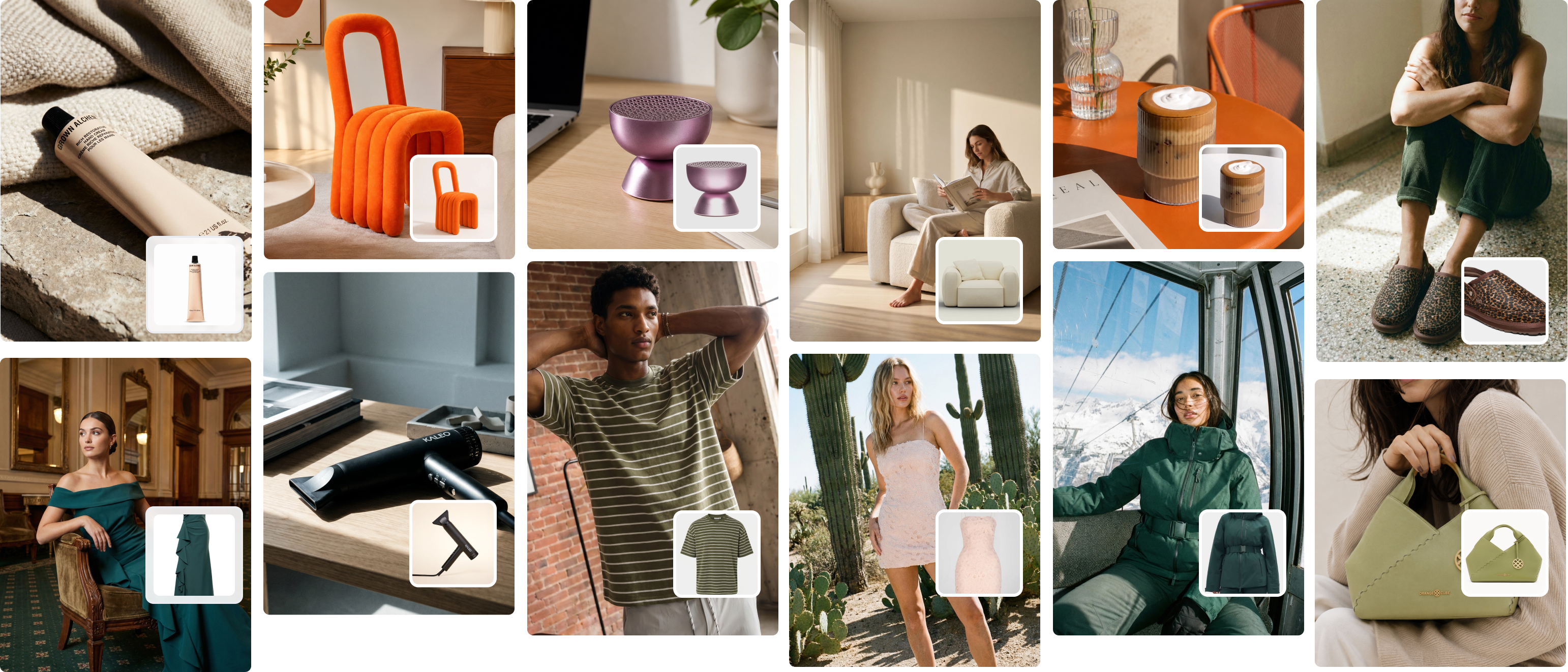
With platforms like Picjam, brands can now generate studio-quality lifestyle and on-model visuals in minutes, cutting content production costs and timelines significantly.
Build a High-Converting Amazon Listing That Sells
Think of your Amazon product page as your digital flagship store. In the crowded fashion marketplace, every element must pull its weight.
Your title, images, and bullet points must work together to grab a shopper's attention and convince them to click "Add to Cart."
This isn't just about aesthetics; it's a fundamental strategy for climbing organic rankings and maximizing your ad spend.
Look at how major players like Zara or ASOS structure their product pages. Their titles blend brand voice, critical details like "midi dress," and search terms people actually use.

Craft Titles That Capture Clicks
Your title is arguably the most important element for your Amazon SEO. It must appeal to a human reader while being perfectly tuned for Amazon's A9 algorithm.
For apparel, a winning title formula looks like this:
- Brand Name: Start here to build trust and recognition.
- Key Product Type: What is it? (e.g., "Women's V-Neck T-Shirt")
- Material or Key Feature: What's special about it? (e.g., "100% Organic Cotton")
- Defining Detail: Think color, style, or occasion. (e.g., "Vintage Wash," "Summer Casual")
A lazy title like "Blue Dress" leaves money on the table. A powerful title like "Brand Name Women's Silk Slip Midi Dress — V-Neck Sleeveless Cocktail Party Gown" answers multiple search queries at once, dramatically expanding its reach.
Write Bullet Points That Convert
Once they've clicked, your bullet points must do the heavy lifting. The biggest mistake brands make is listing features instead of benefits.
Nobody cares that your sweater is "100% Cashmere." They care why that matters. Translate the feature into a benefit: "Ethically Sourced Grade-A Cashmere for Unmatched Softness and Warmth."
Your bullet points need to answer the shopper's key questions:
- How does it fit? "Relaxed, slightly oversized fit for effortless layering."
- What's the fabric like? "Breathable, lightweight linen blend that keeps you cool on hot days."
- How do I take care of it? "Machine washable on a gentle cycle for easy care."
Use Backend Keywords for Hidden Power
Backend keywords are your secret weapon. These are search terms you add in Seller Central that shoppers never see, but Amazon's algorithm does.
This is the perfect place for terms that don't fit in your title or bullets:
- Synonyms and related terms (e.g., "pashmina" for a "shawl").
- Common misspellings (yes, really!).
- Long-tail keywords that sound awkward in customer-facing copy.
This tactic helps you capture a much wider net of search traffic without making your listing sound robotic.
To ensure all this traffic converts, you need a solid strategy. It's one thing to get clicks, but another to secure the purchase. It's crucial to explore proven strategies to increase conversion rates and boost sales.
Amazon Listing Optimization Checklist
This table breaks down the core components of a product listing built to convert. Use it as a quick reference when creating new listings or auditing existing ones.
How AI Visuals Cut Content Costs by 40%
In fashion e-commerce, visuals are the sales pitch. Gone are the days when a simple flat-lay photo on a white background was enough.
If you're serious about figuring out how to increase Amazon sales, you must create a visual narrative that stops a customer mid-scroll.
This isn't just about meeting Amazon's technical requirements; it's about exceeding customer expectations. Shoppers want to see the product in their lives.
Beyond the Main Image: A Modern Image Stack
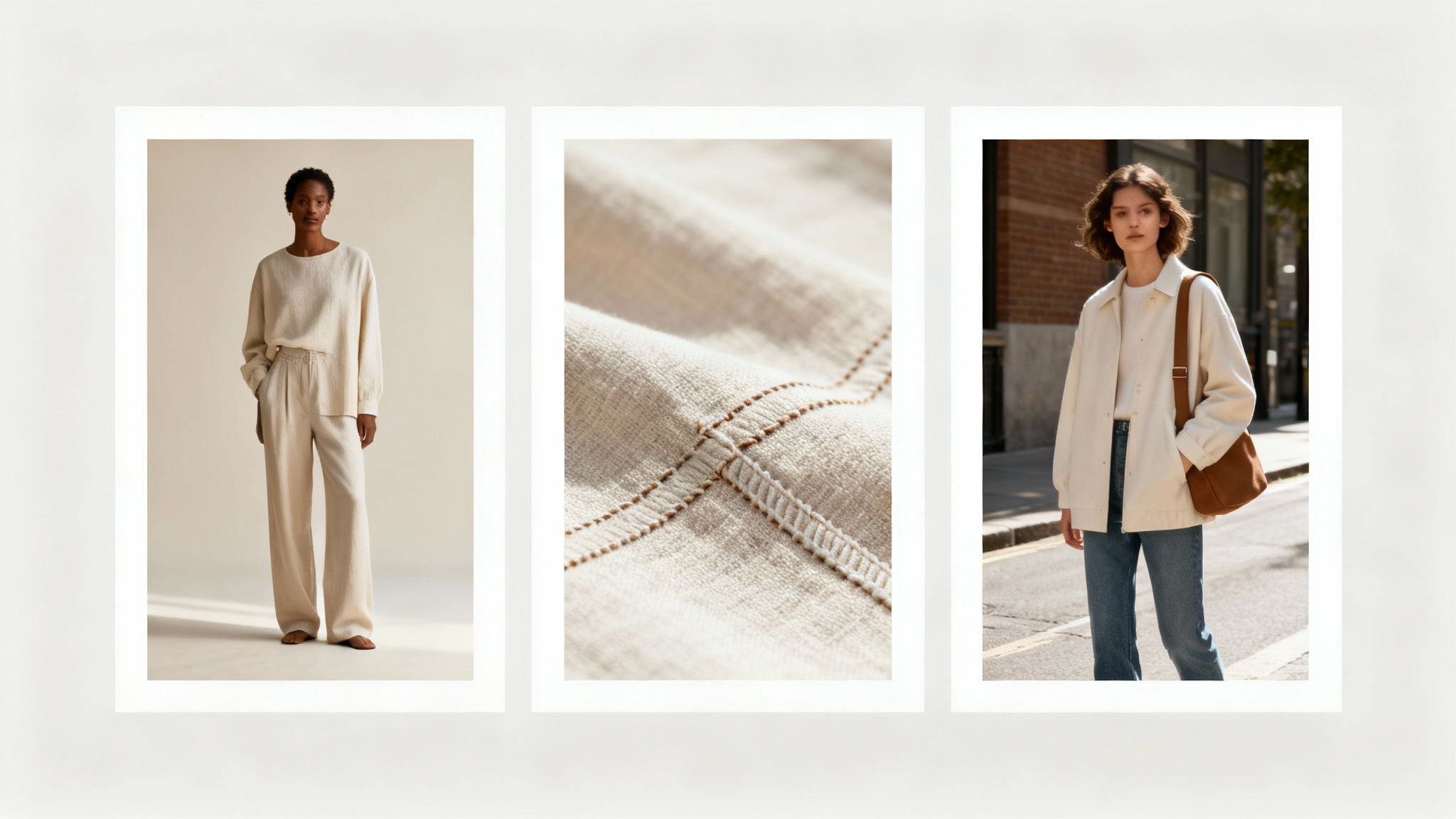
Leading fashion brands build an "image stack" — a thoughtful collection of visuals designed to answer every question and build desire.
Take a brand like Reformation. When they list a dress, they provide the full experience:
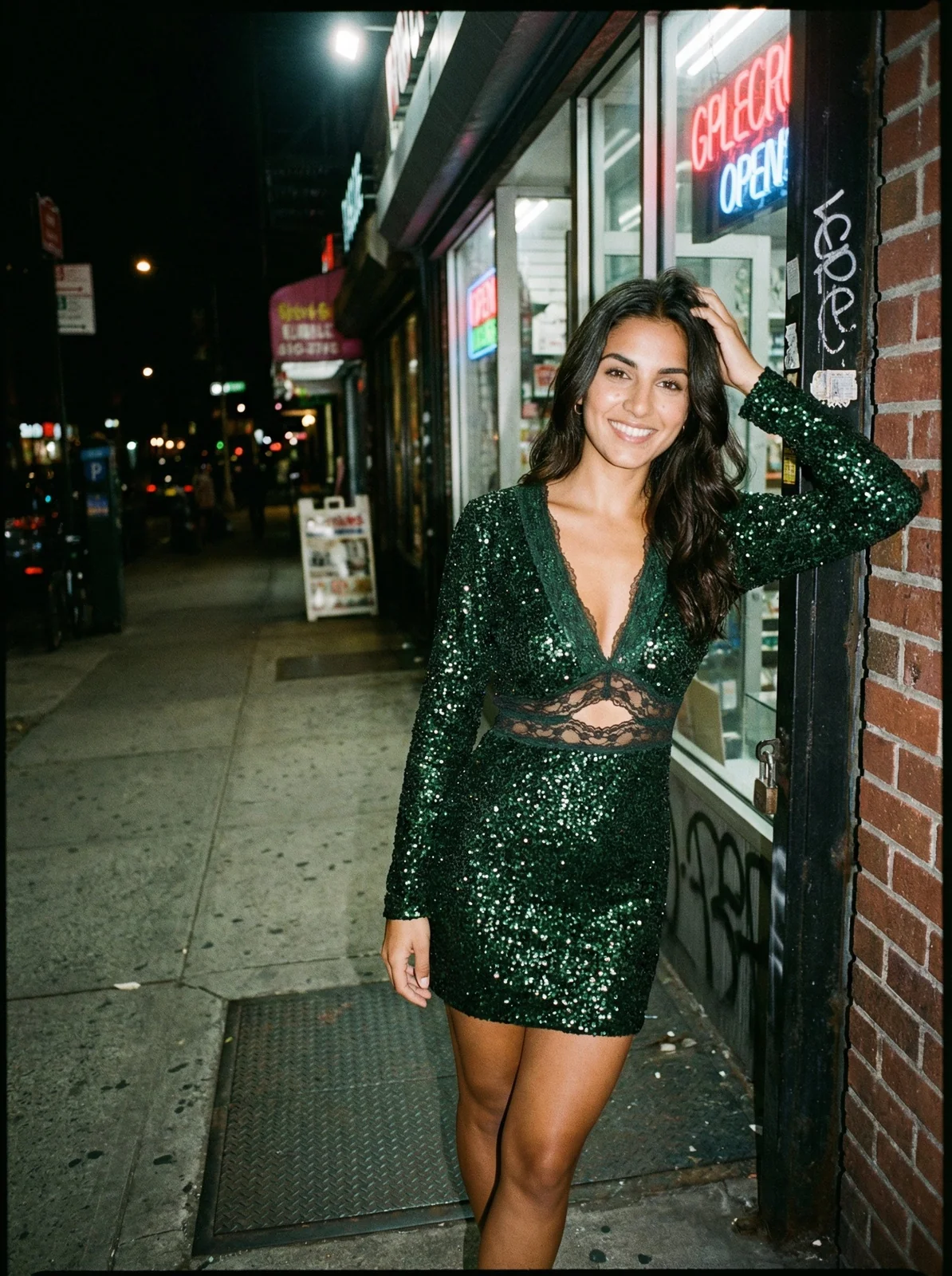
- On-Model Hero Shots: Clean, studio-quality images showing the full silhouette and fit.
- Lifestyle Context: The same dress worn in a real-world setting like a café or city street.
- Detailed Close-Ups: High-res shots that show off fabric texture and stitching quality.
- Movement and Drape: A quick video or GIF showing how the fabric moves.
This approach transforms a flat listing into a rich, tactile experience. For a full rundown of technical rules, check our guide on Amazon product image requirements.
How AI Unlocks Studio-Quality Visuals for Less
Creating this visual variety used to require expensive photoshoots with models, stylists, and long turnaround times. This was a huge barrier for growing brands.
This is where AI is changing the game. Platforms like Picjam can take one basic product photo and generate an entire virtual photoshoot in minutes, creating massive savings.
Brands can generate a set of visuals with diverse AI models, multiple angles, and on-brand backgrounds without a physical studio.
A recent McKinsey report found that generative AI could add between $150 billion and $275 billion to the apparel, fashion, and luxury sectors' operating profits. This is happening now through massive cost savings in content production.
This means brands can now afford to create fresh content for A+ modules, seasonal lookbooks, and social campaigns without draining their budget. This levels the playing field.
Create Conversion-Focused A+ Content
Your A+ Content is where visual storytelling truly shines. Use this space to build a narrative, not just dump more photos.
Think of it as a mini-magazine spread. Design compelling layouts that mix lifestyle images with text callouts to spotlight key benefits.
For example, an outdoor apparel brand could show their jacket on a model during a hike. An image of the jacket in the rain could pair with text that says, "100% Waterproof Seams — Stay Dry on Any Adventure."
This combination of inspiring visuals and benefit-driven text is far more persuasive than a simple feature list.
Master Amazon PPC for Targeted Growth
Once your listing is primed for conversions, it's time to drive high-intent traffic. This is how you shift from passively hoping for sales to proactively growing your brand.
For fashion brands, a smart ad strategy is the best tool for launching new collections and gaining market share. The heart of this is Amazon Pay-Per-Click (PPC).
It's not about burning cash; it's about making surgical investments to capture existing demand and put your products in front of shoppers at the exact moment they're ready to buy.
Structure PPC Campaigns for Fashion Goals
A one-size-fits-all ad strategy doesn't exist. A brand like Allbirds wouldn't use the same campaign to launch a new sneaker as they would for a year-end clearance sale.
Let's break down the main campaign types:
- Sponsored Products: These are the ads you see in search results and on other product pages. They are essential for driving sales to your core products.
- Sponsored Brands: Think of these as your digital billboard at the top of search results, perfect for building brand awareness and showcasing new collections.
- Sponsored Display: This is your secret weapon for retargeting. These ads follow shoppers who viewed your products but didn't buy, reminding them of what they're missing.
For brands that need expert guidance on Amazon PPC, working with a specialist agency can help dial in your advertising strategy from day one.
How AI-Powered Visuals Supercharge Your Ads
The single most impactful lever you can pull to improve ad performance is your creative. A scroll-stopping image earns the click.
Traditionally, testing different ad visuals meant booking expensive, time-consuming photoshoots for every variation. AI content creation shatters that old model.
With a platform like Picjam, you can take one studio photo of a new handbag and instantly generate 5 different ad creatives for A/B testing.
Imagine testing that bag with an AI model on a Parisian street, then against a clean studio backdrop, all generated in minutes for a fraction of the cost.
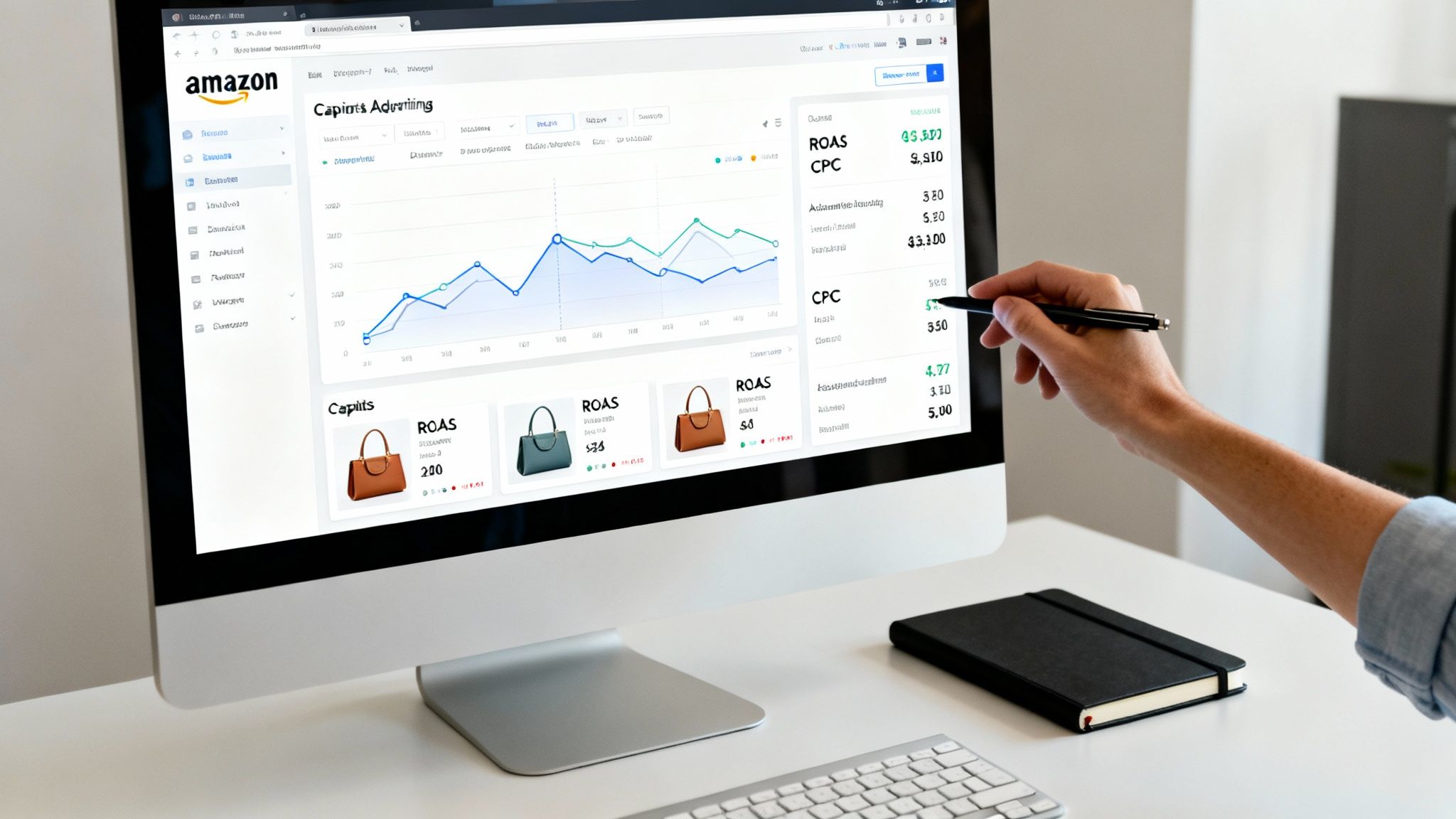
This speed allows you to find the exact visual style that resonates with your audience, directly lowering your customer acquisition cost and improving your return on ad spend (ROAS).
Amazon's Prime Day saw $12.9 billion in US sales in 2023, highlighting the immense opportunity for prepared brands. This underscores the need for powerful visuals, especially as US fashion e-commerce is projected to hit $203.4 billion by 2028.
Expand Reach with the Demand-Side Platform
Once you've mastered PPC, Amazon's Demand-Side Platform (DSP) is the next level. It allows brands to programmatically buy ad placements across the entire web.
While PPC is fantastic for capturing existing demand on Amazon, DSP is all about creating new demand.
For a fashion brand, this means reaching potential customers browsing luxury accessory blogs or searching for sustainable fashion and guiding them back to your Amazon listings.
Nail Your Pricing and Promotions
Pricing on Amazon is a balancing act. Too high, and you lose the Buy Box. Too low, and you devalue your brand and kill your margins.
The secret is having the smartest price. This means blending intelligent pricing with strategic promotions to build sales velocity, a key factor in Amazon's ranking algorithm.
A well-timed promotion can kickstart a surge in sales, signaling to Amazon that your product is hot and pushing you higher in search results.
Win the Buy Box Without a Price War
The Buy Box is responsible for over 82% of sales. Winning it isn't just about price. Amazon's algorithm considers fulfillment method (FBA is heavily favored), stock levels, and seller ratings.
For fashion brands, brand perception is critical. A company like Allbirds can't slash prices without eroding its premium, sustainable image.
The goal is to find the competitive "sweet spot" — a price that respects your brand position while playing nice with Amazon's algorithm.
Dynamic pricing tools can be a game-changer, automatically adjusting your prices within set limits to stay competitive 24/7 without manual oversight.
Use Promotions to Create Urgency
Amazon offers a powerful set of promotional tools designed to encourage immediate purchases. These are psychological triggers that can boost your conversion rate.
- Amazon Coupons: These appear as a bright orange tag next to your price, grabbing the shopper's eye and creating the feeling of a special deal.
- Prime Exclusive Deals: Available only to Prime members, these tap into a highly engaged customer base, especially during events like Prime Day.
- Lightning Deals: These are short-term, high-visibility promotions on Amazon's "Today's Deals" page, creating a sense of FOMO that drives immediate action.
Using these tools strategically can do wonders. A new shoe brand could launch with a 15% off coupon to generate crucial first sales and reviews.
Amazon Promotional Tools Comparison
This table breaks down the main options to help you align the tool with your specific business goals.
Align Promotions with Key Shopping Events
Your promotional strategy must be anchored to the e-commerce calendar. A smart promotion during a peak shopping period can deliver a massive return.
Imagine how a brand like Allbirds might plan its year. They could run a Prime Exclusive Deal during Prime Day and use Lightning Deals during Black Friday to move seasonal colors.
This calendar-based approach ensures your brand is front-and-center when millions of shoppers are ready to buy.
Cultivate Reviews and Manage Brand Reputation
Social proof is the currency of Amazon. A staggering 93% of consumers say online reviews influence their buying decisions.
When a shopper sees two identical pairs of leggings, one with 2,000 four-star reviews and another with just 12, the choice is a reflex.
A strong review base builds trust and provides direct customer feedback. Brands like Lululemon have built a fortress of social proof that validates every item. This is a non-negotiable part of any plan for how to increase Amazon sales.
Proactively Generate Authentic Reviews
Waiting for reviews to trickle in is a slow path to growth. Amazon provides powerful, ethical tools to encourage customer feedback.
- Amazon's 'Request a Review' Feature: Inside Seller Central, you can send a standardized, Amazon-approved email to customers between 5 and 30 days after delivery. Make this a weekly habit.
- Amazon Vine Program: This program invites Amazon's most trusted reviewers (Vine Voices) to receive your product for free in exchange for an honest review. It's a game-changer for new launches, quickly seeding a listing with high-quality reviews.
Actively Manage Your Reputation
How you engage with customer feedback is a public display of how much you care.
When a customer leaves a positive review, a quick public thank you shows you're an engaged brand.
How you handle negative reviews is what truly matters. A prompt, professional, and helpful response can neutralize its sting. Offer a solution and show you understand their frustration.
Turn Feedback into a Goldmine
Beyond protecting your star rating, reviews are free market research. Are several people saying a dress runs small? That's a clear signal to update your sizing chart or add a note to your bullet points.
This feedback loop is incredibly powerful. By directly addressing common concerns in your A+ Content, you build confidence and cut down on returns.
Your Action Plan for Immediate Growth
We've covered what it takes for fashion brands to win on Amazon. Now, let's put it into a focused, high-impact game plan.
This isn't about tackling everything at once. It's about making smart, targeted changes that build momentum right away.
The goal is to create a testable growth loop. By dialing in one listing and pushing targeted traffic to it, you can find a repeatable model to roll out across your entire catalog.
Your First 3 Steps to Higher Sales
First, pick 3 of your top-selling ASINs. Overhauling these pages will deliver the quickest return.
- Nail the Foundation: Go back to the listing optimization framework. Rewrite your titles, craft benefit-driven bullet points, and max out every backend keyword field.
- Elevate Your Visuals: Choose one optimized listing as your "hero" product. Use an AI tool like Picjam to generate a fresh set of on-model and lifestyle images. This is the fastest way to get a dramatic visual upgrade and save on traditional photoshoot costs.
- Test and Measure: Launch a small, highly targeted Sponsored Products campaign pointed directly at that single ASIN. This isolates the variable, letting you test the true impact of your new visuals and copy on click-through rates and conversions.
This focused approach creates a crystal-clear, measurable feedback loop.
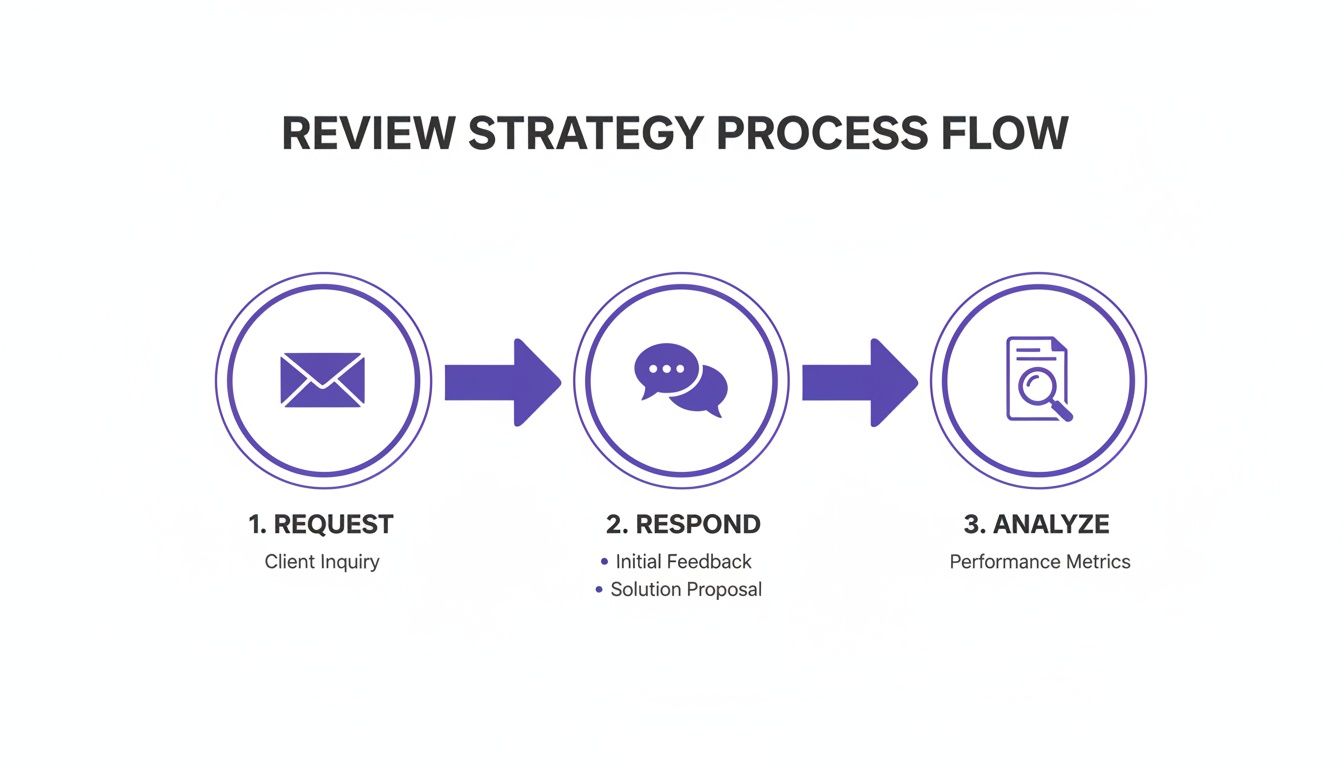
This simple flow — Request, Respond, Analyze — is a constant cycle. The brands winning on Amazon are agile, data-obsessed, and visually irresistible.
Takeaway
To increase Amazon sales, start by optimizing your product listings with keyword-rich titles and benefit-driven bullet points. This is your foundation for all other efforts.
Next, elevate your product visuals beyond basic studio shots. Use lifestyle and on-model imagery to tell a story. AI tools can streamline this process, saving significant time and money compared to traditional photoshoots.
Finally, implement a proactive review generation strategy using Amazon's "Request a Review" feature and the Vine program to build social proof and customer trust.
Ready to see how much you could save on photography while creating higher-converting visuals? Use the Picjam savings calculator to compare your current costs and see the financial impact of AI firsthand.

Picjam team
The Picjam team blends AI, product, and creative expertise to eliminate the cost and delay of traditional photography for modern eCommerce brands.