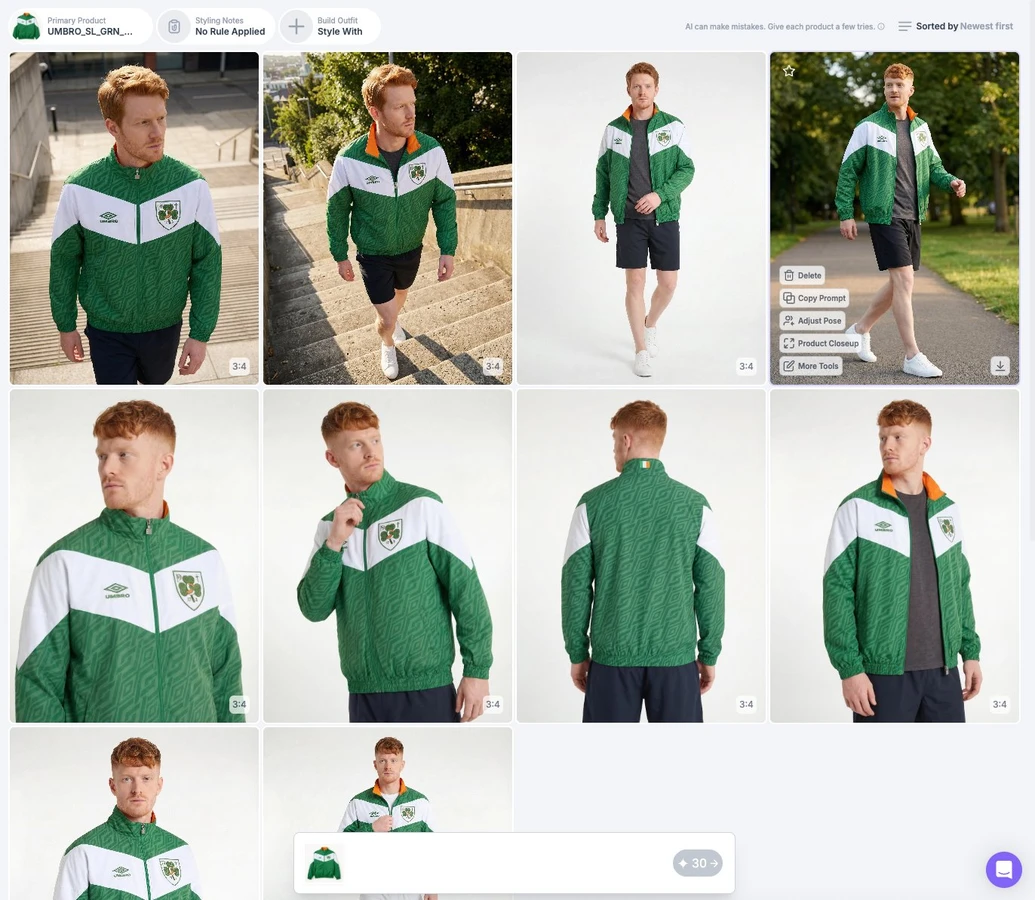
Explore ai models for e-commerce and see how brands cut costs, personalize experiences, and boost sales with practical strategies.
Lorem ipsum dolor sit amet, consectetur adipiscing elit lobortis arcu enim urna adipiscing praesent velit viverra sit semper lorem eu cursus vel hendrerit elementum morbi curabitur etiam nibh justo, lorem aliquet donec sed sit mi dignissim at ante massa mattis.
Vitae congue eu consequat ac felis placerat vestibulum lectus mauris ultrices cursus sit amet dictum sit amet justo donec enim diam porttitor lacus luctus accumsan tortor posuere praesent tristique magna sit amet purus gravida quis blandit turpis.

At risus viverra adipiscing at in tellus integer feugiat nisl pretium fusce id velit ut tortor sagittis orci a scelerisque purus semper eget at lectus urna duis convallis. porta nibh venenatis cras sed felis eget neque laoreet suspendisse interdum consectetur libero id faucibus nisl donec pretium vulputate sapien nec sagittis aliquam nunc lobortis mattis aliquam faucibus purus in.
Nisi quis eleifend quam adipiscing vitae aliquet bibendum enim facilisis gravida neque. Velit euismod in pellentesque massa placerat volutpat lacus laoreet non curabitur gravida odio aenean sed adipiscing diam donec adipiscing tristique risus. amet est placerat imperdiet sed euismod nisi.
“Nisi quis eleifend quam adipiscing vitae aliquet bibendum enim facilisis gravida neque velit euismod in pellentesque massa placerat”
Urna ut fermentum imperdiet lacus, elementum etiam maecenas libero nunc, suspendisse massa, nisl, elit curabitur feugiat in quis ut nibh enim in tristique aliquam sed vitae dui, dis adipiscing pharetra aliquam turpis turpis nibh rhoncus enim, pellentesque leo laoreet neque in sed bibendum fermentum suspendisse tempus non purus adipiscing suscipit fringilla adipiscing convallis dolor nulla fermentum facilisis ullamcorper ut vehicula tortor libero metus donec velit, tristique fermentum, dictum euismod diam scelerisque enim non pharetra tristique lectus habitant pharetra est id
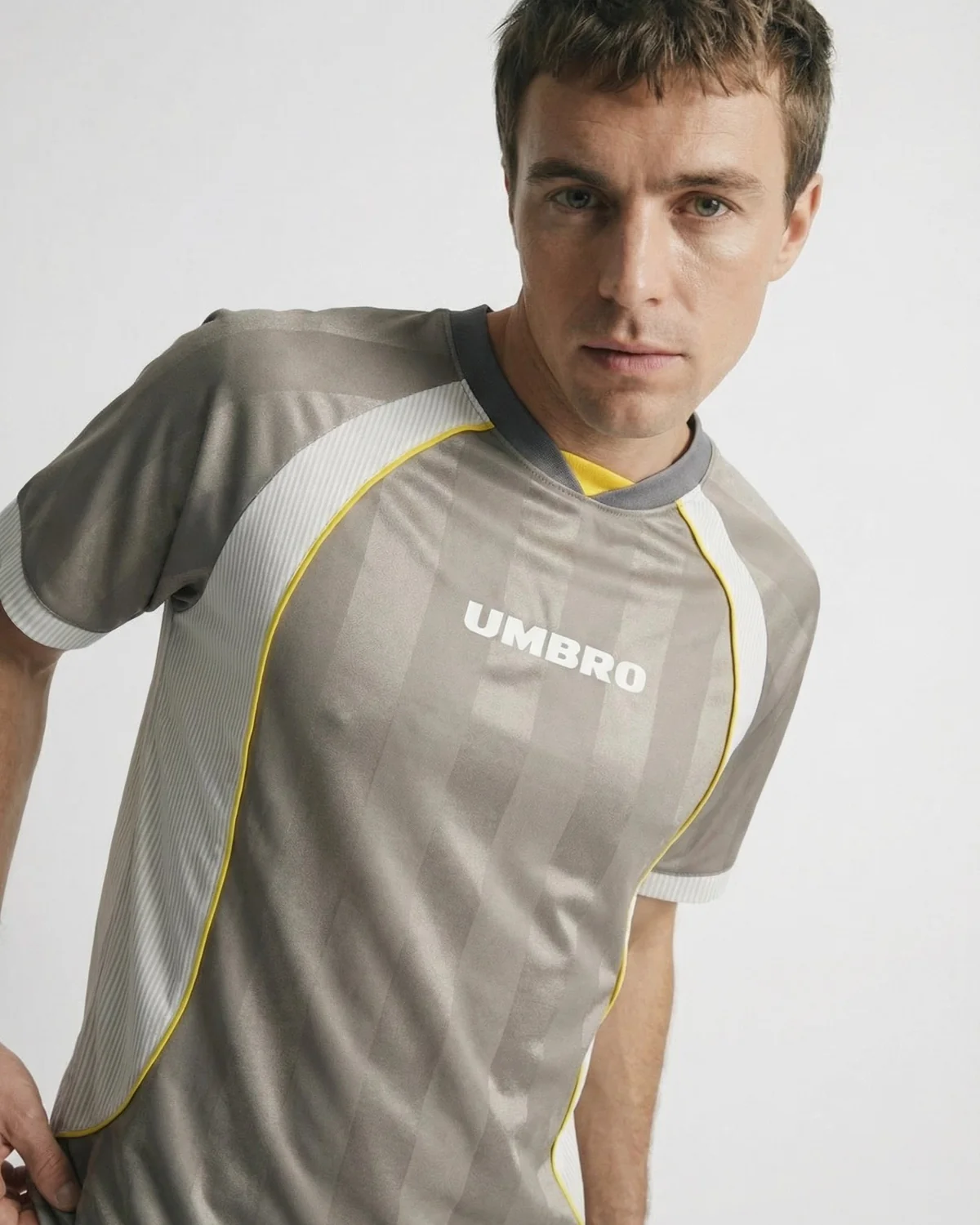
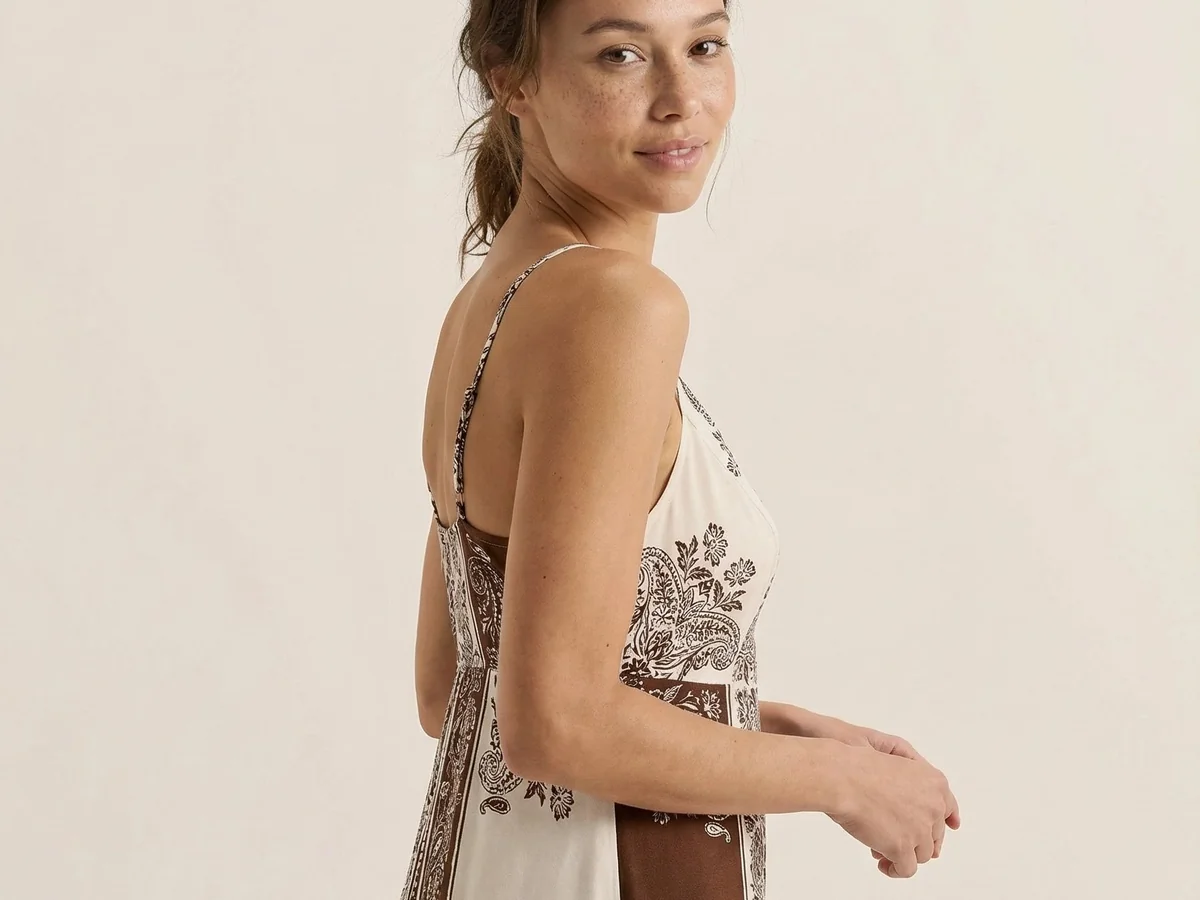
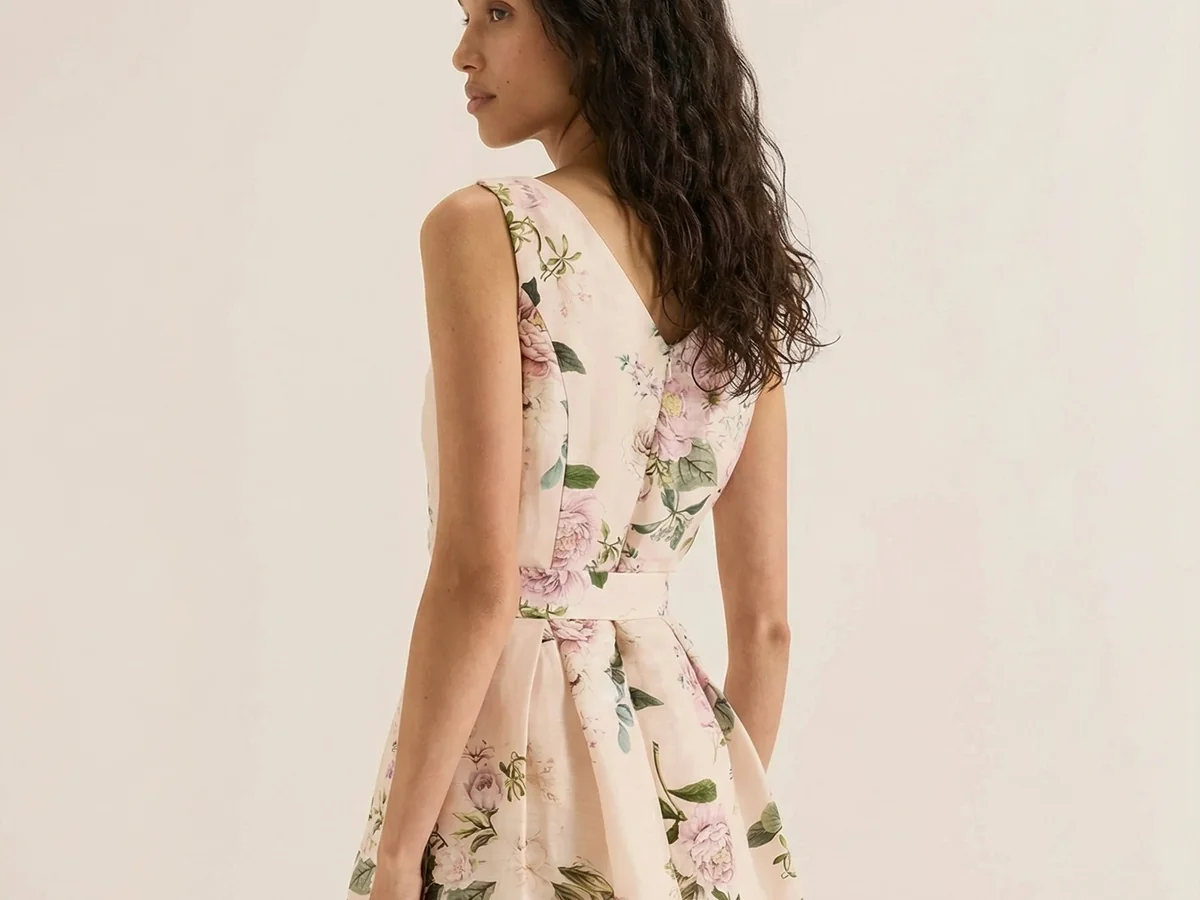
When the cult Danish fashion brand Ganni wanted to scale its product imagery for a global audience, they didn't book more flights or hire more models. Instead, they turned to generative AI to create a diverse set of on-model photos, minus the logistical nightmare.
This isn't a far-off concept — it's exactly how top brands are using specific AI models for e-commerce to solve very real business problems, right now.
This guide will pull back the curtain on the technology driving this shift, breaking down the 5 essential AI models every fashion brand should have on their radar. We'll look at computer vision, generative AI, recommendation engines, natural language processing (NLP), and personalization algorithms not as buzzwords, but as practical tools.
For example, platforms like Picjam use generative models to spin a single, flat product photo into an entire lifestyle campaign, saving brands thousands on photoshoots. We'll walk through each model with clear, fashion-focused examples that show how they can sharpen operations, create better customer experiences, and deliver serious cost savings. When you combine these tools with broader actionable strategies to increase e-commerce sales, you create a powerful engine for growth.
The infographic below gives you a bird's-eye view of the core AI models reshaping fashion e-commerce today.

As you can see, these technologies are all connected. But it’s often generative AI that makes the most visible and immediate splash, especially when it comes to creating content.
Before we get into the weeds, let's start with a quick rundown of the AI models we’ll be covering and what they actually do in a fashion e-commerce setting. Think of this table as your cheat sheet.
These technologies aren't just for tech giants anymore. If you're curious about how generative tools specifically create such realistic digital people, our deep-dive on AI fashion models breaks the whole process down.
If you've heard of generative AI, you probably think of it as a creative engine — something that spits out new content from old data. For fashion, that’s exactly what it is. It's the key to generating everything from photorealistic model imagery to compelling product descriptions and ad copy.
Think of it as a digital content studio that never sleeps. It’s no wonder brands like Zara and H&M are already using this tech to visualize designs on different body types and create synthetic campaign imagery. This completely sidesteps the need for traditional photoshoots, which can easily cost upwards of $20,000 per day.
The savings are immediate and massive. What once required a whole crew — photographers, models, stylists, and location scouts — can now be done with a few clicks. Platforms like Picjam are leading the charge, giving brands a virtual model studio to generate entire photoshoots in an instant.

Traditionally, launching a new collection is a painfully slow process. A typical photoshoot can take weeks, sometimes months, just to plan, shoot, and edit. That lag between finalizing a product and getting it to market is a huge bottleneck, delaying revenue.
Generative AI crushes that timeline, shrinking it from months down to minutes. This isn't just about moving faster; it's a genuine strategic advantage. Brands like Everlane can now jump on micro-trends, test out new styles, and refresh marketing creative on the fly — all without booking a single studio.
Imagine testing a new dress against 5 different lifestyle backgrounds for your social ads, all in one afternoon. That's the kind of agility that lets you make data-driven decisions about what creative actually works, helping you optimize ad spend and boost conversions.
“It really makes your work easier to be able to sketch something out through AI, show it to your client or boss and then have them give feedback on that, versus creating multiple iterations of the same product. It’s a real efficiency driver.” — Christina Inge, Harvard Division of Continuing Education Instructor
Beyond just saving money, generative AI models for e-commerce unlock a whole new world of creative freedom. Brands are no longer stuck with the physical limits of a photoshoot, like finding the right location, casting models, or dealing with bad weather.
This tech is a playground for experimentation. A brand can instantly see its summer collection on a diverse range of models, placing them in a Parisian cafe, on a Tokyo street, or in a minimalist studio. And it can all be done from the exact same set of flat product images.
This opens up massive opportunities for:
The power to create an endless stream of varied, high-quality AI clothing product photos at scale means your marketing never feels stale. This constant flow of fresh content keeps your audience engaged and boosts performance everywhere. The result is a more nimble, cost-effective content pipeline that doesn't sacrifice quality.
Think of computer vision models as the digital ‘eyes’ of your e-commerce operation. They’re built to interpret and make sense of visual information, just like we do, but on a massive scale across all your product images and videos. For a fashion brand, this isn't just a neat trick — it's an invaluable tool for automating the grind of catalog management.
Instead of someone manually tagging every single product with attributes like ‘v-neck,’ ‘floral print,’ or ‘denim,’ computer vision algorithms get it done instantly. And they do it with stunning accuracy.
This kind of automation powers game-changing features like visual search. Imagine a customer snaps a photo of a jacket they love on the street. With visual search, they can upload that picture, and your store can immediately pull up visually similar items from your inventory. This is one of the key AI models for e-commerce that closes the gap between seeing something you love and being able to buy it.

Personal styling service Stitch Fix is famous for using this exact technology. Its models analyze images of a customer's existing wardrobe and style preferences, which gives its human stylists a huge head start in making better, more personalized recommendations. The efficiency gain is enormous.
The real win with computer vision isn't just about getting tags right; it's about reclaiming human hours. Manually tagging a 1,000-product catalog can easily eat up hundreds of hours of mind-numbing, repetitive work. Computer vision can knock out the same task in minutes, freeing up your team to focus on strategic, creative work that actually grows the brand.
This also makes your life easier on the backend. With accurate, automated tagging, your internal search becomes way more powerful, making it simpler for your team to find specific assets and manage inventory. That kind of operational smoothness is crucial as your collections expand and your catalog gets more complex.
This shift is part of a much bigger trend. The artificial intelligence market in e-commerce is projected to explode from $177 billion in 2023 to a staggering $2,745 billion by 2032. With over 90% of retailers planning to invest in AI by 2025, the brands that automate successfully are seeing returns up to 6 times faster than their competitors. You can discover more about these e-commerce technology trends and what they mean for brand growth.
Beyond organizing your catalog, computer vision directly elevates the customer journey. Once you can understand the visual DNA of your products, you can build much smarter experiences right on your site.
These features make discovering products more intuitive and fun, guiding customers straight to the items they're most likely to buy.
By turning images into searchable, structured data, computer vision transforms your product catalog from a static library into a dynamic, intelligent sales tool.
This process ensures that every visual detail of your apparel — from the texture of a fabric to the cut of a silhouette — becomes a data point you can use to create a better shopping experience.
Think of a recommendation engine as your store's very own personal shopper, one that knows your customer's tastes inside and out. These AI models for e-commerce are the brains behind the operation, watching browsing history, purchase data, and even just the items a customer lingers on to create a uniquely personal shopping trip.
Ever noticed how Amazon suggests items ‘Frequently Bought Together’? Or how ASOS slides in a ‘You Might Also Like’ carousel just when you’re about to check out? That’s a recommendation engine doing its job.
For fashion brands, this isn't just a neat feature; it's a direct line to a higher average order value (AOV) and fiercely loyal customers. By showing people the right products at the right time, you're not just selling — you're helping them build a complete look they might have otherwise missed.

This tech is way past simple popularity contests. A report from McKinsey found that 71% of consumers now expect personalization, and brands that nail it generate 40% more revenue than their peers.
At their heart, recommendation engines run on 2 main ideas. Getting a handle on them will help you pick the right approach for your brand.
Many of the top players, like Rent the Runway, actually blend both methods to create smarter hybrid models. This gives you more spot-on suggestions and avoids the "echo chamber" where a shopper just sees endless variations of what they've already bought.
The real power of recommendation engines shines when you place them strategically all over your site. Luxury retailer Net-a-Porter is a master at this, using recommendations on product pages, in the shopping cart, and even in personalized emails highlighting new arrivals based on what you’ve looked at before.
"AI can collect, process, and analyze easily searchable information like names, purchase histories, and website interactions, but can also mine unstructured data such as images, videos, and social media posts to gain insights about consumer preferences, brand perception, and shopping trends."
This gets to the core of it — all that data feeds right back into making the shopping experience more relevant and exciting. When you know what a customer loves in real-time, every click feels like a curated moment.
Let’s say a customer is looking at a silk blouse. A good recommendation engine won't just show them more blouses. It will suggest:
This doesn't just bump up the immediate sale; it makes your brand feel like a helpful stylist, which builds trust and keeps people coming back.
Think of Natural Language Processing (NLP) as teaching a computer to understand how we actually talk and write. In fashion e-commerce, this shows up most obviously in smarter search bars and chatbots that actually help, both of which have a massive impact on how shoppers find your stuff.
A search bar powered by a good NLP model can decipher conversational requests like “summer wedding guest dresses under $100” instead of just matching basic keywords. That small difference is huge for the customer. It means less frustration, fewer dead-end searches, and a much lower chance they’ll just give up and leave.
The luxury marketplace Farfetch is a perfect example. They poured resources into their search function, letting people hunt for very specific items using natural, everyday language. This makes the whole discovery process feel intuitive, especially for shoppers who know exactly what they want and are ready to buy.
Beyond the search bar, NLP-driven chatbots can handle customer service inquiries 24/7. They field the usual questions about order status, sizing, and return policies, which frees up your human support team to tackle the trickier issues that really need a personal touch. It’s a win-win: customers get instant answers, and your team’s efficiency skyrockets.
But this is just the tip of the iceberg. The e-commerce industry is currently going through a 'structural reset,' where AI isn't just a feature — it's becoming the autonomous engine running the business. Speed and data quality are the new currencies. This shift is pushing brands toward 'agentic operations,' where AI models autonomously manage critical functions like inventory forecasting and dynamic pricing.
With 91% of retail leaders already investing in AI, the operational gains are undeniable — we're seeing things like a 30% reduction in return rates and 70% fewer support tickets. You can read more about how AI is driving this e-commerce transformation on Digital Commerce 360.
The real magic of NLP models is their ability to analyze massive amounts of unstructured text. This gives you a direct line into the collective voice of your customers, revealing trends, frustrations, and desires you’d otherwise completely miss.
By digging into search queries, product reviews, and support chat logs, NLP can help you:
By listening to the language your customers use, you can make smarter decisions about everything from merchandising to marketing. It’s like having a thousand-person focus group running around the clock.
This data-first approach lets your brand get ahead of the market instead of just reacting to it. These kinds of AI models for e-commerce are non-negotiable for any brand that wants to stay agile and truly connected to its audience.
Getting your head around the different AI models for e-commerce is one thing. Actually using them to get ahead of the competition? That’s where the magic happens. The future of fashion isn't about picking one shiny AI tool; it’s about weaving together a smart mix of them to build a business that’s more efficient, more personal, and ultimately, more profitable.
Don't try to boil the ocean. Zero in on your single biggest headache or your most promising growth opportunity. Is your content pipeline slow and expensive? It’s time to look at generative AI. Are customers struggling to find what they want? Your site search could probably use a boost from NLP.
By tackling one specific problem at a time, you can bring in AI in a way that’s targeted and measurable. This approach keeps your team from getting overwhelmed and, just as importantly, lets you see a return on your investment right from the get-go.
As you map out your plan, it's always a good idea to check out potential e-commerce technology solutions providers. They can offer some solid insights and support tailored to what your brand actually needs.
The future of fashion retail isn't about choosing one AI tool but about integrating a smart mix of them to create a more efficient, personalized, and profitable business.
Use these ideas to start sketching out what’s next for your brand. And if you want to get a bit more technical, our guide on the principles behind generative AI models for clothing is a great next read.
Audit Your Content Pipeline
Figure out your current cost-per-image and how long it takes to get new products live. This number is your baseline. It's what you'll use to measure the real ROI of generative AI tools like Picjam.
Dig Into Your On-Site Search Data
Look at what people are searching for. Even more telling is what they search for that turns up zero results. That data is a goldmine for understanding what your customers really want and shows you exactly where NLP can make an immediate impact.
Rethink Your Product Recommendations
Are your recommendations actually helping people or are they just generic filler? Run some A/B tests on your product pages with different recommendation algorithms. See what actually nudges that average order value up.
Ready to see how much AI can save you? Compare Picjam with your brand's current photography expenses using our savings calculator.
So, you’re curious about bringing AI into your fashion brand, but you’ve got questions. Good. You should. Let's tackle the big ones that pop up when brand owners and marketers start thinking about this stuff — from costs and integration to just figuring out where to begin.
For a brand that's just starting out, the quickest win almost always comes from generative AI for creating content. Think about it: traditional product photography is a massive bottleneck. The costs, the logistics, the time — it all adds up and can seriously slow down your growth.
This is where tools like Picjam come in. They use generative AI to produce professional, on-model photoshoots for a tiny fraction of what you’d normally pay. We’re talking minutes, not weeks.
Suddenly, you can launch products faster and test marketing creative without a second thought. You get to present your apparel with the same stunning visual quality as the big, established players. It really does level the playing field, making world-class imagery accessible even if you don't have a huge budget.
The cost can swing wildly depending on how you approach it. If you're thinking of building a custom AI model from the ground up, you're looking at a serious investment — often hundreds of thousands of dollars plus a dedicated data science team.
But that’s not the only way. The much smarter, more accessible route is to use a SaaS (Software-as-a-Service) platform that’s already done all the heavy lifting of building and training the models.
For example, a generative AI photography service usually runs on a subscription. This turns a potentially massive upfront investment into a predictable, manageable operational expense. It’s what makes this kind of powerful AI a realistic option for brands of any size.
You see a similar model with e-commerce platforms like Shopify. They have app stores full of recommendation engines and NLP-powered search tools that you can plug in for a simple monthly fee.
This is a totally valid concern, but it’s based on a misunderstanding of AI's role. The goal isn't to replace human creativity — it's to amplify it. Used the right way, AI can actually deepen your brand's authenticity and connection with your audience.
Take campaign imagery, for instance. Generative AI can help you showcase your collection on a far more diverse and inclusive range of models than you might be able to afford with traditional casting. This lets more of your customers see themselves in your brand, which is about as authentic as it gets.
It's the same with personalization. When a recommendation engine gets good data, it doesn't feel robotic; it feels like the brand gets you by showing you products that perfectly match your style.
The trick is to let AI models for e-commerce handle the repetitive, data-heavy lifting. That frees up your team to pour their energy into what really matters: brand storytelling, creative direction, and building genuine relationships with your customers. Those are the things that create true, lasting authenticity.
Putting the right AI models for e-commerce to work is about pinpointing your biggest headaches and matching them with the right technology.
Ready to see how much AI can save you on content production? Compare your current photography costs against the efficiency of AI with our savings calculator.
Pellentesque leo laoreet neque in sed bibendum fermentum suspendisse tempus non purus adipiscing suscipit fringilla adipiscing convallis dolor nulla fermentum facilisis ullamcorper ut vehicula tortor lib.