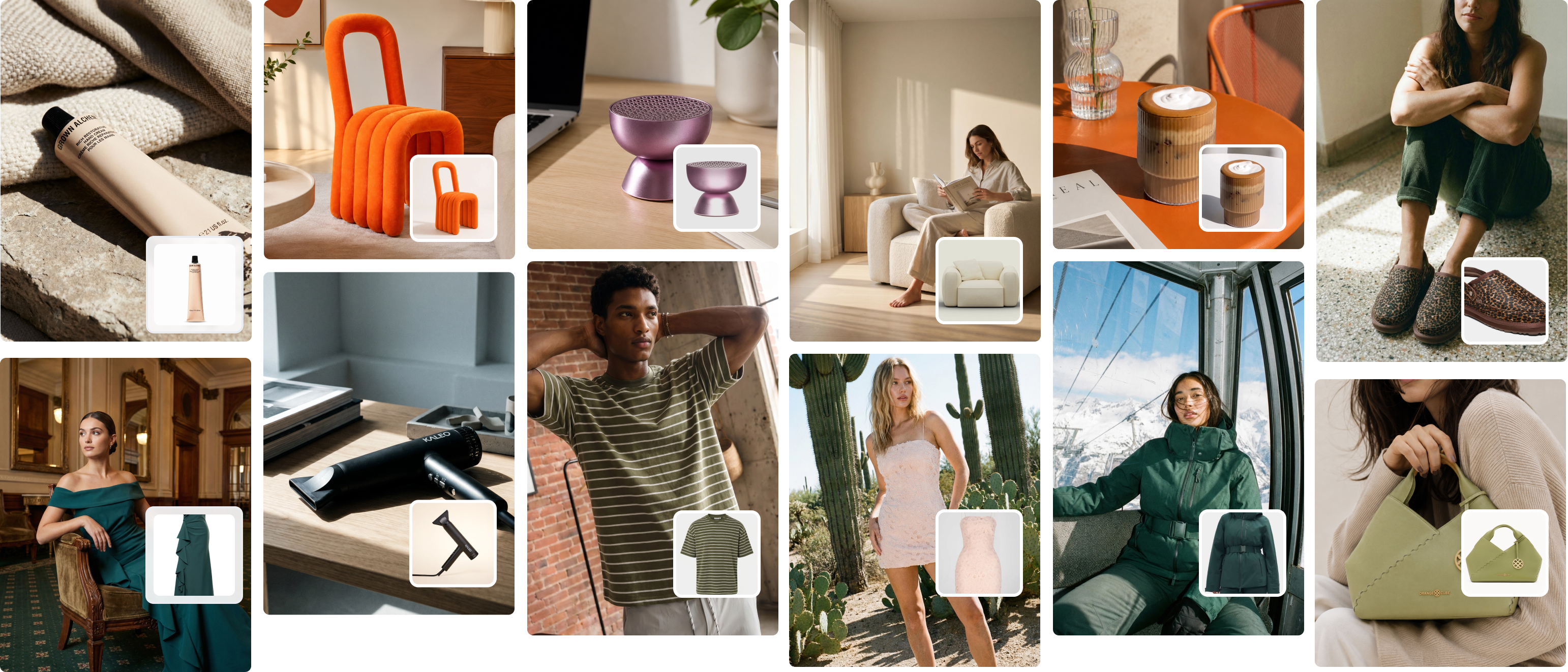
Virtual Model for Clothes: Generate On-Model Photos Without a Photoshoot
Generate professional on-model product images from flat lays and ghost mannequin photos with Picjam’s virtual model for clothes tool. No studio, no model booking, no wait.
What is a virtual model for clothes?
A virtual model for clothes is an AI tool that digitally places your garments onto a photorealistic human model — producing professional on-model product images from a flat lay, hanger photo, or ghost mannequin shot, without any physical photoshoot.
Until recently, getting your clothing on a model meant coordinating a full production: model, photographer, studio, stylist, location. A single shoot day in Australia runs $1,500–$3,000 in studio fees alone, before talent rates and post-production. For brands launching new collections frequently or managing catalogues with 50+ SKUs, that cost compounds fast.
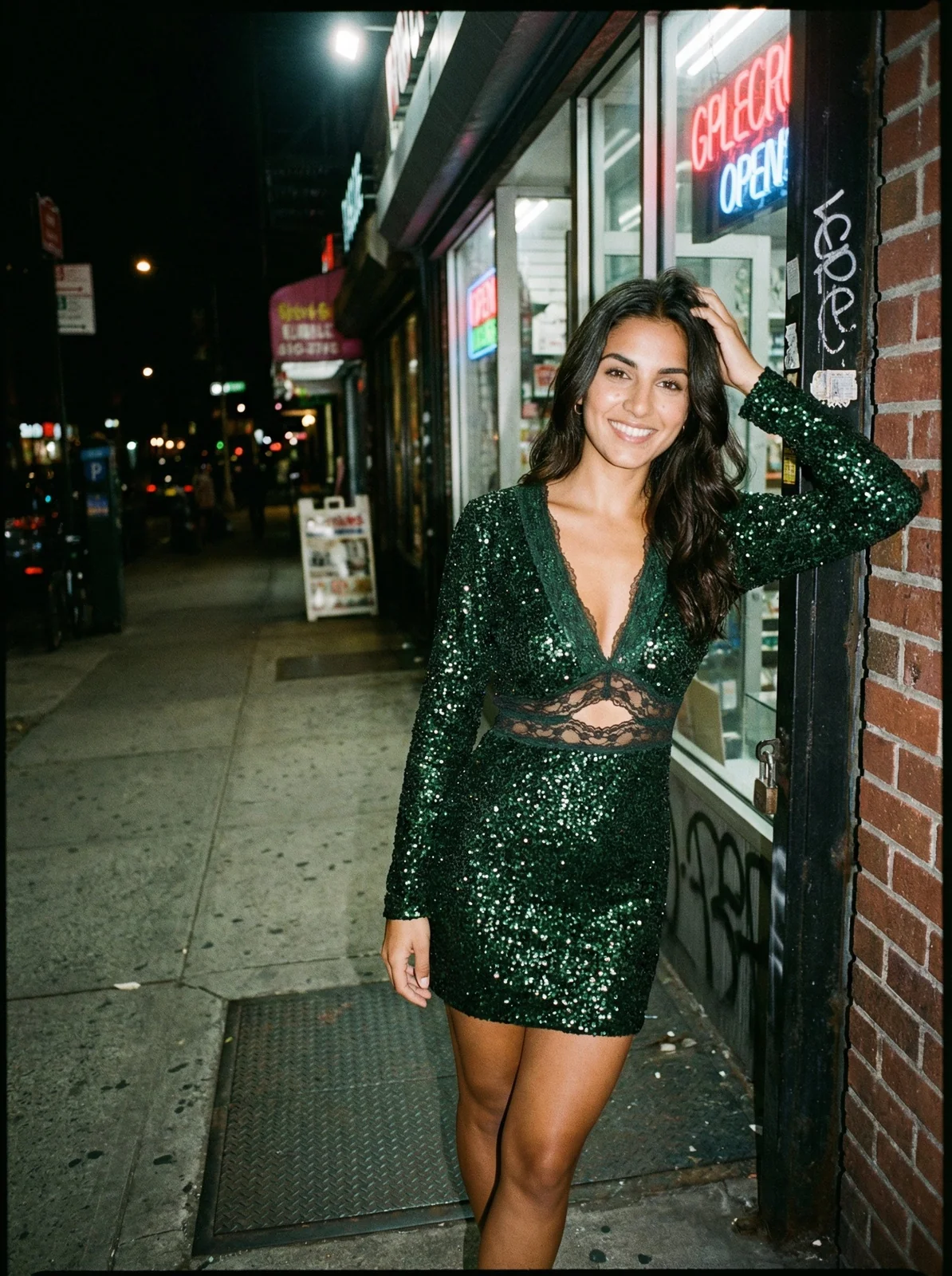
Virtual model AI removes those bottlenecks entirely. You upload your existing product photos and the AI renders the garment onto a realistic model in seconds. The output is indistinguishable from a standard studio shot: correct fabric draping, natural posture, accurate garment proportions.
As of 2026, over 1,200 fashion and apparel brands use Picjam for exactly this workflow. When we built Picjam, we saw the pattern repeatedly: brands had flat lays shot in-house, ghost mannequin images from manufacturers, hanger photos taken on a phone — but couldn’t justify putting every SKU through a model shoot. A virtual model for clothes is the bridge between the content you have and the content that converts.

How does a virtual model for clothes work?
- Upload your garment photo. Flat lays, ghost mannequins, and hanger shots all work. A plain or transparent background produces the cleanest output, but Picjam handles common input variations well.
- Select your model. Choose from a diverse library of AI-generated models — multiple skin tones, body types, and poses. Pick the look that matches your brand’s aesthetic and target customer.
- Generate, review, and export. Picjam renders the garment onto the model in seconds. Adjust the pose or model selection if needed, then export at full resolution. Images are ready for Shopify, Amazon, social media, or any ad platform — no additional editing required.
The full process — from upload to download — typically takes under five minutes per SKU.
Before and after: flat lay to on-model
[Placeholder: INSERT PICJAM BEFORE/AFTER DEMO IMAGE]
Take a flat-lay hoodie photo shot on a white background. The before: a serviceable product image, but flat and context-free. The after: the same hoodie on a realistic AI model — natural drape across the shoulders, correct fabric texture, hands in pockets. It’s the kind of image that makes a Shopify PDP feel like a proper brand, not a marketplace listing.
This transformation is especially powerful for garments where fit and drape drive the purchase decision: dresses, knitwear, outerwear, activewear.

What fashion brands use virtual models for
Scaling seasonal launches without the photography budget. One of our Shopify customers — a Sydney-based streetwear brand — was spending $4,000 per shoot day across two annual collections. After switching to Picjam, they now generate on-model images for every SKU in their collection (60+ products) in a single afternoon. Photography spend dropped by more than 80%.
Testing silhouettes before committing to a production run. Upload garment design mockups or early-run samples to see how a cut reads on a body before green-lighting a full order. It catches proportion issues before they become an expensive manufacturing mistake.
Multi-market content from a single library. Select models that match different audience demographics — essential for brands selling across Asia-Pacific, the US, and Europe from one content library. Diverse model representation without booking multiple talent sessions is a real operational advantage.
High-volume Shopify and Amazon catalogues. On-model images consistently outperform flat-lay-only listings. Brands report 25–40% increases in conversion rate after replacing flat-lay PDPs with on-model imagery. For a Shopify store doing $50,000/month in revenue, that’s a meaningful lift from content alone.
Learn how AI fashion model generators slash e-commerce costs across different brand types and catalogue sizes.
Virtual model for clothes vs traditional model photography
As of 2026, a single day of fashion model photography in Australia costs $1,500–$3,000 in studio fees alone — before model rates, photographer fees, styling, and post-production. A Picjam Studio subscription at $99/month covers unlimited generations across your entire catalogue. The comparison is stark.
| Traditional model photography | Picjam virtual model | |
|---|---|---|
| Cost per image | $150–$400 | ~$1–$3 |
| Turnaround time | 3–14 days | Under 5 minutes |
| Booking required | Yes — model, photographer, studio | No |
| Consistency across SKUs | Varies by shoot | Uniform across entire catalogue |
| Scalability | Limited by budget and scheduling | Entire catalogues in hours |
| Iteration speed | Reshoot requires a new booking | Regenerate in seconds |
For brands photographing new stock weekly or managing large seasonal catalogues, the math is decisive. See a full breakdown in our guide to product photography with models in 2026.

Picjam virtual model for clothes: pricing
| Plan | Price | Best for |
|---|---|---|
| Free trial | $0 | Testing on your first SKUs |
| Studio | $99/mo | Fashion brands managing their own catalogue |
| Enterprise | Book a demo | Large catalogues, agencies, and platform integrations |
See full plan details at Picjam pricing.
What fashion brands say
[Placeholder: INSERT 2–3 TESTIMONIALS FROM TRUSTPILOT/SHOPIFY REVIEWS]
Picjam holds a 4.3-star rating on Trustpilot across 114 reviews, and a 4.7-star rating on the Shopify App Store — with feedback consistently citing the time saved on content production and the quality of on-model output as standout advantages.
Frequently asked questions
What is a virtual model for clothes?
A virtual model for clothes is an AI-generated photorealistic human model that digitally wears your garment — produced from a flat-lay or mannequin photo without any physical fitting or photoshoot. The output is a ready-to-use product image for your store or ad campaigns.
Can I use a virtual clothing model for my Shopify store?
Yes. Images generated by Picjam export at full resolution and are compatible with Shopify, WooCommerce, Amazon, Etsy, and any other platform. They meet standard ecommerce image requirements with no additional editing needed.
What types of clothing work best with a virtual model tool?
Tops, hoodies, t-shirts, dresses, jackets, and full outfits produce excellent results. Most jersey, knit, and woven fabrics render with high accuracy. Garments with complex structure — heavily tailored suiting, for instance — benefit from higher-quality input photos for best output.
How does a virtual model compare to a ghost mannequin photo?
Ghost mannequin images show your garment’s shape but lack human context — they feel clinical on a product page and don’t convey how a garment actually looks when worn. Picjam can transform your existing ghost mannequin photos into on-model images, so your current content library is already a starting point. See how our ghost mannequin workflow compares to on-model generation.
Is there a free version of Picjam’s virtual model for clothes tool?
Yes. Picjam offers a free trial so you can generate your first images and evaluate output quality before committing to a paid plan.
Bottom line
If you’re a fashion brand relying on flat lays or ghost mannequin photos because model shoots are too expensive or too slow, Picjam’s virtual model for clothes tool is the fastest path to on-model imagery at scale. Upload what you already have and get professional on-model images in minutes — no studio, no casting, no waiting. With 1,200+ brands using the platform, a 4.3-star Trustpilot rating, and a 4.7-star Shopify App Store rating, the output quality is proven.
Try Picjam free — generate your first on-model image today →

Michael Pirone
Co-Founder