Most AI image tools generate blindly. Picjam scores what’s wrong or missing on each listing — angles, lifestyle, on-model, flat lay, video — then generates the assets that close the gap. Book a demo for score-then-generate visual merchandising.
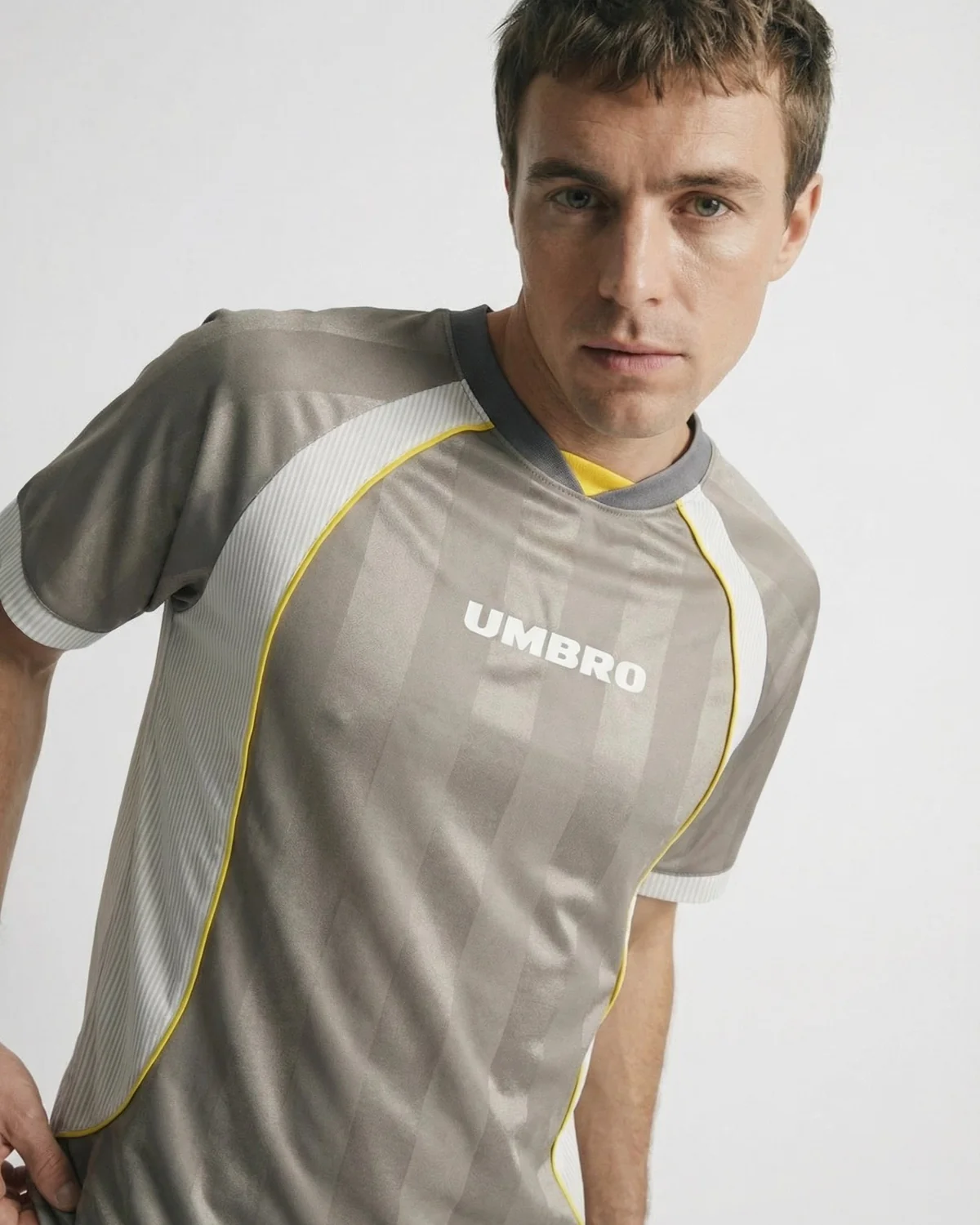

Score each listing against commercial imagery standards: missing angles, weak lifestyle coverage, no on-model, incomplete flat lays, or absent product video.
Start freeTurn the score into a clear production queue — generate only the assets that close merchandising gaps instead of flooding the catalogue with low-intent images.
Start free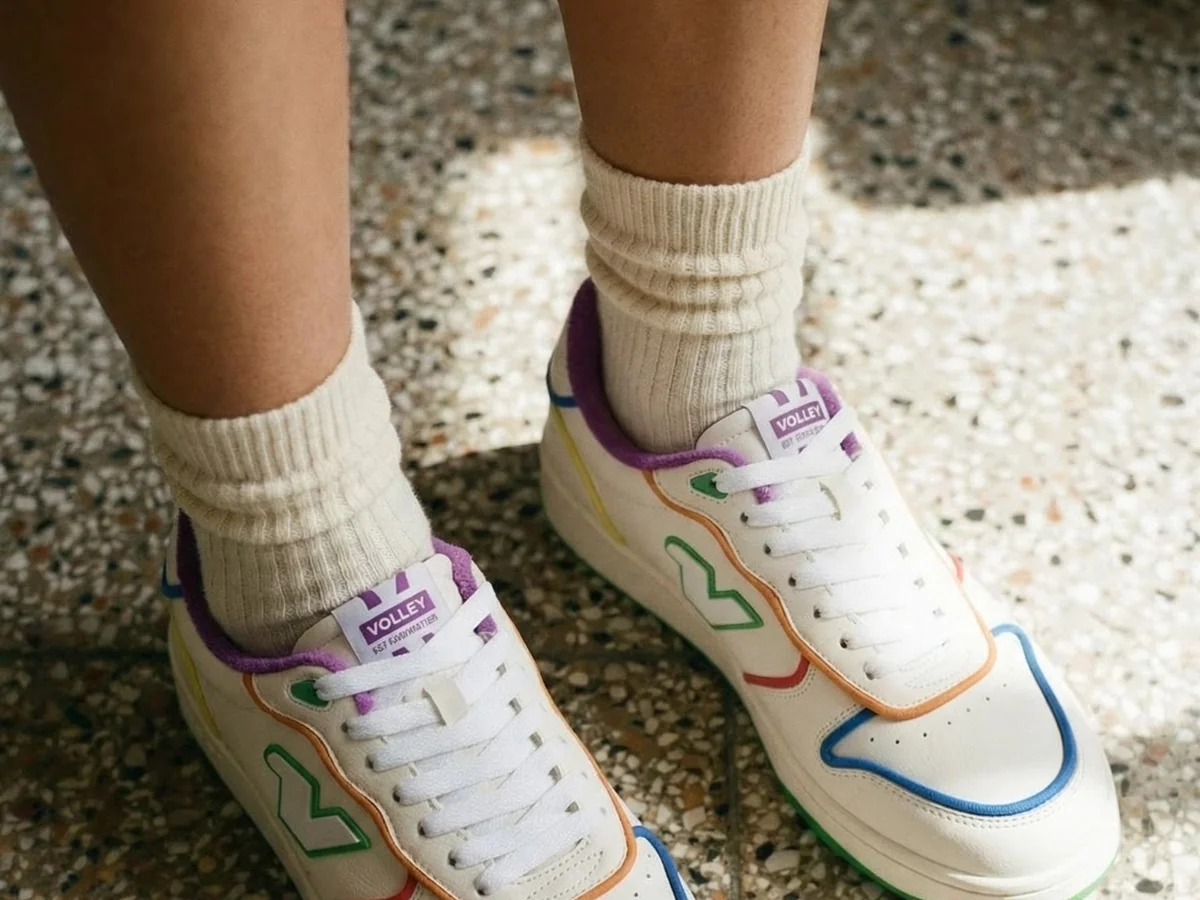
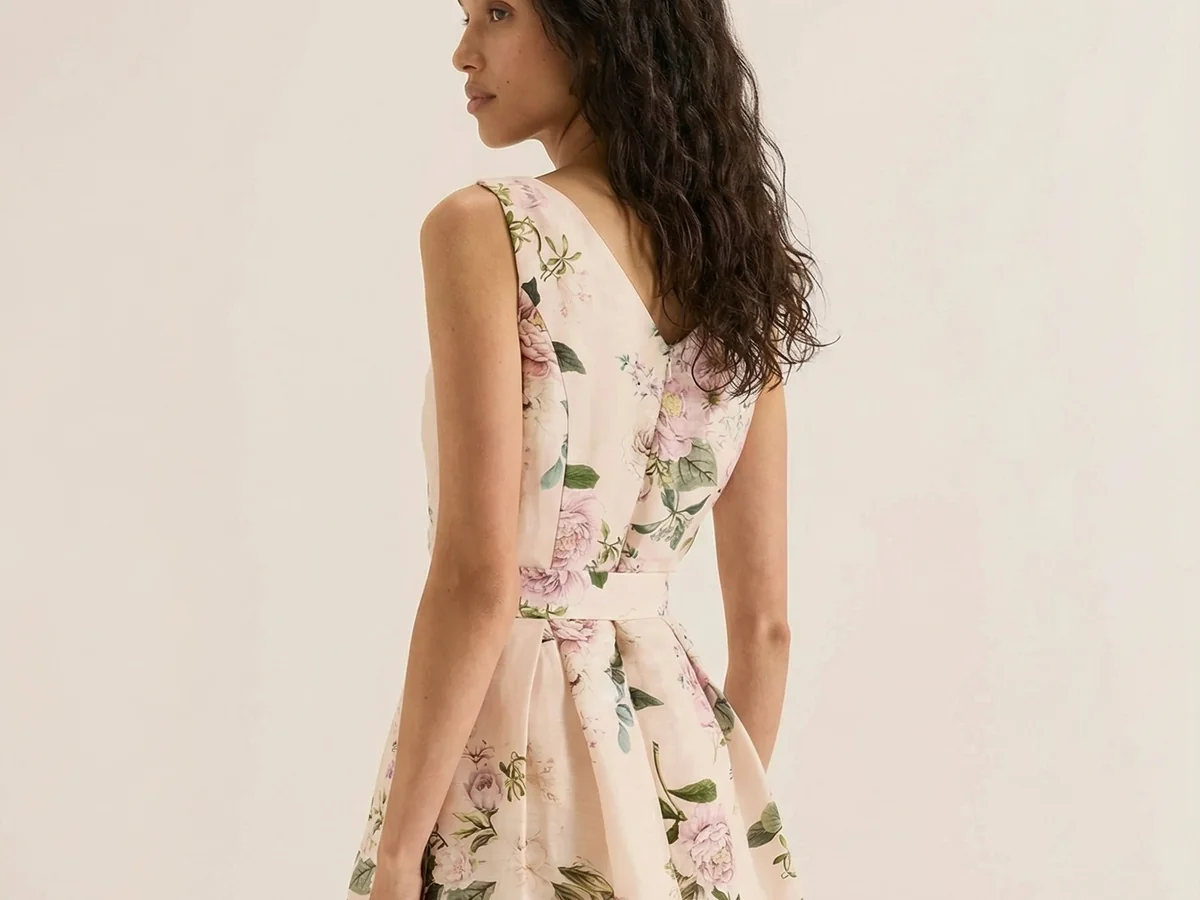
Route gaps into AI Virtual Model, ecommerce flat lays, product photography, or product video so score-then-generate stays one workflow.
Start freeOps and merchandising teams use listing image score to keep Shopify and marketplace catalogues complete at SKU scale — then book a demo to see it on their own listings.
Start free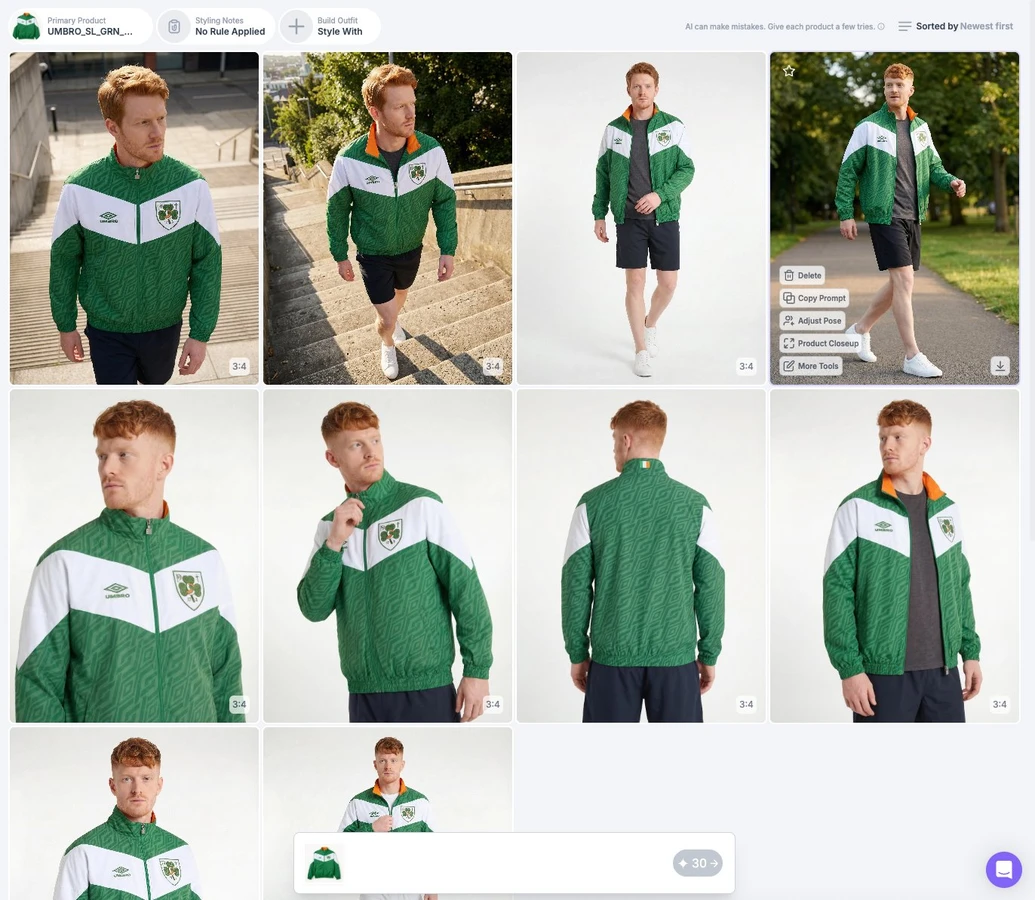
Catalogue and marketplace teams use Picjam’s listing image score to decide what to produce next — not to invent conversion percentages.
“Picjam has leveled the playing field between us and our bigger, more established competitors.”
Steven Walsh
Founder, Twelve Twenty Eight
Less wasted photography budget
Faster gap-to-asset cycles
Production cost per scored SKU, before vs after
Bring in product listing images from your catalogue or marketplaces. Picjam evaluates what each SKU already has — and what it is missing.
See which listings lack key angles, lifestyle, on-model, flat lay, or video. Prioritize the SKUs and shot types that matter most for catalogue and marketplace ops.
Push scored gaps into Product Photography, Flat Lay, Virtual Model, Ghost Mannequin, or Product Video — score first, then generate what the listing actually needs.
What does the listing image score measure?
Listing Image Score evaluates whether each product listing has the commercial imagery it needs — coverage across angles, lifestyle, on-model, flat lay, and video — so catalogue teams know what to produce next.
How does score-then-generate work?
Score each listing against commercial imagery standards, get a prioritized gap queue, then generate only the missing shot types — packshots, flat lays, on-model, lifestyle, or video — instead of regenerating everything.
Which gaps get flagged?
Typical flags include missing angles, lifestyle context, on-model coverage, flat lay, and product video. The score turns those gaps into a clear production queue for catalogue and marketplace teams.
Who is Listing Image Score for?
Catalogue, marketplace, and visual merchandising ops teams who manage large SKU counts on Shopify, Amazon, and other channels — anyone who needs to know which listings to fix before generating more imagery.
How does it connect to Virtual Model, Product Photography, and Video hubs?
The score is the front door. Flagged on-model gaps go to Virtual Model; packshot and lifestyle gaps to Product Photography; flat lay gaps to Flat Lay; motion gaps to Product Video — one audit feeding every generation hub.
Do we invent conversion percentages in the score?
No. Listing Image Score highlights commercial imagery coverage and gaps so teams can prioritize production. Use it with your own analytics — Picjam does not invent conversion lift claims in the score itself.
After you score listings, fill gaps with product photography, flat lays, video, ghost mannequin, and virtual model — score first, generate second.
Fill on-model gaps the score flags with AI Virtual Model imagery.
When scores flag messy mannequin shots, route those SKUs to ghost mannequin cleanup.
Fill packshot, on-model, and lifestyle gaps the listing image score prioritizes.
Generate ecommerce flat lays when the score shows catalogue flat-lay coverage is thin.
Add listing video where the score flags missing motion on PDPs and ads.
See score-then-generate visual merchandising on your catalogue with Picjam.
Clear busy backgrounds on SKUs the score marks as non-commercial.
Generate missing angles only for listings the score says are incomplete.
On-model gaps go to AI Virtual Model after scoring — keep try-on language off this hub.
Work the prioritized gap list across many SKUs instead of regenerating the whole catalogue.
Improve low-quality images the score marks before generating richer shot types.
Add lifestyle context only where the listing image score shows it is missing.
After scoring and generating, export crops that fit each marketplace’s image rules.
Send score-flagged flat-lay gaps to the ecommerce flat lay hub for catalogue production.
Keep BrandDNA active so generated fills match the catalogue the score audited.
Connect listing scores and generation queues into ecommerce ops systems.
Stop generating blindly. Score each listing, queue the missing shots, and generate with Picjam. Book a demo for score-then-generate visual merchandising.
